
Buying Guide: How to Choose Dashi Powder
Crafting authentic Japanese dishes like miso soup, ramen, or udon starts with one fundamental ingredient: dashi. This broth is the heart of the umami flavour that defines Japanese cuisine. While the traditional method of making it from katsuobushi (bonito flakes) and konbu (kelp) is time-consuming, dashi powder offers a convenient and flavour-packed alternative.
However, buying instant dashi can quickly lead to disappointment. Many products on the market don't deliver on their promise. As your Joybuy Product Recommendation Officer, I'll help you navigate the common pitfalls and make an informed choice that suits your cooking style.
The 3 Most Common Mistakes When Buying Dashi Powder
Before you choose a product, you should be aware of the common issues that can lead to a disappointing flavour experience.
- Misleading "Authenticity": Many powders marketed as "Japanese broth" are primarily based on salt and generic flavour enhancers rather than high-quality fish or kelp extract. The result is a flat, overly salty taste that lacks the complex depth of genuine dashi.
- Wrong Dashi Type: Not every dashi is suitable for every dish. A strong bonito-based katsuobushi powder can overpower the delicate flavour of steamed vegetables, while a mild konbu dashi can get lost in a hearty ramen broth. A lack of knowledge about the different base ingredients is a common source of error.
- Hidden Ingredients: A close look at the ingredients list is essential, especially for individuals with allergies or specific dietary needs. Some dashi products unexpectedly contain lactose (milk sugar) or other allergens. For vegetarians and vegans, it's often difficult to find a guaranteed fish-free umami seasoning.
What Really Matters: The Core Parameters for Good Dashi Powder
To make a great choice, focus on these three objective criteria. They will help you quickly assess a product's quality and suitability.
1. The Base Ingredient: Katsuobushi, Konbu, or a Blend?
The most important component, which defines the character of the dashi, is the main ingredient.
- Katsuobushi (Bonito): This powder is made from dried, smoked bonito tuna flakes. It delivers a strong, smoky, and deeply savoury umami. It's the classic miso soup base and is excellent for noodle soups (ramen, udon) and sauces served with meat or fish. Products like Hondashi are often bonito-based.
- Konbu (Kelp):Konbu dashi is derived from dried kelp and has a much milder, more subtle, and almost sweet umami profile. It is the go-to choice for vegetarian and vegan Japanese cuisine. Ideal for clear soups (suimono), cooking rice, or for dishes with delicate vegetables (nimono).
- Awase (Blend): Many high-quality products combine katsuobushi and konbu. This blend, known as awase dashi, offers a particularly balanced and complex flavour profile, uniting the smoky depth of the fish with the gentle elegance of the kelp.
2. The Role of Flavour Enhancers
Flavour enhancers like monosodium glutamate (MSG, E621) are present in many instant dashi products, including well-known brands like Ajinomoto Dashi. Their function is to intensify the umami taste.
A crucial quality indicator is its position on the ingredients list. In a high-quality product, bonito or konbu powder will be listed near the top, while salt and flavour enhancers play a supporting role. If salt and MSG are listed first, it's often to compensate for a weak base.
3. Pack Size and Concentration
Dashi powder is very concentrated. Smaller packs (e.g., 48 g) are ideal for those who only cook Japanese food occasionally or want to try a new variety. Larger bulk containers (e.g., 500 g) offer better value for money for home cooks and professionals who regularly prepare a Japanese broth. Pay attention to the manufacturer's dosage recommendations, as concentration can vary by brand.
Products for your priorities
Here are some recommendations tailored to different needs and cooking styles.
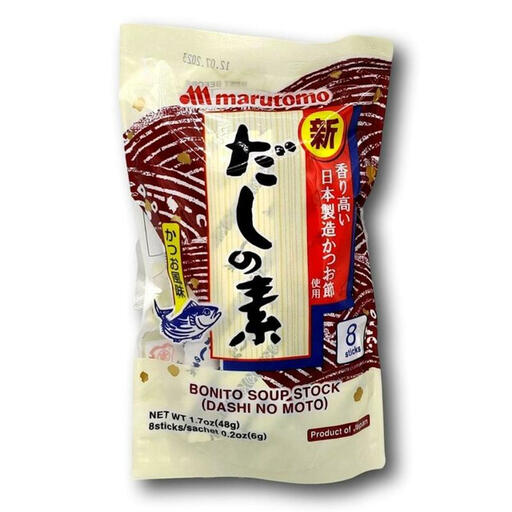
Marutomo katsuo dashi Bonito stock powder 48g
Why This Fits Their Persona: The small 48g pack is ideal for gaining initial experience with authentic dashi without a large investment. The classic bonito flavour is versatile and perfect for first attempts at making a genuine miso soup or a simple noodle broth.
You avoid the mistake of buying a large bulk pack of an unsuitable type. The clear labelling as "Katsuo Dashi" ensures you know exactly what flavour profile to expect.
Classic, smoky bonito flavour. Convenient and cost-effective trial size.
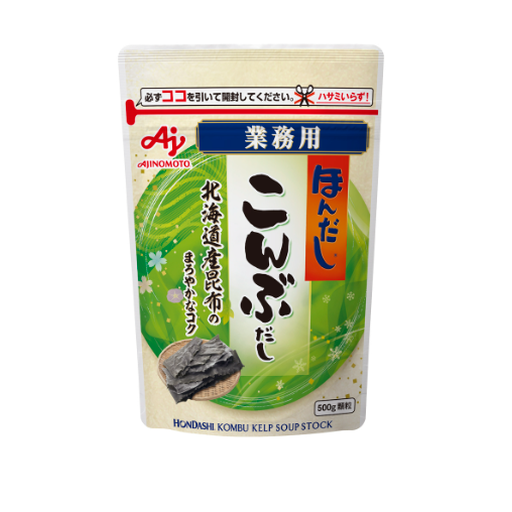
Ajinomoto hondashi konbudashi 500g
Why This Fits Their Persona: This product is specifically designed for plant-based cooking. It delivers pure, delicate umami from kelp and is the perfect base for vegetarian miso soups, clear broths, stews, and for seasoning vegetable dishes.
Solves the problem of accidentally buying a fish-based dashi. The product description explicitly confirms it is free from fish and shellfish ingredients, providing peace of mind for vegans and vegetarians.
Purely plant-based (konbu). Delivers a clean, mild umami. Large 500g bulk container.
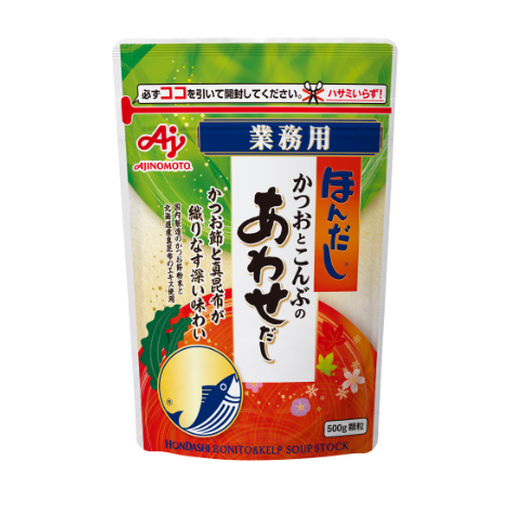
Ajinomoto HONDASHI Katsuo and Konbu 500g
Why This Fits Their Persona: For anyone looking for a versatile and balanced dashi for regular use. This "awase dashi" blend combines the strengths of bonito and konbu, making it a true kitchen workhorse suitable for almost any Japanese dish.
You don't have to choose between bonito and konbu. This product offers a professional blend that avoids one-dimensional flavour profiles and ensures a complex, well-rounded umami note.
Balanced blend of katsuobushi and konbu. Highly versatile. The 500g container is economical.
Looking for more options?
We have compiled a complete, up-to-date list of products that fully meet these strict selection criteria.
Frequently Asked Questions (FAQ)
How long does dashi powder last after opening?
Dashi powder is hygroscopic, meaning it absorbs moisture from the air. After opening, it should always be stored in a tightly sealed container in a cool, dry place. Although it doesn't spoil in the traditional sense, it can clump and lose its aroma over time. Generally, it maintains its quality for 6 to 12 months with proper storage. Always check the best-before date on the packaging.
Can you eat dashi powder directly?
No, dashi powder is a high concentrate and not intended for direct consumption. It must be dissolved in hot water to create a broth. The high salt and flavour content makes it unpalatable and too intense on its own.
How much dashi powder do I need for miso soup?
A common rule of thumb is about one teaspoon (approx. 4–5 grams) of dashi powder per 600–800 ml of water. However, the exact amount can vary depending on the brand and desired flavour intensity. It's advisable to start with a smaller amount, taste the broth, and then add more powder if needed.