
Shiro Dashi Buyer's Guide: How to Choose the Right Japanese Broth
Choosing the right seasoning can make or break a Japanese dish. This is especially true for Shiro Dashi, a light-colored soup base, where common pitfalls often lead to disappointing results. Many home cooks grab the wrong product and then wonder why their soup turns cloudy or the flavor isn't authentic. This guide will help you identify the key features to look for and make an informed choice.
The 2 Most Common Mistakes When Buying Dashi Products
Before you buy a Japanese broth, you should be aware of two common misconceptions that often lead to kitchen disappointments.
- Confusing Shiro Dashi with Dark Tsuyu: The most frequent mistake is assuming that all dashi-based sauces are the same. Standard tsuyu or mentsuyu is made with dark soy sauce (koikuchi shoyu) and will stain dishes like savory egg custards (chawanmushi) or light soups an unappealing brownish color. In contrast, Shiro Dashi (white dashi) uses light soy sauce (usukuchi shoyu) or salt to preserve the natural color of the ingredients.
- Underestimating the Concentration: A dashi concentrate is not ready-to-use. Many products on the market have vastly different concentrations. If you ignore the dilution instructions, you'll end up with either a watery, flavorless broth or an oversalted, inedible sauce. The format—liquid or powder—also plays a crucial role in dosage and flavor development.
What Really Matters in Your Selection: 3 Key Parameters
To find the right product, don't be swayed by marketing promises. Instead, focus on objective criteria. These three parameters are decisive for your final dish.
1. The Base: Color and Saltiness
The foundation of a dashi concentrate determines its primary use case.
- Light Base (Shiro Dashi): Made from light soy sauce, salt, and often mirin. This composition creates a clear, golden color and a delicate yet salty flavor. Ideal for dishes where appearance matters, such as clear soups, dashi for udon, or steamed foods.
- Dark Base (Tsuyu/Mentsuyu): Based on dark soy sauce. This imparts a rich, dark color and a more intense, sweet-and-salty aroma. Perfect for soba noodle sauces, simmered dishes (nimono), or as a dipping sauce.
2. The Format: Liquid Concentrate vs. Powder
The format affects both the flavor and the user experience.
- Liquid Dashi Concentrate: Often offers a more complex and well-rounded flavor profile, as the aromas of the ingredients (fish, seaweed) are already dissolved in the liquid. It mixes easily and homogeneously with water. However, its shelf life is limited after opening.
- Dashi Powder (Dashi no Moto): Has an extremely long shelf life and is easy to store. It dissolves in hot water to create a quick base. Some powders can have a flavor that is perceived as less deep, and they often contain a higher proportion of flavor enhancers.
3. The Umami Source: The Heart of the Flavor
The characteristic umami flavor of dashi comes from a combination of specific ingredients. A look at the ingredient list reveals the flavor profile you can expect.
- Katsuobushi (Bonito Flakes): Dried, smoked tuna. Delivers a smoky, deep, and fishy aroma. It is the most common base for dashi.
- Kombu (Kelp): A type of seaweed that contributes a subtle, mild, and purely plant-based umami.
- Shiitake Mushrooms: Dried shiitake mushrooms add an earthy, intense umami note.
- Niboshi (Dried Sardines): Impart a strong, very fishy flavor that is prized in certain regional broths.
A liquid umami seasoning that combines several of these sources (e.g., bonito and kombu) typically offers a more balanced and multi-layered flavor.
Recommended Products for Every Use
Here are some recommendations tailored to different needs and cooking styles.
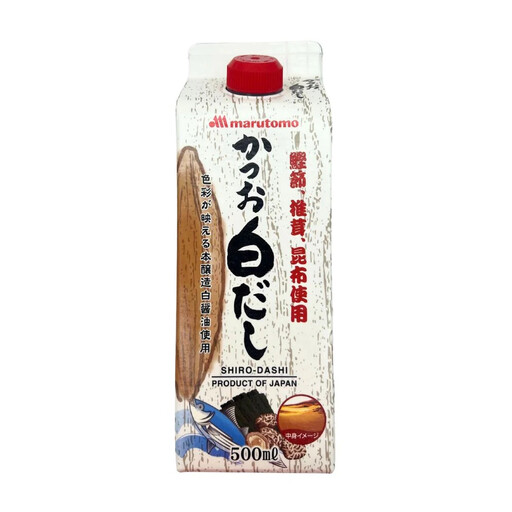
Marutomo EU White Dashi 500ml
Why This Fits Their Persona: Ideal for cooks who value a clear, light appearance. Perfect for udon broths, light sauces, or egg dishes where preserving the ingredients' natural color is key.
This product is a classic white dashi. It prevents the brownish discoloration caused by dark soy sauce-based broths (tsuyu).
Combines three umami sources (bonito, kombu, shiitake) for a deep, multi-layered flavor without affecting color. EU-HACCP certified production.
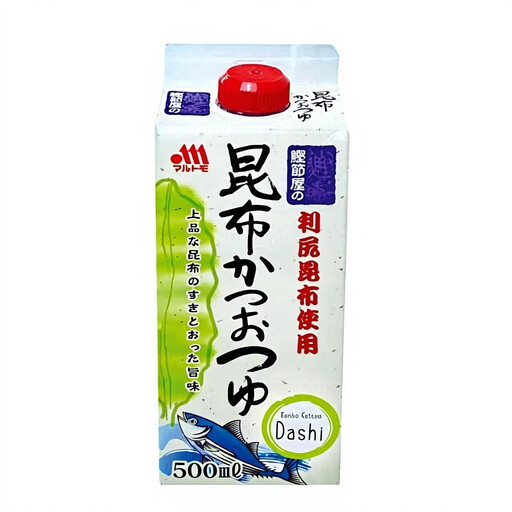
Marutomo konbu katsuo tsuyu Kelp Bonito Stock 500ml
Why This Fits Their Persona: For cooks seeking a versatile seasoning base for a wide range of dishes, from noodle soups to dips and marinades, where a darker color and robust flavor are desired.
This is a classic tsuyu based on dark soy sauce. It's the right choice when you specifically want an intense flavor and a dark color.
A balanced combination of bonito and kombu for a well-rounded umami profile. Highly versatile as a soup base, dipping sauce, or seasoning.
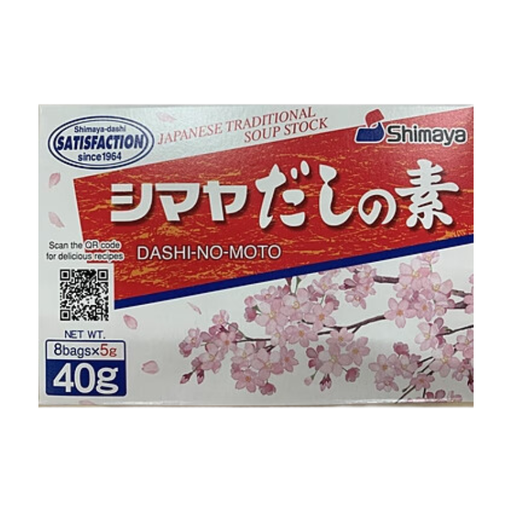
SHIMAYA Dashi No Moto Japanese Traditional Soup Stock (5g*8pcs) 40g
Why This Fits Their Persona: For anyone looking for a quick, straightforward, and long-lasting solution to add an authentic umami note to dishes without having to fuss with dilution ratios.
The granules bypass the complexity of liquid concentrates. Dosing is simple, and the risk of incorrect dilution is minimal.
Extremely long shelf life and easy storage. The pre-portioned sachets ensure consistent flavor intensity and simple handling.
Looking for More Options?
We have compiled a complete, up-to-date list of products that fully meet these strict selection criteria and local regulations.
Frequently Asked Questions (FAQ)
What is the difference between Shiro Dashi and regular dashi (Tsuyu)?
The main difference lies in the soy sauce used. Shiro Dashi is made with light soy sauce (usukuchi shoyu), resulting in a clear, light-golden broth. It's ideal for dishes where you want to preserve the ingredients' color. Regular tsuyu or mentsuyu is based on dark soy sauce (koikuchi shoyu), which gives it a dark color and a more robust, often sweeter, flavor.
How long does Shiro Dashi concentrate last after opening?
A liquid dashi concentrate should always be stored in the refrigerator after opening. The exact shelf life can vary by manufacturer, but as a general rule, it's best to use the product within 4 to 8 weeks to ensure full flavor. Always check the instructions on the product label.
Can you use Shiro Dashi for udon soup?
Yes, Shiro Dashi is an excellent choice for a classic, clear dashi for udon soup broth, like the style popular in Japan's Kansai region. It provides a delicate umami flavor without darkening the broth, allowing the noodles and toppings to stand out visually. Simply dilute the concentrate with hot water according to the bottle's instructions.