
Japanese Soup Base: Recommendations for Authentic Flavour
Preparing authentic Japanese dishes like ramen, sukiyaki, or a warming hot pot (nabe) starts with the most crucial component: the broth. A high-quality Japanese soup base is the foundation that elevates a dish from good to unforgettable. However, the market is flooded with products whose labels often overpromise and underdeliver. Many home cooks invest in a base, only to be disappointed by a flat, overly salty, or simply unsuitable flavour profile.
This guide will help you navigate the common pitfalls and find the right Japanese broth for your culinary project. We focus on the key characteristics that define a superior soup base, enabling you to make an informed choice.
The 3 Most Common Mistakes When Buying Japanese Soup Base
Before you make a decision, you should be aware of the typical issues that can lead to a disappointing cooking experience.
- The "One-Size-Fits-All" Fallacy: Many products are marketed as a universal "Japanese broth." In reality, every dish requires a specific flavour profile. A sweet Sukiyaki So?e is not suitable for a savoury Ramen Suppenbasis, and a light Oden Suppenbasis lacks the depth of a rich Tonkotsu Brühe. Choosing an inappropriate base is the most common reason for an inauthentic result.
- Hidden Fillers Instead of Umami Depth: A glance at the ingredients list often reveals products that consist primarily of salt, sugar, and flavour enhancers. True, deep umami flavour comes from high-quality ingredients like bonito flakes (katsuobushi), kombu seaweed, or shiitake mushrooms. A good base should feature these components high on the ingredients list, rather than using them as a mere token ingredient.
- Unclear Product Format: The difference between a Dashi Pulver, a liquid concentrate, and a ready-to-use Nabe Brühe is critical. Someone wanting to quickly prepare a hot pot who accidentally grabs a highly concentrated seasoning will be faced with an inedibly intense result. The product's format must match the intended effort and dish.
What Really Matters: The Core Characteristics of a Good Soup Base
To avoid these mistakes, focus on three objective criteria. These will help you factually assess the quality and suitability of a Japanese soup base.
1. The Type of Dashi Foundation
Dashi is the fundamental broth of Japanese cuisine and the soul of every soup base. The type of dashi determines the primary flavour profile.
- Katsuo Dashi: Made from dried, smoked bonito flakes. It provides a smoky, deep, and savoury umami seasoning and is the classic foundation for miso soup and many noodle dishes.
- Kombu Dashi: A purely plant-based broth made from dried seaweed (kombu). It has a more subtle, milder umami flavour and is often used for clear soups or as a base for vegetarian dishes.
- Awase Dashi: A combination of katsuo and kombu that creates a balanced, complex, and versatile flavour profile.
- Specialty Broths: For dishes like ramen, there are special foundations like Tonkotsu Brühe, which gets its milky, creamy texture and intense flavour from simmering pork bones for long hours.
2. The Product Format: Powder, Concentrate, or Ready-to-Use Broth
The format determines its handling and versatility.
- Powder and Granules (e.g., Dashi Pulver): This format has a long shelf life, is easy to store, and offers flexible dosing. It's excellent as an all-purpose Japanese seasoning for soups, sauces, and finishing vegetables.
- Liquid Concentrate (e.g., Shiro Dashi, Ramen Suppenbasis): These bases offer an intense, pre-balanced flavour. They simply need to be diluted with water. Shiro Dashi (white dashi) is ideal for dishes where the light colour of the ingredients should be preserved.
- Ready-to-Use Broth (e.g., Hot Pot Base): The most convenient solution. These broths are already seasoned and just need to be heated. Perfect for beginners or when you're short on time, especially for Nabe Brühe.
3. The Specific Use Case
Check if the product is designed for a specific dish. A Sukiyaki So?e already contains the necessary sweetness from sugar and mirin. An Oden Suppenbasis is intentionally light and salty to absorb the flavours of the ingredients cooked in it. A Ramen Suppenbasis is often more complex, containing fats and other aromatics to create a rich noodle soup.
Soup Bases for Every Need
Here are some recommendations tailored to different needs and cooking projects.
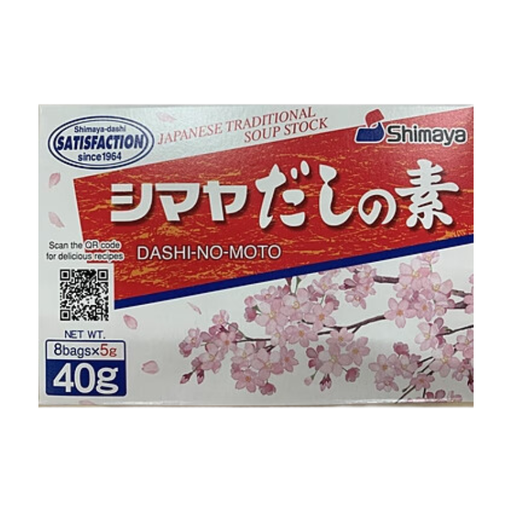
SHIMAYA Dashi No Moto Japanese Traditional Soup Stock (5g*8pcs) 40g
Why This Fits Their Persona: Ideal for anyone seeking a reliable and versatile foundation for Japanese cuisine. The convenient single-serving packets make dosing easy and prevent waste.
This product is a straightforward Katsuo Dashi powder. It doesn't pretend to be a complex ramen broth but reliably delivers the expected savoury, fish-based umami flavour. It bypasses the "one-size-fits-all" fallacy with its clear positioning as a foundational seasoning.
Long shelf life and easy, portioned application. Versatile for miso soup, broths, or as a general seasoning.
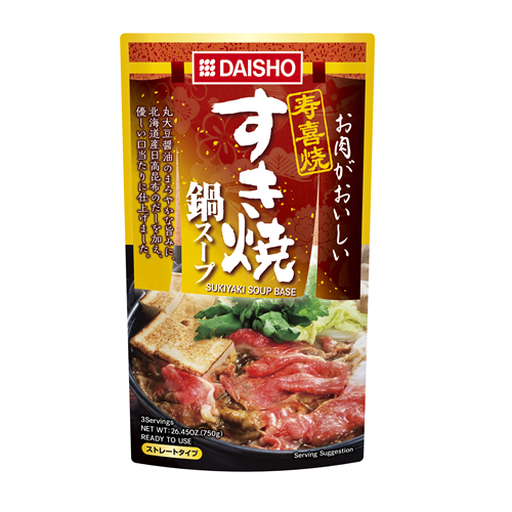
DAISHO Sukiyaki Hot Pot Soup Base 750g
Why This Fits Their Persona: Perfect for social gatherings where an authentic sukiyaki hot pot is the centrepiece, without the elaborate prep work. The ready-to-use broth ensures a hassle-free cooking experience.
This product is clearly labelled as a Sukiyaki So?e and delivers the expected sweet-and-savoury profile. It avoids the unclear format trap by being a ready-to-use Nabe Brühe that requires no further dilution or seasoning.
Authentic flavour profile without having to mix your own soy sauce, sugar, and mirin. The 750g pack is ideal for 3-4 people.
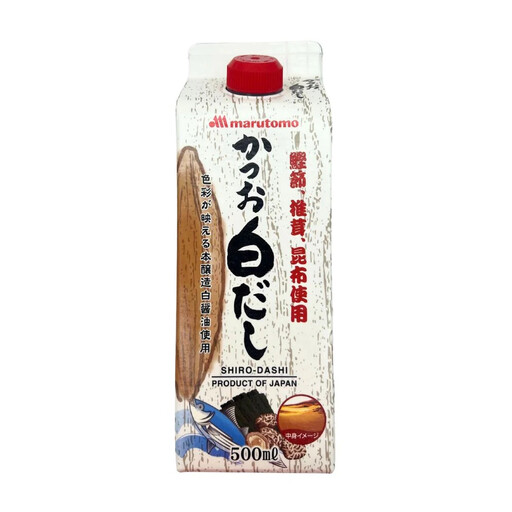
Marutomo EU White Dashi 500ml
Why This Fits Their Persona: For chefs who value finesse and the visual presentation of their dishes. This concentrate provides deep flavour without altering the colour of egg dishes, light vegetables, or clear soups.
This Shiro Dashi avoids the filler trap. Its complex umami flavour comes from a blend of bonito, kombu, and shiitake. The light colour is a functional feature, not a flaw, and demonstrates the product's specialisation.
Preserves the natural colour of ingredients while delivering a deep, layered umami. As a concentrate, it is very economical and versatile.
Looking for More Options?
We've compiled a complete, up-to-date list of products that meet these strict selection criteria and quality standards.
Frequently Asked Questions (FAQ)
1. How long does a Japanese soup base last after opening? The shelf life varies by format. Dashi Pulver and granules can last for several months when stored in a cool, dry place. Liquid concentrates and ready-to-use broths should be refrigerated after opening and consumed within a few days to a few weeks. Always check the manufacturer's instructions on the packaging.
2. Can I use a sukiyaki sauce for ramen? This is not recommended. A Sukiyaki So?e is designed with a sweet-and-savoury flavour profile for braised dishes. In contrast, a Ramen Suppenbasis is often more complex and tailored for combination with noodles and toppings, whether it's based on miso, soy sauce, or Tonkotsu Brühe. Using the wrong base will result in a flavour mismatch.
3. What does "umami" mean in a Japanese broth? Umami is the fifth basic taste, alongside sweet, sour, salty, and bitter. It is often described as savoury, meaty, or "full-bodied." In a high-quality Japanese broth, this taste is created by natural ingredients like kombu seaweed (glutamate), bonito flakes (inosinate), and shiitake mushrooms (guanylate). A good umami seasoning gives the soup a depth of flavour that goes far beyond simple saltiness.