
Buying an Asian Soup Base: Flavours, Ingredients and Buying Criteria Compared
An Asian soup base can make preparing ramen, pho, kimchi soup or hot pot much easier. Instead of balancing stock, spices and aromatic ingredients individually, you simply mix a concentrated paste, powder or portion tablet with water. However, products differ considerably in seasoning strength, ingredients, allergens, serving size and storage requirements.
If you focus only on terms such as “authentic”, “premium” or “restaurant-style flavour”, you can easily overlook important details. For households in Germany, three typical purchasing issues are particularly relevant.
Common pitfalls when buying an Asian soup base
1. Concentrate is mistaken for ready-made stock
A paste or seasoning mix is usually not intended to be consumed directly. It needs to be diluted with water and, depending on the product, cooked. The recommended mixing ratios vary considerably between packs: Daisho Crab Miso Base, for example, recommends one part paste to five parts water. Lee Kum Kee Tom Yum Base is intended for around 1.5 to 2 litres of water.
Using the base undiluted does not automatically give you more flavour. Instead, it produces a considerably saltier, more concentrated liquid. Before buying, make sure the preparation instructions suit the size of the saucepan or pot you plan to use.
2. Ingredients and allergens are checked too late
An Asian stock may contain fish, crustaceans, soya, wheat or sesame. This can also apply when the flavour suggests vegetables, miso or chilli. According to the product information, Marutomo’s Japanese dashi stock contains fish and bonito. FATHAI’s Korean kimchi soup base contains, among other ingredients, fish and soya. Lee Kum Kee’s Tom Yum Base lists wheat, soya and sesame as allergens.
For households with intolerances or specific dietary requirements, the full ingredients and allergen list is therefore more important than the product name.
3. Small packs are not automatically cheaper
Portion sachets and tablets are convenient, but frequent use can result in a higher price per litre. Large packs such as Daisho’s 750 g hot pot base are better suited to several meals or regular use. By contrast, a 36 g pack of dashi powder or a 90 g pack of stock tablets takes up little space and allows for measured portions.
So do not compare only the pack price. Also consider the amount of stock the product can make and how long it will keep after opening.
The key selection criteria at a glance
A flavour profile to suit your dish
- Japanese dashi stock: usually fishy, kelp-based or umami-led; suitable for miso soup, udon and clear broths.
- Miso paste and doenjang base: soya-based, fermented seasoning for soups, stews and noodle dishes.
- Thai Tom Yum soup base: typically sour, spicy and aromatic, with lemongrass or galangal.
- Kimchi soup base: piquant, sour and savoury; pairs well with tofu, vegetables, meat and noodles.
- Pho soup paste: aromatic combinations featuring star anise, cinnamon, coriander and other spices.
- Hot pot base: designed for larger pots and often combined with seafood, meat, tofu and vegetables.
A neutral stock is more versatile, while a strongly flavoured paste will define the overall taste of the dish more firmly.
Format and dosage
Powder can usually be portioned precisely and stored dry. Tablets are pre-portioned and practical for individual bowls. Concentrated pastes can provide robust seasoning, but often need to be stored in a cool place after opening. Liquid concentrates are quick to use, but should be consumed promptly after preparation.
Check whether the entire pack is intended for one pot or whether the quantity should be adjusted to taste.
Salt content, additives and nutritional values
Soup bases often contain salt, sugar and flavour enhancers. The stated values can vary significantly. According to the product data, Beksul Dasida Beef Flavor contains 55 g of salt per 100 g, for example, while Lee Kum Kee Tom Yum contains 95 g of salt per 100 g. These figures refer to the concentrate, not the fully diluted stock. Even so, they are useful when comparing products and adjusting quantities.
You should also check whether the product contains fish, meat, crustaceans or animal fats. Do not assume that a product is “vegetarian” or “vegan” unless this is clearly stated on the packaging.
Our selection by user profile
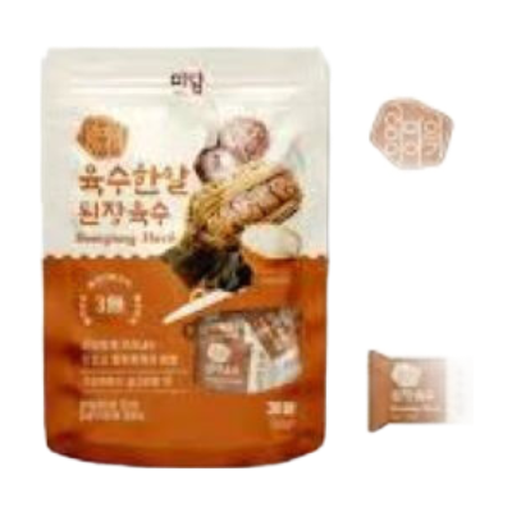
Midam Soybean Paste Broth Tablets 90g
Why this product suits this profile: The pre-portioned tablets take up little storage space and dissolve in hot water for soups, jjigae or noodles.
The portioned format reduces the risk of over-seasoning and makes it easier to gauge the required quantity.
90 g pack; ingredients include soya beans, wheat, garlic, kelp and leek according to the product information.
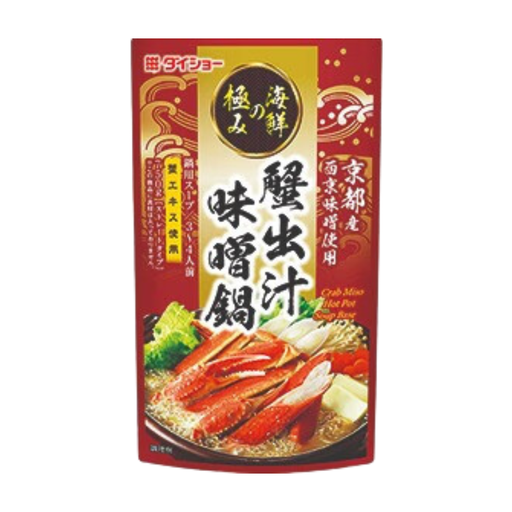
Daisho Seasoning Paste for Crab Miso Hotpot 750g
Why this product suits this profile: According to the product description, this Japanese paste combines crab extract and miso and is designed for larger quantities of hot pot.
The stated 1:5 mixing ratio makes dilution more predictable than with products that provide no clear dosage recommendation.
750 g contents; designed for seafood, vegetables, tofu and noodles; contains soya and crustaceans.
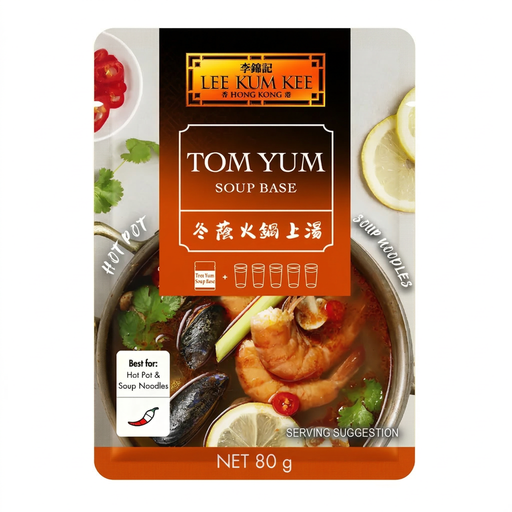
Lee Kum Kee Tom Yum Soup Base, Thai Flavor, 80g
Why this product suits this profile: The concentrate can be used for hot pot, soups, noodles and certain wok dishes.
The stated water quantity of 1.5 to 2 litres helps prevent the intensely seasoned concentrate from being used undiluted.
Thai flavour profile with lemongrass, galangal and lime; contains wheat, soya and sesame.
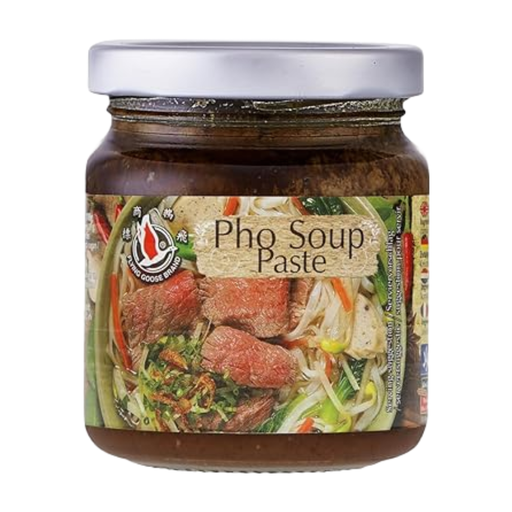
Flying Goose Vietnamese Pho Soup Paste 195 g
Why this product suits this profile: This paste is designed for pho dishes and contains spices such as coriander seeds, star anise, cinnamon, cloves and cardamom.
The preparation instructions expressly state that it must be dissolved in boiling water and consumed after preparation.
195 g contents; according to the product information, store in the fridge after opening and use within four weeks; contains soya and wheat.
Looking for more options?
We have put together a complete, regularly updated list of products that fully meet these strict selection criteria and the safety regulations applicable in the EU.
Plan preparation and storage properly
For a consistent Asian broth, start by adding the recommended amount of water to the pot and fully dissolving the powder, tablet or paste. Only then add vegetables, tofu, noodles, meat or seafood. With hot pot products, the broth is usually kept heating at the table.
Many pastes and liquid concentrates should be refrigerated after opening. Use clean utensils, seal the packaging securely and observe the best-before date. The information on the relevant packaging is decisive, as shelf life and storage conditions vary.
FAQ about Asian soup bases
Which Asian soup base is suitable for ramen or noodles?
For Japanese noodle soups, dashi powder, miso paste or kombu stock are suitable. For Vietnamese noodles, a pho soup paste with spices such as star anise and cinnamon is an obvious choice. Check the desired flavour and allergen list before buying.
How much Asian soup base do I need per serving?
This depends on the concentration. Some products are used in individual portions, while others are diluted with water according to a fixed ratio. Follow the instructions on the pack and adjust the seasoning only after dissolving the base. This makes it easier to avoid an excessively high salt content.
How long does a soup base keep after opening?
Dry powders and tablets can usually be used for longer when stored in a dry, well-sealed container. Pastes and liquid concentrates often need refrigeration and should be used within the stated period. The packaging, best-before date and any changes in smell or consistency are always decisive.