
Japanese Soup Base: Recommendations for Confident Buying
Preparing authentic Japanese dishes at home, like a steaming hot pot or a rich ramen soup, starts with the right foundation. A high-quality Japanese soup base can be the difference between a successful dish and a disappointment. However, the market offers an overwhelming selection, and many products don't live up to their promises. As your Joybuy Product Recommendation Officer, I'll help you identify the common pitfalls and make an informed choice.
The Most Common Pitfalls When Buying Japanese Broth
Before you buy Japanese broth, you should be aware of the common issues that can lead to unsatisfying cooking results.
- The "Authenticity" Trap: Many products advertised as "authentic" consist mainly of soy sauce, salt, and flavour enhancers. They lack the complex umami depth that only comes from traditional ingredients like bonito flakes (Katsuobushi) or kombu seaweed. The result is often a one-dimensional, salty broth with no character.
- The Dilution Dilemma: Unclear or missing dilution instructions are a frequent annoyance. An incorrectly diluted base leads to either a watery, flavourless soup or an overly concentrated, inedible broth. A precise ratio (e.g., 1:10) is a mark of quality.
- The "One-Size-Fits-All" Illusion: A soup base that claims to be suitable for all Japanese dishes is rarely a good choice. A sweet sukiyaki sauce is not suitable for a savoury ramen broth, and a robust tonkotsu base would overpower the delicate flavour of a light oden soup.
What to Look For: Key Selection Criteria
To avoid a bad purchase, focus on three crucial features that define the quality and intended use of a Japanese soup base.
1. The Foundation of Flavour: The Dashi Type
Dashi is the cornerstone of Japanese cuisine. The type of dashi used significantly determines the soup base's flavour profile.
- Bonito (Katsuobushi): Flakes of smoked and dried tuna provide a smoky, deep umami. This is the most common ingredient in classic dashi powder.
- Kombu (Seaweed): Provides a milder, almost sweet umami and is often combined with bonito to increase complexity.
- Shiitake Mushrooms: Lend the broth an earthy, intense aroma and are a popular foundation for vegetarian dashi varieties.
- Tonkotsu (Pork Bones): Long simmering of pork bones creates a milky, very rich, and creamy broth, known as a tonkotsu base for ramen.
2. Form and Concentration: Powder vs. Liquid Concentrate
The form affects handling and storage.
- Dashi Powder: A dry granulate that is dissolved in water. It has a long shelf life, is easy to portion, and is ideal for making a simple base broth or for seasoning dishes.
- Liquid Soup Base: These are often highly concentrated, pre-seasoned mixtures that, in addition to dashi, also contain soy sauce, mirin, or sake. A special case is Shiro Dashi, a light-coloured broth that enhances the flavour of dishes without altering their colour—ideal for egg dishes or light soups.
3. The Specific Application
Check which dish the base is designed for. A specialised hot pot soup base is designed to retain its aroma even after long simmering with many ingredients, while a ramen broth has its own complex seasoning for noodles and toppings.
Recommended Picks for Every User
Here are some recommendations tailored to different needs and cooking habits.
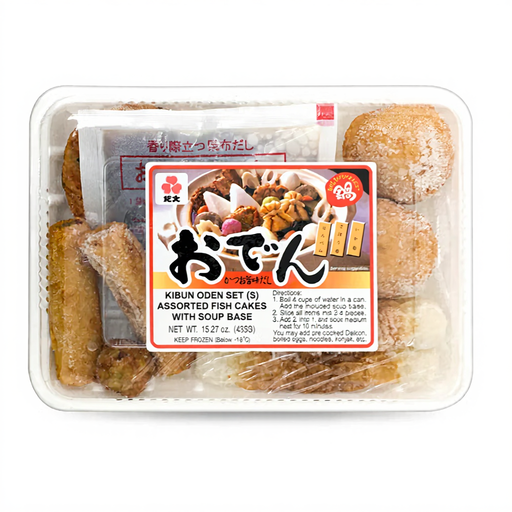
Kibun Oden Set (With Soup Base) 433g
Why this product is a great fit: This set is an all-in-one solution for anyone who wants to prepare oden without any fuss. It not only includes the appropriate oden soup but also a selection of fish cakes and other typical ingredients.
It bypasses the "one-size-fits-all" trap by offering a perfectly tailored solution for a specific dish. No guesswork in selecting ingredients or the broth.
Everything in one package for maximum convenience. The broth is already balanced for the included ingredients.
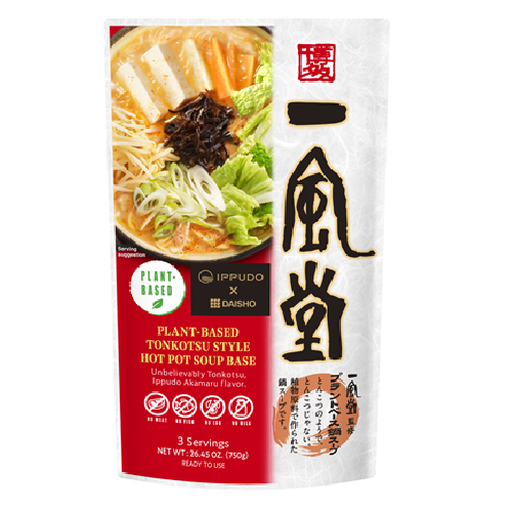
DAISHO Japanese Hot Pot Soup Base Ippudo Tonkotsu Style 750g
Why this product is a great fit: This hot pot soup base brings the rich, creamy flavour of a genuine tonkotsu base to your home hot pot experience. It's ideal for social gatherings where meat, vegetables, and noodles are cooked in a robust broth.
The clear "Tonkotsu Style" labelling prevents false expectations. It delivers exactly the rich profile you'd expect, avoiding the problem of a thin or mismatched broth.
Delivers an intense, complex flavour that would otherwise require hours of simmering. The package size is designed for a meal with several people.
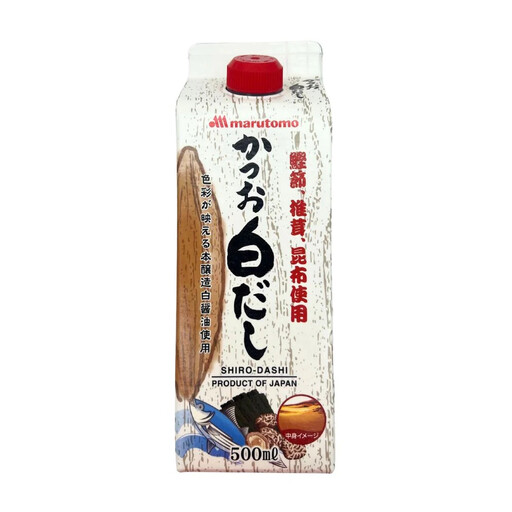
Marutomo EU White Dashi 500ml
Why this product is a great fit: This Shiro Dashi is a versatile liquid concentrate for cooks who want to maintain control over the flavour and appearance of their dishes. It's suitable for clear soups, sauces, steamed egg custard (Chawanmushi), and for seasoning vegetables.
As a light-coloured broth, it prevents the unwanted browning of ingredients, a common problem with dark, soy sauce-based broths. The clear dilution recommendations for various dishes also prevent incorrect mixing ratios.
High versatility and preservation of the ingredients' natural colour. The combination of bonito, kombu, and shiitake provides a multi-layered umami profile.
Looking for more options?
We have compiled a complete, up-to-date list of products that fully meet these strict selection criteria and all applicable safety regulations.
Frequently Asked Questions (FAQ)
1. How long does an opened Japanese soup base last? Liquid soup bases should be stored in the refrigerator after opening and typically used within a few weeks. Always check the manufacturer's instructions on the packaging. Dashi powder has a much longer shelf life when stored in a cool, dry place.
2. Can I use a ramen broth for udon noodle soup? Technically, you can, but it's often not ideal in terms of flavour. A ramen broth is typically richer and more robust to complement the thinner ramen noodles. A broth for udon noodles is traditionally lighter and clearer, so as not to overpower the thicker noodles.
3. What is the difference between dashi powder and a liquid soup base?Dashi powder is a dry seasoning mix that primarily provides the basic dashi flavour. It is a base ingredient. A liquid Japanese soup base is usually a complete concentrate that is already mixed with soy sauce, mirin, and other spices to create a finished broth for a specific dish (e.g., sukiyaki, hot pot).