
Buying Japanese Soup Base: A Guide to Dashi, Ramen and Hot Pot
A Japanese soup base can make it much easier to prepare dashi, miso soup, ramen or hot pot. However, powders, pastes and concentrates can vary significantly in flavour, dosage, ingredients and yield. If you focus only on terms such as “authentic” or “umami”, you may end up buying a base that is too salty, too intense or simply unsuitable for the dish you have in mind.
Common pitfalls when buying Japanese soup base
1. Japanese and Korean products are treated as the same
An Asian soup base is not automatically a Japanese broth. Dasida, for example, is a Korean beef-flavoured seasoning powder. It can be used for hearty soups, stews or marinades, but its flavour is not the same as a classic Kombu Dashi or bonito broth.
A Sukiyaki or kimchi base can also differ considerably from a mild dashi soup base, depending on the product. Before buying, it is therefore worth checking the origin, flavour profile and specific usage instructions.
2. High concentration is confused with high yield
With liquid concentrates, the mixing ratio determines the actual amount of prepared broth. Depending on the recommended ratio, a 500 ml pouch can make different numbers of portions. Examples range from 1:5 to 1:6 for a tonkotsu soup base to 1:10 to 1:12 for White Dashi intended for clear soups.
The serving information is equally important for powders. Ajinomoto HONDASHI, for example, specifies 1 g per 150 ml of broth for miso soup or noodle soup. Net weight alone is therefore not enough for a meaningful price comparison.
3. Salt and allergens are overlooked
Soup bases often contain salt, soya, fish or wheat. According to the product information, Beksul Dasida Soup Seasoning Beef Flavour 300 g contains, among other ingredients, 55 g of salt per 100 g, as well as soya and cereals containing gluten. SHIMAYA Dashi No Moto lists 60.8 g of salt per 100 g and fish as an allergen.
If you have any intolerances, the information on the product packaging should take priority. Fish is commonly found in Hondashi, bonito dashi and many Japanese seasoning pastes. You may therefore be disappointed if you expect a kombu product to be plant-based but it also contains bonito or other fish ingredients.
Key buying considerations at a glance
Flavour and ingredient base
- Kombu Dashi: usually has a clear, plant-like umami character from seaweed; check the ingredients list for additional fish components.
- Katsuo Dashi: typically made with bonito, with a pronounced fishy and smoky note.
- Miso soup base: combines dashi with miso and is ideal for preparing miso soup quickly.
- Tonkotsu soup base: a rich, pork-based flavour for ramen or hot pot.
- Sukiyaki soup base: usually a sweet-and-salty soya sauce base for thinly sliced meat, tofu and vegetables.
- Oden soup base: generally mild and clear, making it a good match for daikon, eggs, fish cakes and mushrooms.
- Korean varieties: kimchi or beef flavours can be suitable for hot pot and stews, but should not be confused with a Japanese dashi broth.
Format and preparation
Powder can be measured out in small quantities, making it suitable for individual bowls, rice dishes or stir-fries. Single portions, such as the 5 g sachets supplied with SHIMAYA Dashi No Moto, can also make storage easier.
Liquid concentrate is convenient for preparing several portions and can be diluted directly in a saucepan. Several products require refrigerated storage after opening. A paste or concentrate should not be used undiluted when the manufacturer specifies a mixing ratio.
Quantity, storage and labelling
Pay attention to:
- Net quantity in grams or millilitres.
- Recommended dilution ratio or grams per portion.
- Allergen information such as soya, wheat, fish, milk or pork.
- Storage instructions after opening, such as refrigeration at 0 to 4 °C.
- Intended use, for example ramen, udon, miso soup, oden or hot pot.
The following recommendations are arranged according to different shopping profiles.
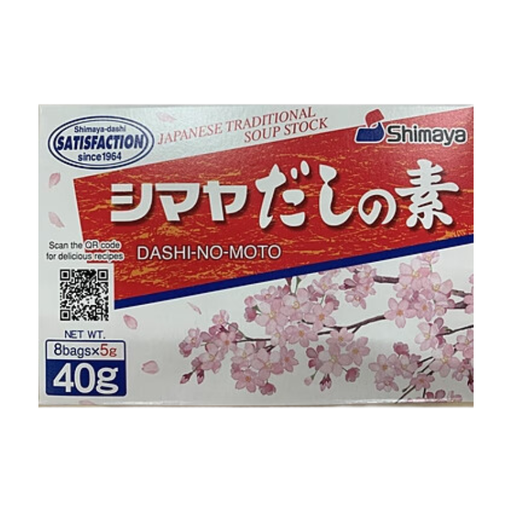
SHIMAYA Dashi No Moto Japanese Traditional Soup Stock (5 g × 8) 40 g
Why this product suits the profile: The eight individual portions make measuring easier and are suitable for miso soup, udon broth, stews and other Japanese dishes.
The portion sachets reduce the risk of inaccurate measuring. However, fish is listed as an allergen and should be taken into account before buying.
40 g total quantity, granulated format and clear suitability for miso soup, noodle soup and stews.
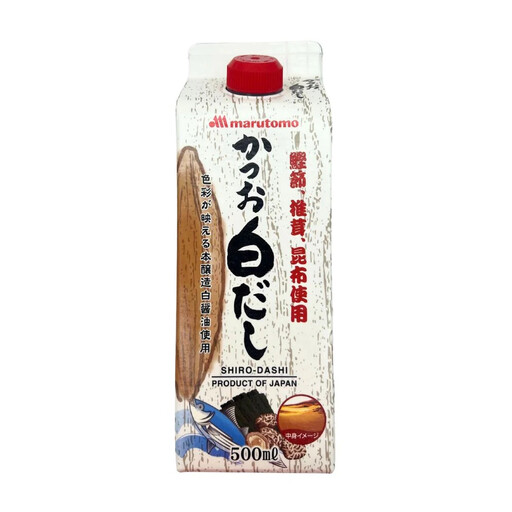
Marutomo EU White Dashi 500 ml
Why this product suits the profile: According to the product information, this liquid White Dashi combines katsuo, kombu and dried mushrooms. It is intended for clear soups, udon, soba and braised dishes.
The stated mixing ratio of 1:10 to 1:12 makes the dosage easy to understand. This allows you to adjust the flavour more precisely.
500 ml liquid concentrate, made in Japan, with refrigerated storage required after opening according to the product information.
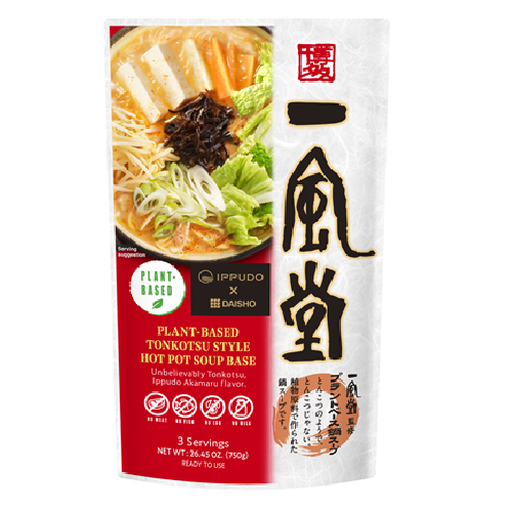
DAISHO Japanese Hot Pot Soup Base Ippudo Tonkotsu Style 750 g
Why this product suits the profile: The 750 g paste is intended for larger hot pot gatherings and can be combined with pork, vegetables, tofu and noodles.
The recommended ratio of 1 part paste to 5 parts water prevents it from being used as an undiluted seasoning paste. This keeps the broth more predictable.
750 g contents, pouch format and tonkotsu flavour for hot pot; soya, fish and pork are listed as ingredients or allergens.
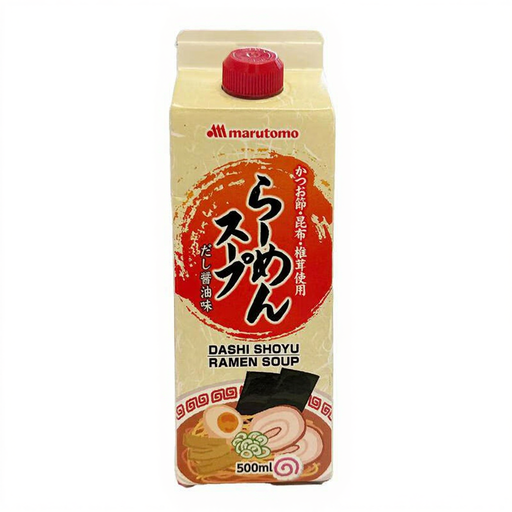
Marutomo Japan Ramen Soup Base 500 ml
Why this product suits the profile: This concentrate is designed for ramen and, according to the product description, can also be used for noodles, stir-fries and hot pot.
The ingredients list includes soya sauce, smoked bonito, kombu and shiitake, among other ingredients. This makes the flavour profile more clearly defined than that of a soup base described simply as Asian.
500 ml liquid concentrate, versatile for ramen and other dishes; soya, wheat and fish are listed as allergens.
When comparing other varieties, a Sukiyaki soup base, an oden base or Ajinomoto HONDASHI may also be worth considering. DAISHO Sukiyaki Hot Pot Soup Base 750 g is designed for a sweet and savoury soya sauce broth. According to the labelling, Ajinomoto HONDASHI Katsuo and Konbu 500 g combines bonito and kombu, but contains milk and fish.
Looking for more options?
We have put together a complete, regularly updated list of products that fully meet these strict selection criteria and the safety regulations applicable in the EU.
Frequently asked questions about Japanese soup base
Which Japanese soup base is suitable for miso soup?
Granulated dashi products such as SHIMAYA Dashi No Moto or HONDASHI are a good choice for miso soup. Check whether the base contains fish, and only add the miso after dissolving the broth. The exact quantity should be based on the instructions on the packaging.
How do you prepare ramen soup base?
Dilute a liquid concentrate with water and then heat it. According to the product information, Marutomo EU Ramen Soup Tonkotsu should be mixed at a ratio of 1:5 to 1:6. Only then add noodles, meat, tofu or vegetables to the broth. If the manufacturer provides different instructions, always follow the packaging.
How long does opened soup base keep?
Shelf life depends on the product. Unopened products should be stored in a dry, cool place and used by the printed best-before date. Opened liquid bases often need to be refrigerated and should be used promptly. Powdered products are best kept in a tightly sealed, dry place.