
Buying konjac snacks: A guide to choosing flavour, calories and convenient portions
Konjac snacks combine an elastic, pleasantly chewy texture with savoury flavours. This makes them appealing to calorie-conscious shoppers, fans of Asian snacks, and those following vegan or vegetarian diets. The category ranges from ready-seasoned konjac crisps and konjac tripes to plain konjac cubes, shirataki noodles and konjac jelly.
However, “low calorie” is not the only factor to consider when buying. Portion size, salt content, ingredients and intended use are all important. Checking these points in advance helps you avoid disappointing purchases and makes it easier to find the right konjac snack for eating on the go, adding to hot pot or preparing at home.
Common pitfalls when buying konjac snacks
1. “Low calorie” often refers to 100 grams
Nutritional values are generally given per 100 grams. An individual portion may be small, but several packs can quickly add up. In seasoned konjac snacks, extra calories often come from oil, sugar or starchy ingredients. It is therefore more useful to check energy, fat and carbohydrates per 100 grams than to rely on an isolated marketing claim on the front of the pack.
2. A spicy flavour can mean a high salt content
Spicy snacks, mala varieties and hot-and-sour Chinese snacks often contain seasoned oils, soy sauce, chilli, Sichuan pepper or fermented ingredients. As a result, their salt content can be considerably higher than that of plain konjac products. For comparison, according to the product information, some of the seasoned varieties listed here contain approximately 2.1 to 5.0 grams of salt per 100 grams.
3. “Vegetarian” does not automatically mean vegan or allergen-free
Konjac itself is plant-based. However, the seasoning may contain soya, wheat, sesame, peanuts or milk ingredients. For example, the ingredients list for konjac Tteokbokki includes milk, wheat, beef and soya. When choosing vegetarian or vegan konjac snacks, always check the complete ingredients and allergen information, as well as the details on the packaging.
Parameters to compare before buying
Ingredients and konjac content
A higher konjac content is not automatically a mark of quality, but it does show the role the raw ingredient plays in the product. In various konjac tripes and snack strips, for example, the declared konjac flour content is around 6 to 7 per cent. Depending on the recipe, the remainder may include water, starch, oil and seasonings.
In plain products such as konjac cubes or shirataki noodles, the ingredients list is often shorter. According to the product information, YunShanBan Konjac Cubes contain konjac powder, water and seaweed powder. Manchengxiang Shirataki Fine contains water, 3.8 per cent konjac flour and calcium hydroxide.
Nutritional values and portion format
For a calorie-conscious choice, you should check at least the following information:
- Energy per 100 grams
- Fat and saturates
- Carbohydrates and sugars
- Salt
- Pack weight and individual portion size
A 252-gram snack containing approximately 28 individual packs is suited to everyday use in a different way from a 500-gram pack of konjac cubes. Individual portions make snacks easier to take with you and help with portion planning, while larger packs can be more economical for families, parties or regular use.
Preparation and storage
Pre-packed snacks are usually ready to eat. Konjac noodles, shirataki noodles and konjac knots, on the other hand, often need to be drained, rinsed and briefly blanched. For Manchengxiang Shirataki Fine, rinsing for one to two minutes followed by blanching for two to three minutes is recommended. According to the product information, FISHWELL Shirataki Knots should be boiled for three to five minutes and then rinsed under cold water.
After opening, many products need to be stored in a cool place and should be consumed promptly. The specific instructions on the packaging take priority.
Our selection for different types of shopper
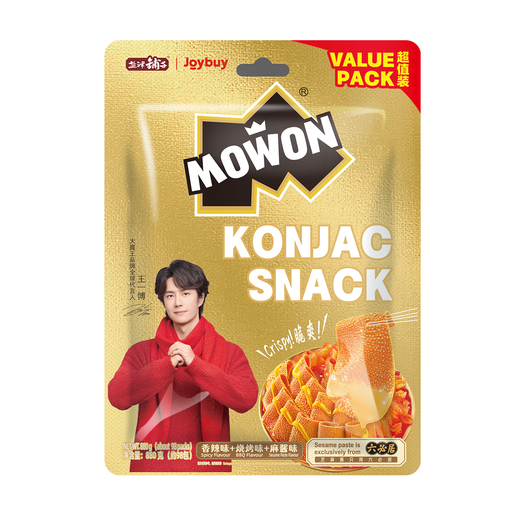
Yan Jin Pu Zi MOWON Konjac Value Pack, 880 g
Why this product suits this profile: According to the product information, the mixed pack contains around 98 small individual portions with sesame paste, BBQ and spicy flavours. This allows beginners to try a range of seasoned konjac snacks.
The different varieties show how significantly oil, sugar and seasoning can affect nutritional values. The individual packs also make portion control easier.
Ready to eat, with three flavours and around 98 small packs. According to the nutritional information, the varieties contain between 110 and 184 kcal per 100 g.
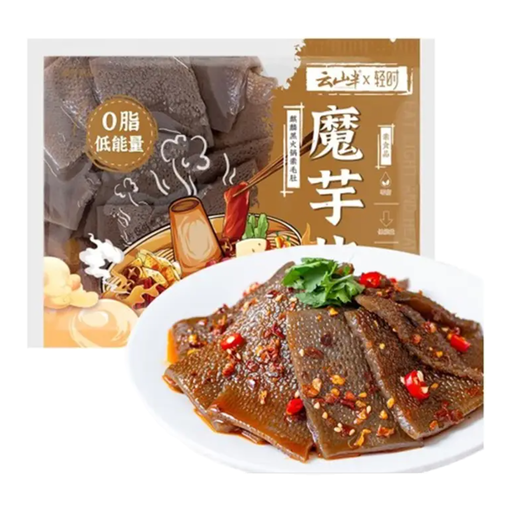
YunShanBan Konjac Cubes 500 g
Why this product suits this profile: The plain cubes can be used in salads, soups, stir-fries and hot-pot dishes. The short ingredients list makes the product easy to assess.
This is not a heavily seasoned ready-to-eat snack. Preparing it yourself gives you greater control over the flavour and salt content.
500-g pack, described by the product information as gluten-free and suitable for vegetarian and vegan diets. It provides 75 kJ per 100 g.
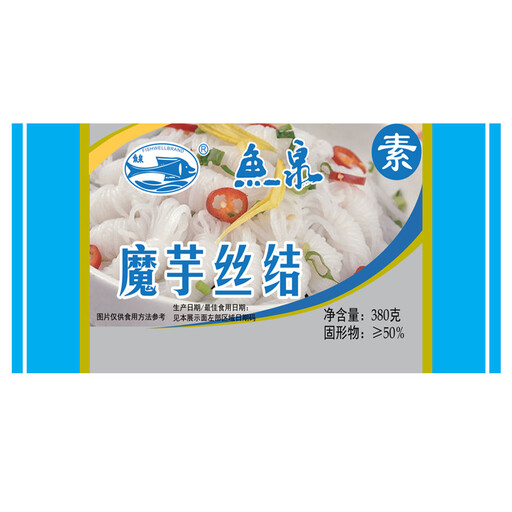
FISHWELL Shirataki Knots 380 g
Why this product suits this profile: The shirataki knots are intended for soups, hot pot and cold dishes. This format is suitable for people who want to incorporate konjac into their meals regularly.
The product information clearly states that it needs to be cooked for three to five minutes. This makes it clear that the knots should not simply be served straight from the pack without checking the preparation instructions.
380-g pack, described as vegan and free from declared allergens. It provides 68 kJ or 16 kcal per 100 g.
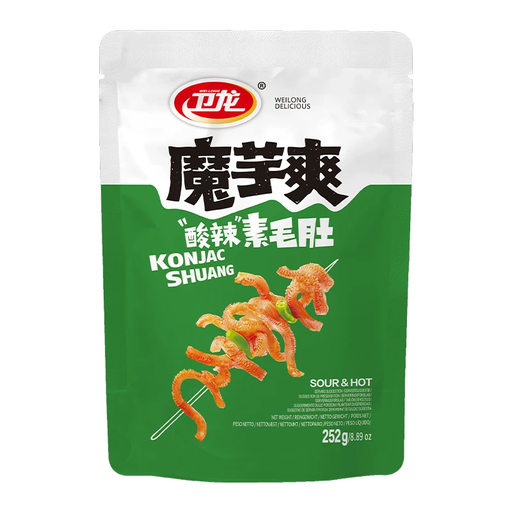
Wei Long Konjac Snack Hot and Sour Vegetarian Tripes, 252 g
Why this product suits this profile: According to the product description, the thin, wavy strips are vegetarian and seasoned with a hot-and-sour flavour. Around 28 individual packs are designed for eating on the go or sharing.
The nutritional information lists 3.28 g of salt and 108 kcal per 100 g. If you are looking for an intense flavour, you can assess these figures realistically before buying.
Ready to eat, individually portioned and featuring the pleasantly chewy texture typical of konjac tripes. Contains soya according to the ingredients list.
Looking for more options?
We have put together a complete, regularly updated list of products that fully meet these strict selection criteria and the safety regulations applicable in the EU.
Understanding other product types
- Konjac noodles and shirataki noodles: Suitable for soups, stir-fries and salads. After opening, they should be rinsed and heated as instructed on the packaging, then stored in the fridge.
- Konjac jelly: Fruity individual portions are ready to eat. Calorie content varies considerably: Delief Konjac Jelly Mango contains 5 kcal per 100 g, while Cool Strong Konjac Jelly Red Grape contains 111 kcal per 100 g.
- Konjac cubes and knots: These plain products absorb sauces and stock and work well with hot-pot ingredients. Follow the preparation instructions.
- Seasoned konjac snacks: They are usually ready to eat, but oil, sugar and salt can make them significantly different from plain konjac products.
FAQ about konjac snacks
Are konjac snacks suitable for a vegan diet?
That depends on the individual product. Some plain konjac cubes, shirataki noodles and knots are described as vegan. Seasoned varieties, however, may contain soya, wheat, sesame or animal-derived ingredients. Always refer to the current ingredients list and allergen information.
Do konjac noodles need to be cooked before eating?
Not always. Some products can be used immediately after rinsing, while others recommend additional blanching or cooking. For Manchengxiang Shirataki Fine, blanching for two to three minutes is recommended, while FISHWELL Shirataki Knots should be cooked for three to five minutes. The instructions on the relevant packaging are decisive.
How long do konjac snacks keep?
The best-before date is printed on the packaging. Unopened products are generally stored in a cool, dry place. Once opened, storage requirements vary by product: some snacks should be eaten promptly, while noodles or jellies should be sealed, refrigerated and used within a few days.