
Buying konjac noodles: how to choose low-calorie, low-carb options
Konjac noodles, also known as Shirataki noodles, are made mainly from water and konjac flour. They’re often bought as a low-calorie alternative to noodles made from wheat, rice or glass noodles. Depending on their shape, they’re suitable for soups, stir-fries, salads, hot pot and cold Asian dishes.
Choosing a product may seem straightforward at first, but some details on the packaging can easily lead to the wrong purchase. If you only look for terms such as ‘keto’, ‘low carb’ or ‘0 kcal’, you could overlook the ingredients, allergens, drained weight or the preparation method.
Common pitfalls when buying konjac noodles
1. Misreading calorie and carbohydrate information
Nutritional values are usually given per 100 grams of product, though sometimes they refer to the drained weight or the product as prepared. So a 380-gram pouch doesn’t necessarily contain 380 grams of edible noodles. Products with added ingredients such as starch, rice flour, soya flour or sweet potato starch can have very different nutritional values from plain konjac noodles.
To make an informed choice, always compare:
- Energy per 100 grams
- Carbohydrates and sugars
- Fat and salt
- Drained weight
- Ingredients and actual pack size
2. ‘Keto’ or ‘vegan’ doesn’t tell you everything about the recipe
Not all konjac products contain only konjac flour and water. According to the product information, DSKONYAKU Premium Pasta Konjac Noodle contains modified starch, sugar, skimmed milk powder, soya powder and rice flour, among other ingredients. This means it isn’t suitable for a dairy-free or soya-free diet.
It’s also worth checking the ingredients list when choosing vegan noodles. ‘Konjac’ describes the main ingredient, but not necessarily the whole recipe. If you follow a gluten-free diet, check products carefully for oats, wheat or unclear labelling.
3. Underestimating smell, texture and storage
Shirataki noodles packed in water can have a distinctive smell when opened. Rinsing them thoroughly and blanching them briefly can help reduce it. Depending on the product, the instructions may also recommend heating, drying the noodles in a pan or adding them directly to broth.
Storage is just as important. Some packs can be kept at room temperature while unopened, but must be refrigerated and used within a certain time once opened. Always follow the instructions on the specific pack.
What to check before you buy
Ingredients and allergens
Products with a short ingredients list may be a good choice if you’re looking for a simpler recipe. According to the product information, FISHWELL Shirataki Knots 380g contains water, konjac powder and the firming agent E526. No allergens are listed. Other varieties may contain soya, milk, oats or sweet potato starch.
If you’re looking for vegan noodles, gluten-free noodles or an option with fewer allergens, check the labelling for the specific product rather than relying on its name alone.
Nutritional values per 100 grams
The products in this selection have different nutritional values. FISHWELL Shirataki Knots are listed as containing 16 kcal per 100 grams. Manchengxiang Shirataki Fine has 9.5 kcal per 100 grams according to the product description, while FISHWELL Yu Quan Konjac Noodles are listed as containing 6 kcal per 100 grams when drained.
These figures aren’t directly comparable if they use different reference weights. Check whether the information applies to the whole product, the drained product or the prepared portion.
Shape and intended use
- Konjac spaghetti goes well with tomato, curry or sesame sauces.
- Konjac fettuccine has a flat shape that works well with creamy or spicy sauces.
- Fine Shirataki noodles are suitable for soups, salads and stir-fries.
- Konjac rice is an option for curries, stir-fries and side dishes.
- Noodle sheets or wide strips can be used in hot pot or for salad rolls.
The shape affects not only how the noodles look, but also how well they absorb sauce and broth.
Our picks for different types of shoppers
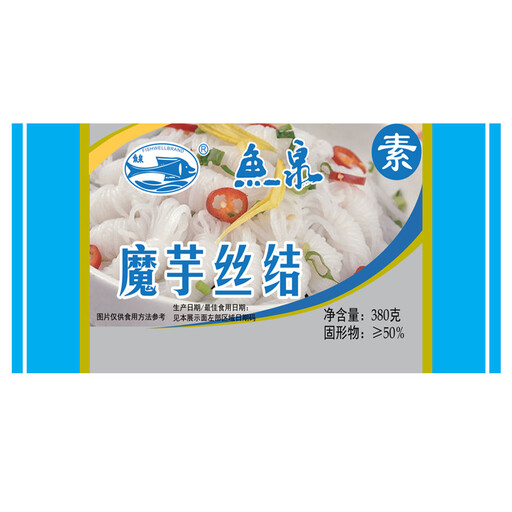
FISHWELL Shirataki Knots 380g
Why this product suits this shopper: The 380-gram pack contains classic Shirataki noodles, suitable for soups, hot pot and cold dishes. To prepare them, rinse and boil for 3–5 minutes.
The product information lists the ingredients, allergens, nutritional values, net weight and specific preparation steps.
16 kcal and 0 g of fat per 100 g according to the product description; plant-based recipe with no allergens listed.
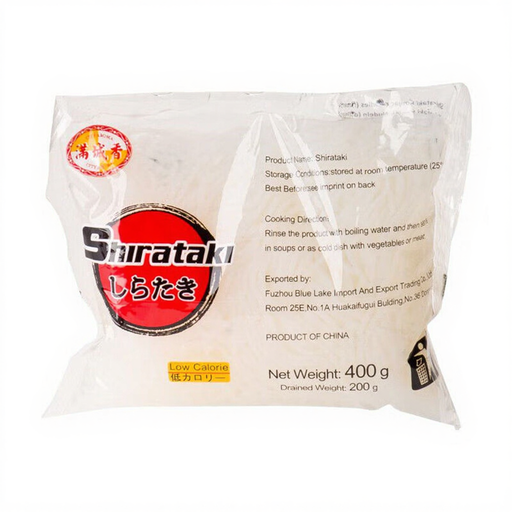
Manchengxiang Shirataki Fine, Konjac Noodles 400 g
Why this product suits this shopper: The fine noodles work well in dry dishes, stir-fries, salads and soups. The product information explains how to rinse and briefly boil them, and how to dry them in a pan.
The instructions take excess liquid into account and recommend briefly drying the noodles in a pan for dry dishes.
400 g pack, with 9.5 kcal and 1.5 g of carbohydrates per 100 g according to the product information; no allergens listed.
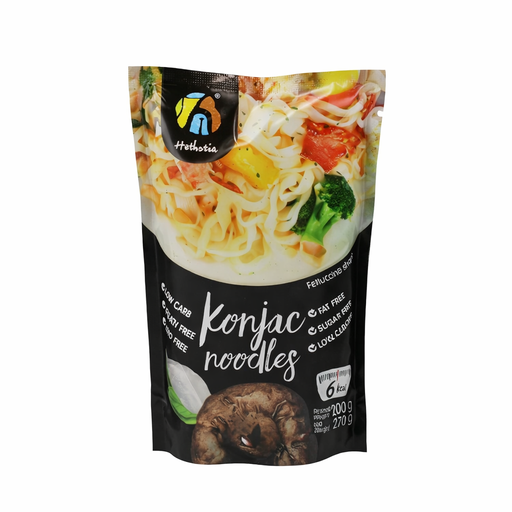
Hethstia Konjac Noodle Fettuccine (Flat Noodles) 270g
Why this product suits this shopper: The flat fettuccine shape is designed for dishes with sauce, salads, soups and stir-fries. The pack includes specific instructions for rinsing and storing the noodles after opening.
The ingredients list water, konjac powder and citric acid; no allergens are listed in the product description.
6 kcal per 100 g according to the nutritional information; flat noodles that are fat-free and sugar-free according to the product description.
Looking for more options?
We’ve put together a complete, regularly updated list of products that meet these strict selection criteria and fully comply with the safety regulations in force in the EU.
Plan preparation and storage carefully
For many konjac noodles packed in water, follow these three steps:
- Drain the liquid and rinse the noodles thoroughly under cold water.
- Blanch or boil for 1–5 minutes, depending on the pack instructions.
- Drain and mix with sauce, broth, vegetables or dressing.
For stir-fries, briefly drying the noodles in a non-stick pan can help. This makes the sauce less watery. Keep opened packs in the fridge. Depending on the product, they may need to be eaten straight away or within a few days. Check the label for the specific time limit.
Frequently asked questions about konjac noodles
Are konjac noodles suitable for a low-carb or keto diet?
Many plain konjac noodles are listed as containing very few carbohydrates. However, if you follow a low-carb diet or a keto diet, check the full nutritional information and ingredients list. Varieties containing starch, sugar, rice or sweet potato ingredients may have very different nutritional values.
How do you get rid of the characteristic smell of Shirataki noodles?
After opening, drain the noodles and rinse them thoroughly with cold water. Depending on the product, blanching or boiling them for a few minutes may also help. You can then serve them with sauce, broth or seasoning.
How long do konjac noodles keep after opening?
This depends on the recipe and packaging. Some products should be used straight away, while others can be kept in a sealed container in the fridge for a few days. Always follow the manufacturer’s instructions on the pack.