
Konjac Noodle Buyer’s Guide: Avoid the 3 Most Common Mistakes
Konjac noodles, also known as shirataki noodles, are gaining popularity as a low-calorie, low-carb alternative to traditional pasta. However, buying and preparing them can present a few pitfalls that may lead to disappointment. As your Joybuy Product Recommendation Officer, I'm here to help you navigate the common traps and find the perfect product for your needs.
The Most Common Pitfalls When Buying Konjac Products
Many first-time buyers are disappointed with konjac products because they encounter common issues. Knowing what they are will help you make an informed decision.
- The intense, distinct odour: Many konjac noodles are packaged in a liquid that can have a slightly fishy smell. This comes from the preservation process and is harmless, but it can be off-putting if you don't know that it can be completely removed by simply rinsing the noodles.
- Hidden ingredients and misleading nutritional values: Not every product marketed as "konjac" is made exclusively from konjac flour. Some varieties contain added starches, soy, or oat flour, which increases the calorie and carbohydrate content. For those on a strict keto diet or who need
gluten-free noodles, a close look at the ingredients list is essential. - Improper preparation leads to a rubbery texture: If
shirataki noodlesare treated like wheat pasta, the result is often a rubbery, bland mass. The correct preparation—thorough rinsing and brief heating—is crucial for a pleasant consistency that absorbs sauces well.
What to Look for Before You Buy: The Key Parameters
To ensure you're buying the right konjac products, you should check three core aspects. These will help you objectively assess a product's quality and suitability.
1. Composition: Pure Konjac Base vs. Blended Products
The ingredients list is your most important guide.
- Pure Konjac Products: Typically consist of only water, konjac flour (glucomannan), and an acidity regulator like calcium hydroxide. This version is virtually free of calories, carbohydrates, and fat. It's the top choice for strict diets like keto and for anyone looking for the purest
low-carb pastaavailable. - Blended Products: Contain additional ingredients like oat fibre, soy flour, or tapioca starch. These additives can improve the texture, making it more similar to traditional pasta. However, they also increase the calorie and carbohydrate content. Pay close attention to the nutritional information to ensure the product still aligns with your dietary goals.
2. Product Form and Intended Use
Konjac is available in many different forms, each suited to different dishes.
- Thin Noodles (Spaghetti, Angel Hair): Ideal for Asian soups (ramen) or light sauces.
- Wide Noodles (Fettuccine, Tagliatelle): Well-suited for creamier sauces or as a side dish, as they offer more substance.
- Rice Form (
konjac rice): An excellent alternative to traditional rice in curries, bowls, or as a filling. - Knots and Slabs: Often used in Asian hot pots or stews, as they retain their firm, chewy texture.
3. Preparation Method: Ready-to-Cook vs. Ready-to-Eat
Products vary greatly in their convenience.
- Ready-to-Cook Noodles: This is the most common form. The noodles are packed in water and must be drained, thoroughly rinsed, and briefly heated (e.g., by blanching or pan-frying) before consumption.
- Ready-to-Eat Snacks and Meals: Some products are already seasoned and designed as a snack or a quick meal. These are perfect for on-the-go or when you're short on time, but they often have a higher salt and calorie content due to the added sauces and oils.
Recommended Products for Every Profile
Here are some recommendations tailored to specific needs, keeping the aforementioned pitfalls in mind.
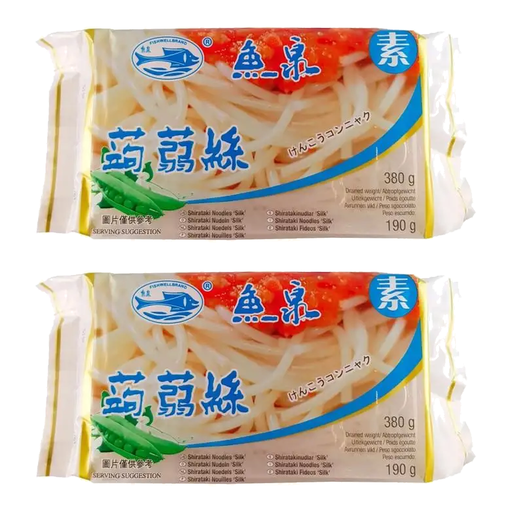
FISHWELL Yu Quan Konjac Noodles 380g*2
Why This Fits Their Persona: This product is a classic, pure shirataki noodle, making it ideal for anyone new to the world of konjac. Its versatility allows it to be used in soups, salads, or stir-fries.
The clear ingredient list (water, konjac flour, acidity regulator) avoids the hidden calorie trap. The preparation instructions clarify that rinsing and cooking are necessary to optimise the smell and texture.
At just 6 kcal per 100g (according to the manufacturer), it's an extremely low-calorie base. Its neutral form absorbs the flavour of sauces very well.
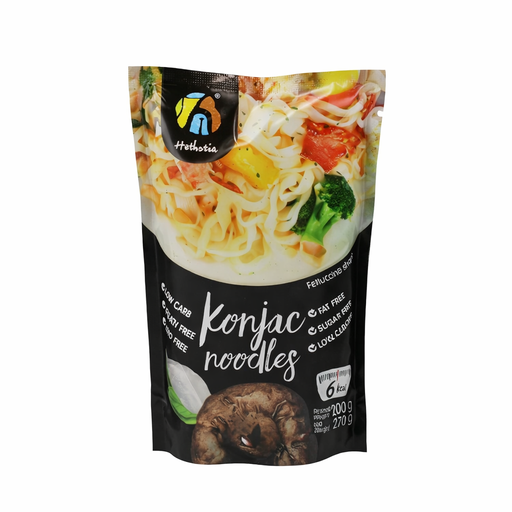
Hethstia Konjac Noodle Fettuccine (Flat Noodles) 270g
Why This Fits Their Persona: This product is explicitly designed for a keto and low-carb diet. The fettuccine shape provides a satisfying mouthfeel that comes close to traditional pasta.
The nutrition label shows 0g of net carbs, bypassing the trap of hidden additives. The clear 3-step preparation guide ensures a good texture and prevents a rubbery result.
The wide noodle shape is excellent for rich sauces. The product is certified vegan and halal, making it suitable for a broad audience.
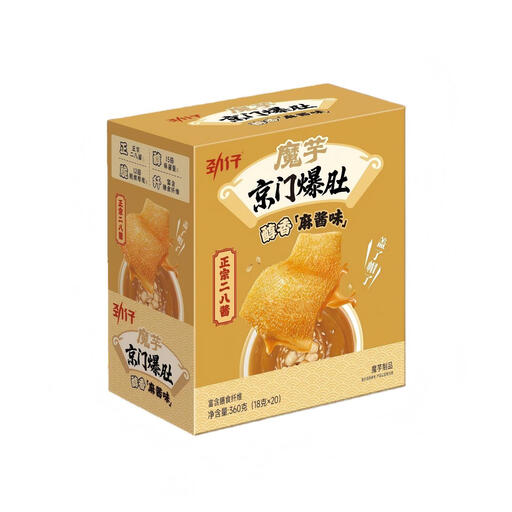
Jin Zai Jingmen Konjac Original Sesame Flavor 360g
Why This Fits Their Persona: For anyone who values the convenience of a ready-made product. This ready-to-eat snack combines the chewy texture of konjac with a rich, nutty flavour, making it ideal for on-the-go or as a quick side dish.
As a seasoned, ready-made product, it completely bypasses the preparation hurdles. There's no distinct odour to remove and no risk of using the wrong cooking method. What you see is what you get: a finished snack.
The individual packets allow for easy portion control. The flavour from peanut and sesame paste makes it a satisfying and tasty snack.
Looking for More Options?
We've compiled a complete, up-to-date list of products that meet our strict selection criteria.
Frequently Asked Questions (FAQ)
How do I get rid of the distinct smell of konjac noodles?
The smell can be neutralised in three simple steps:
- Drain: Open the package and pour off all the liquid.
- Rinse: Rinse the noodles thoroughly in a sieve under cold running water for 1-2 minutes.
- Blanch (optional): For best results, you can then place the noodles in boiling water for 2-3 minutes and drain again. After this, they will be odourless and ready for further use.
Are konjac noodles truly calorie-free?
Pure shirataki noodles are extremely low in calories, but not completely calorie-free. They typically contain fewer than 10 kilocalories per 100 grams. This is because they are made almost exclusively of water and glucomannan, a dietary fibre that is indigestible to humans. Products with added ingredients like oat or soy will have a higher calorie count. Therefore, it's always wise to check the nutrition label of the specific product.
Do konjac noodles help with weight loss?
As weight-loss noodles, konjac products can be a valuable part of a calorie-conscious diet. When they replace higher-calorie side dishes like wheat pasta, rice, or potatoes, they can significantly reduce the total calorie intake of a meal. The dietary fibre glucomannan swells in the stomach and can contribute to a longer-lasting feeling of fullness. However, sustainable success is always based on a balanced overall diet and a healthy lifestyle.