
Konjac Snack Buyer’s Guide: How to Find the Right Asian Snack
By a Joybuy Product Recommendation Officer, August 28, 2026
Konjac snacks have evolved from a niche product into a staple of snack culture in the UK and beyond. The spicy Konjac Snack from Chinese cuisine, often called vegetarian tripe, is gaining a particularly strong following. Its combination of a unique, firm-to-the-bite texture and intense flavours like mala makes it a sought-after alternative. However, with a growing selection, finding the right product isn't easy. Many first-time buyers are disappointed when the product doesn't meet their expectations.
This guide will help you avoid the common purchasing pitfalls and recognise the features that truly matter.
The 3 Most Common Disappointments When Buying Konjac Snacks
The packaging often promises an authentic and intense flavour experience, but the reality can be different. Here are three common issues that can lead to purchase regret:
- Misleading Texture Claims: Many products advertise a "firm" or "meat-like" texture. In practice, some turn out to be overly rubbery or soft, which detracts from the chewing experience. The processing quality of the konjac flour is the decisive factor here.
- Unbalanced Seasoning: A Mala snack should offer a harmonious balance between the heat (La) from chillies and the characteristic, tingling-numbing sensation (Ma) of Sichuan pepper. Often, a one-dimensional heat dominates, while the complex mala note is missing or barely perceptible.
- Hidden Calorie Traps: Although konjac is naturally very low in calories, this benefit is sometimes negated by high sugar or salt content in the seasoning sauce. A glance at the nutrition label is essential if you're looking for a truly low-calorie snack.
What to Look For: The Decisive Parameters
To ensure your Chinese snack delivers on its promise, you should check three core aspects before making your decision.
1. Texture and Shape: More Than Just a Matter of Appearance
Texture is the hallmark of konjac snacks. It is largely determined by the shape and the processing of the konjac flour. Common forms include:
- Strips (Shreds): Thin, often wavy strips that resemble noodles or sliced meat. They absorb sauce well and offer a chewy yet pleasant mouthfeel.
- Vegetarian Tripe: This shape mimics the structure of tripe and is known for its particularly firm and slightly cartilaginous texture. Ideal for fans of a substantial bite.
- Cubes or Blocks: These are often a bit softer and juicier but still retain the typical konjac bite.
Pay attention to the product description. Terms like "firm to the bite," "crisp," or "chewy" provide clues about the expected chewing experience.
2. Flavour Profile: From Mala to Sour & Spicy
The world of the spicy Asian snack is diverse. The seasoning defines the entire flavour experience. The most important profiles are:
- Mala (麻辣): The classic Sichuan seasoning. An authentic Mala snack contains both chilli for heat (La) and Sichuan pepper for the numbing tingle (Ma). Check the ingredients list for the presence of Sichuan pepper (often listed as "prickly ash" or "Sichuan pepper").
- Sour & Spicy (酸辣): A combination of vinegar or citrus notes and heat. This variant is often very appetising and refreshing.
- Hot Pot (火锅): Inspired by the flavour of a Sichuan hot pot broth. Expect a complex, savoury, and often very oily blend of various spices.
- Sesame & Spicy (香辣): Here, the heat is complemented by the nutty, rich aroma of sesame paste or oil, creating a creamier and deeper flavour note.
3. Nutrition and Ingredients: A Closer Look
A good Konjac Snack should not only taste great but also serve as a mindful snack option.
- Calorie Content: Most konjac snacks range from 70 to 150 kcal per 100g. Products at the lower end of this spectrum are a great choice for a light snack.
- Sugar and Salt Content: Compare the sugar and salt (sodium) levels. Some products contain a surprising amount to intensify the flavour.
- Allergens: As a vegan snack, konjac is inherently plant-based. However, the seasoning sauces often contain allergens like soy, wheat, peanuts, or sesame. A careful look at the ingredients list is essential for allergy sufferers.
Flavour Profile Product Picks
Here are some recommendations tailored to different preferences and requirements.
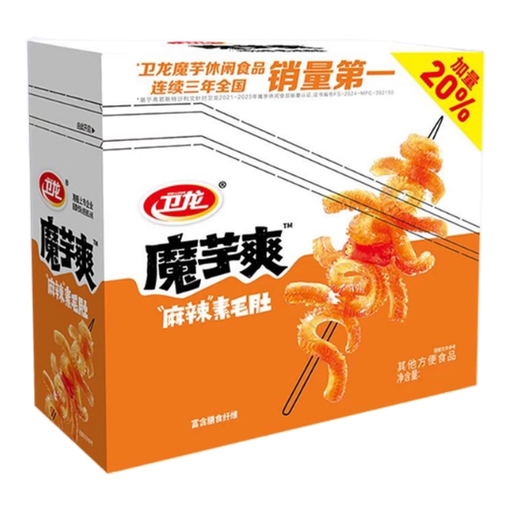
Wei Long Konjac Snack, Vegetarian Tripe Numbing & Spicy 360g Box
Why This Fits Their Persona: Ideal for anyone looking to get acquainted with the authentic mala flavour. The Wei Long snack is a well-known benchmark product that combines well-balanced heat with a distinct but not overpowering Sichuan pepper note. The texture of the vegetarian tripe is pleasantly firm to the bite.
This product delivers a balanced mala profile. The numbing effect of the Sichuan pepper is clearly present without overpowering the other flavours, thus avoiding the disappointment of a one-dimensional, purely spicy seasoning.
Authentic mala seasoning; firm, tripe-like texture; convenient individual packs in a bulk box.
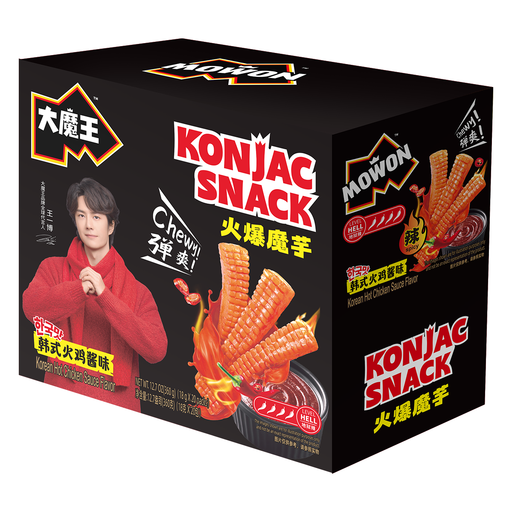
Yan Jin Pu Zi MOWON Spicy Konjac, Hot Chicken Sauce Flavor
Why This Fits Their Persona: For those who crave intense and direct heat. The "Hot Chicken Sauce" flavour is known for its powerful seasoning and is combined here with the chewy texture of konjac strips. This is a snack that definitely brings the heat and is intended for seasoned spice lovers.
This product makes no false promises. The name "Hot Chicken Sauce Flavor" clearly signals a seasoning focused on intense heat, rather than just hinting at a complex mala note.
Intense and direct heat; chewy, strip-like texture; convenient 20-pack for stocking up.
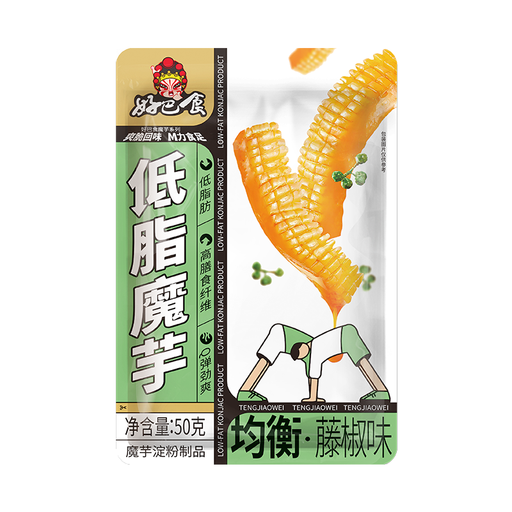
HAO BA SHI Konjac Snack (Sichuan Pepper Flavor) 50g
Why This Fits Their Persona: For anyone seeking a flavourful yet low-calorie snack. At only 68 kcal and 1.2g of sugar per 100g, this snack is one of the lighter options on the market without compromising on taste. The Sichuan pepper seasoning provides an authentic aroma.
This product sidesteps the hidden sugar and high-calorie trap. The nutritional information confirms that it is a genuinely low-calorie snack, ensuring konjac's natural benefits aren't negated by an overloaded sauce.
Very low in calories and sugar (per the nutrition label); crisp and chewy texture; flavourful taste from real Sichuan pepper.
Looking for More Options?
We've compiled a complete, up-to-date list of products that fully meet these strict selection criteria.
1. What exactly is a konjac snack?
A konjac snack is a ready-to-eat product made from the flour of the konjac root (also known as devil's tongue), a plant native to Asia. The flour is mixed with water to form a gel-like substance, which is then shaped (e.g., into strips or cubes) and marinated in a spicy sauce. Konjac is naturally virtually calorie- and fat-free and rich in soluble fibre, making it a popular base for a vegan snack.
2. Is every konjac snack spicy?
No, but most of the popular varieties available are spicy. The heat is a core part of the flavour experience, especially for types like the Mala snack or Hot Pot. However, there is a wide range of heat levels and flavour profiles, from mildly savoury to extremely hot. Product names and descriptions often provide the best clue.
3. How do you eat konjac snacks?
Konjac snacks are designed as a "ready-to-eat" product. They are typically packed in small, airtight individual portions, making them ideal for on-the-go, as a snack at work, or as an accompaniment to a drink. You can eat them straight from the packet. Some people also use them as a spicy, texture-rich addition to rice or noodle dishes.