
Buying pickled vegetables: how to choose varieties, ingredients and the right products
Pickled vegetables make a handy side dish for rice dishes, noodles, sandwiches, barbecues and salads. Many products in jars or individual packs are ready to serve. However, they can vary considerably in flavour, ingredients, drained weight, salt content and intended use.
If you’re looking to buy pickled cucumbers, Chinese pickled vegetables or Asian pickles, don’t rely on product images or words such as ‘traditional’ and ‘authentic’ alone. Check the information on the label and consider whether the product suits the way you eat.
Common pitfalls when buying pickled vegetables
1. Confusing the pack weight with the drained weight
With products packed in brine, the stated jar or tin weight isn’t the only figure to consider. Some of the contents are liquid, so the drained weight is what matters when planning portions. For example, a 1 kg jar of Norwegian cucumber salad has a stated drained weight of 550 g.
2. Not checking the ingredients to gauge sweetness and acidity
A sweet-and-sour cucumber salad can contain a significant amount of sugar. For example, Kühne Sweet Danish Cucumber Salad contains 15 g of sugar per 100 g. A jar of vegetable salad with onions, peppers and carrots may also taste sweeter than expected because of added sugar or glucose-fructose syrup.
If you’re looking for a savoury side dish, compare the ingredients list and nutritional information. Asian pickles, on the other hand, often get much of their flavour from salt, soya sauce, fish sauce or seasonings.
3. ‘Fermented’ doesn’t automatically mean a particular flavour
Fermented vegetables and vegetables pickled in vinegar are sometimes described in similar terms in everyday use, but they’re not the same thing. Some products get their acidity from fermentation; others use vinegar or acidifying agents. Check the packaging for details of how the product is made.
Three key things to consider
Ingredients, allergens and seasoning
When choosing pickled mustard greens, pickled mustard stems or Chinese pickled vegetables, take a close look at:
- The proportion of vegetables and the varieties used
- Salt, sugar and acidifying agents
- Fish sauce, soya sauce, sesame or mustard
- Sweeteners and flavour enhancers
- Preservatives
- Warnings such as ‘contains a source of phenylalanine’
Ngọc Liên Preserved Fermented Greens contains papaya, radish, carrot, cucumber, garlic, chilli and fish sauce, among other ingredients. It also carries warnings for fish, sulphites and aspartame. This labelling is particularly important for people with allergies and households with specific dietary requirements.
Portion size and packaging
Individual portions are handy for lunchboxes, travel or occasional use. Multipacks and large jars make sense if you regularly serve pickled vegetables as a side dish.
Check the storage instructions too. Many products can be stored at room temperature while unopened, but need to be refrigerated and used promptly once opened. For tinned products, you may need to transfer the contents to a non-metallic, airtight container after opening.
Flavour and how you plan to use it
- Mild, sweet and tangy: goes well with smørrebrød, barbecues, potato salad or cold platters
- Salty and savoury: a good match for rice, congee, noodles and steamed dishes
- Crunchy and spicy: adds a punch to stir-fries or robust main courses
- Mixed varieties: handy for sandwiches, hot dogs, burgers and salads
Products to suit different shopping needs
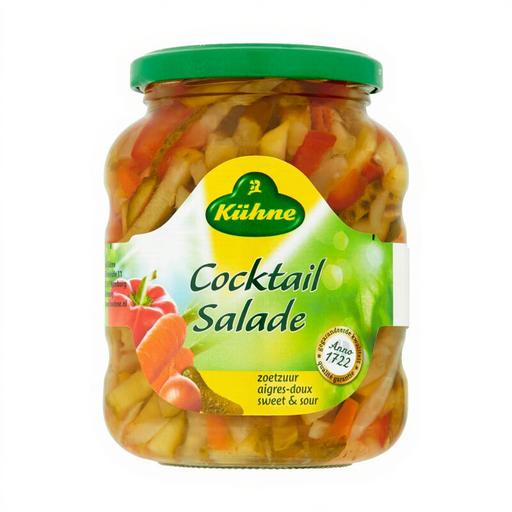
Kühne Puszta Pickled Vegetable Salad 370ml
Why it suits this shopper: The 370 ml size is a good fit for smaller households and occasional use. The mix of cucumbers, red peppers, onions and carrots goes well with sandwiches, salads and cold dishes.
The product description lists the vegetables, the source of acidity and an allergen warning for celery. This makes it easier to check the seasoning before you buy.
A mix of vegetables that’s ready to serve and versatile enough for sandwiches, potato salad or barbecues.
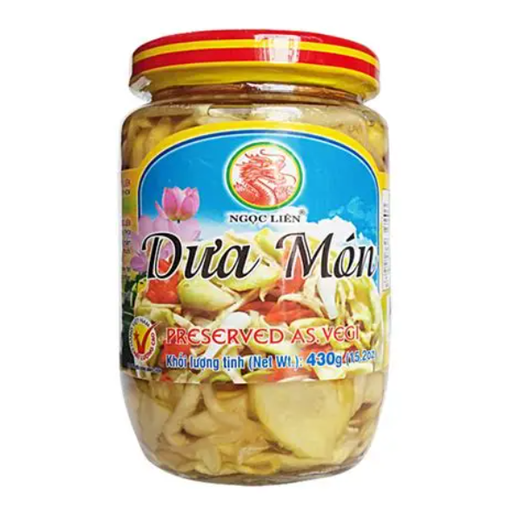
Ngọc Liên Preserved Fermented Greens (Dưa Chua/Dưa Môn Huế) 430g
Why it suits this shopper: This Vietnamese speciality combines papaya, radish, carrot, leek, cucumber, garlic and chilli in a sweet and savoury brine. It’s designed to be served with rice dishes, grilled meat and celebratory Vietnamese meals.
The product information clearly lists the ingredients, fish sauce, sulphites and the source of phenylalanine. This makes it easier to choose if you have allergies or specific dietary requirements.
Several vegetables in one pack, with a clearly stated role as a Vietnamese side dish.
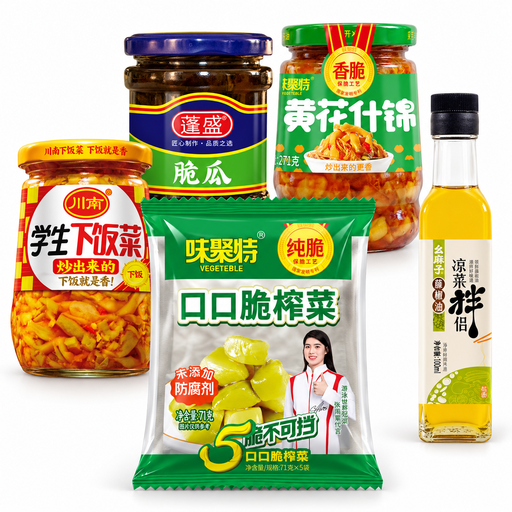
Pickled Mustard Tuber Side Dish Meal Set
Why it suits this shopper: This set brings together several Chinese side dishes, including pickled cucumbers, mustard stems, mixed vegetables and a dressing. It’s a good choice for households that regularly serve rice, noodles or congee.
The individual items and their quantities are listed, so you can see that this is an assortment rather than one large jar.
A range of flavours, weighing around 1161 g in total, plus 180 ml, with a variety of ways to enjoy them.
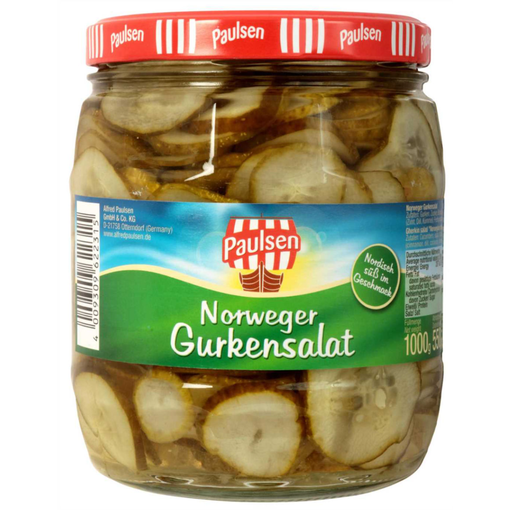
Paulsen Norwegian Sweet Pickled Cucumber Salad 1kg
Why it suits this shopper: This sweet-and-sour cucumber salad comes in a 1 kg tub, making it a good option for larger households, parties or regular barbecues. It’s made in Germany.
The drained weight of 550 g is stated alongside the total pack weight. This makes it easier to work out how much vegetable you’ll actually have.
A large pack of thinly sliced cucumbers with a clearly stated sweet-and-sour flavour.
Looking for more options?
We’ve put together a complete, regularly updated list of products that meet these strict selection criteria and fully comply with EU safety regulations.
Frequently asked questions about pickled vegetables
How long do pickled vegetables keep after opening?
It depends on the product and its storage instructions. Opened jars should generally be refrigerated, sealed properly and used within the stated time. Tinned products may need to be transferred to a suitable airtight container. Always follow the information provided by the manufacturer.
Are pickled vegetables always fermented?
No. Vegetables can be preserved using vinegar, acidifying agents, pasteurisation or fermentation. Check the ingredients list and product description to find out how they’re made. The term ‘fermented’ shouldn’t be used as a catch-all for every type of pickle.
What should people with allergies look out for?
Common ingredients to watch for include mustard, celery, soya, sesame, fish and sulphites. Sweeteners or aspartame may also be important for some people. Check the allergen information for every product before buying, especially with Asian pickles and mixed sets.