
Buying Pickled Vegetables: A Guide to Choosing Gherkins, Kimchi and Vegetables in Jars
Pickled vegetables are practical for households: they complement sandwiches, salads, hot dishes and cold platters, without requiring fresh vegetables to be prepared at short notice. However, there are clear differences between pickled gherkins, sour pickles, cornichons, kimchi, mixed pickles and pickled asparagus when it comes to flavour, ingredients, portion size and storage.
Common pitfalls when buying pickled vegetables
1. Drained weight and jar size are overlooked
The stated “370 ml” or “720 ml” usually describes the volume of the entire jar, including the brine. For a meaningful comparison, the drained weight is more important. A larger jar is not automatically better value if a high proportion consists of liquid or if the product can only be used for a few days after opening.
2. The sweetness and salt content do not suit the planned dish
Gherkins in a sweet-and-sour brine work well in cucumber salad or on smørrebrød, but they may taste different on a savoury sandwich than classic pickled gherkins. Asian pickles and Indian mixed pickles can also have a significantly higher salt content. According to the product information, SWAD Mixed Pickles, for example, contains 10.4 g salt per 100 g. The nutrition table should therefore be checked before buying.
3. Allergens and storage instructions are only read after purchase
Mustard seeds, mustard, soya or sesame are found in many pickled products. Vegan preserves can also contain allergens that must be declared. Refrigeration is often required after opening. Information such as “can be stored at room temperature when unopened” does not replace the instruction “keep refrigerated after opening”.
Important selection criteria for jarred vegetables
Ingredients list and flavour profile
The ingredients provide a more objective indication than terms such as “traditional” or “gourmet”. Classic pickled gherkins typically contain gherkins, vinegar, salt, dill, onions and mustard seeds. Cornichons are usually smaller and are ideal as part of a cheese or charcuterie board. Sliced gherkins, on the other hand, can be added straight to burgers, hot dogs and sandwiches.
With kimchi, consider the type of cabbage, heat level, seasonings and intended use. Kimchi can be served as a side dish or used in stews, fried rice and noodle dishes. In Indian mixed pickles, mango, lime, chilli and spices such as fennel or fenugreek create a particularly bold flavour profile.
Packaging, quantity and managing opened jars
Jars are practical, resealable and suitable for stocking up. However, the key factors are net quantity, drained weight and the recommended time for consuming the product after opening. Small jars are suitable for occasional snacks. Larger formats such as 720 ml or 1 kg make sense if cucumber salad, side dishes and toppings regularly feature on the menu.
Nutritional values, allergens and labelling
When comparing products per 100 g, pay particular attention to sugar, salt, energy and, where applicable, fat. Ingredient and allergen labelling must be clear and traceable in Germany and the EU. The products mentioned here explicitly declare mustard, soya or sesame, among other allergens. You should also check the best-before date, country of origin and storage conditions on the packaging.
Our selection by shopping profile
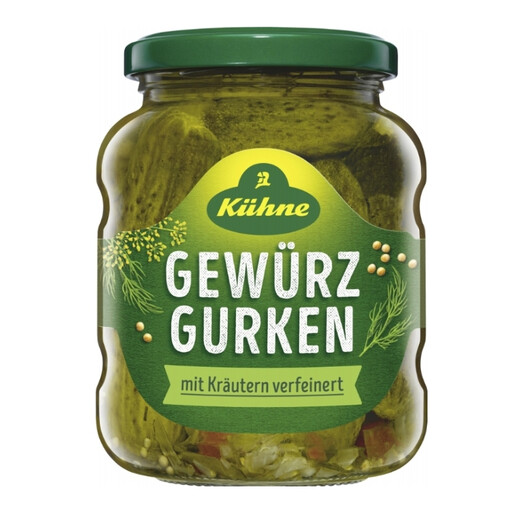
Kühne Herb Pickled Gherkins 370ml
Why this product suits the profile: The 370 ml jar offers a manageable quantity for trying classic German pickled gherkins for the first time. Dill, onions, paprika and mustard seeds complement sandwiches, sausages and cheese boards.
The ingredients list and salt content of 1.6 g per 100 g are provided. Mustard is declared as an allergen, and refrigeration after opening is clearly recommended.
Vegan and lactose-free according to the product information; 30 kcal per 100 g and versatile as a side dish.
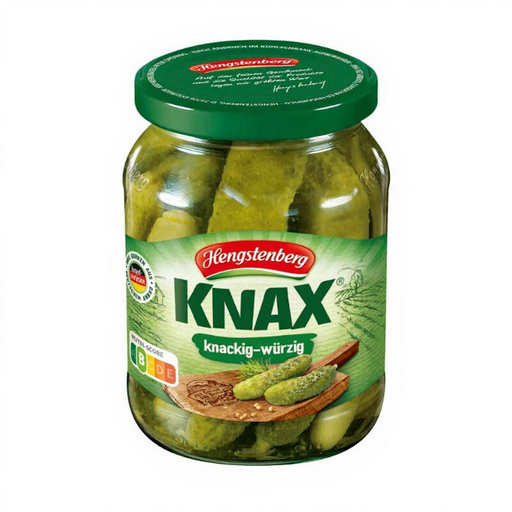
Hengstenberg Knax Crunchy Pickled Gherkins 370ml
Why this product suits the profile: The compact jar size, crisp texture described for the product and seasoning with dill and mustard seeds suit classic German meals as well as cold platters.
The jar format makes it easier to plan quantities. According to the product information, it contains no gluten, milk, soya or other allergens; mustard is listed separately.
370 ml contents, 25 kcal per 100 g and made in Germany according to the product description.
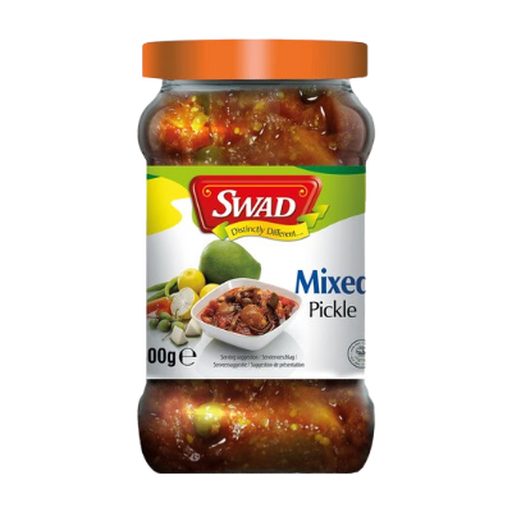
Mixed pickles SWAD jr 300g
Why this product suits the profile: Mango, carrot, lime and green and red chillies bring Indian spice to rice, curries and noodle dishes. This product is ideal for households looking for an alternative to sour pickles.
The product information lists the individual vegetable proportions, spices, allergens and salt content. Refrigerated storage is required after opening.
300 g contents, 18% mango, 18% carrot and 18% lime according to the declaration; halal-certified according to the product information.
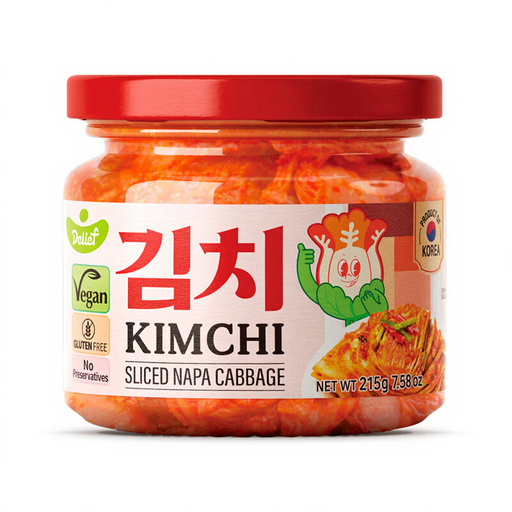
Delief Sliced Napa Cabbage Kimchi Bottle 215g
Why this product suits the profile: Sliced Chinese cabbage in a 215 g bottle can be portioned as a side dish, topping or cooking ingredient for stews and fried rice.
The bottle size limits the amount left over after opening. According to the product information, refrigeration is not required before opening; the best-before date is shown on the packaging.
Sliced Chinese cabbage with versatile uses as a side dish, cooking ingredient or topping.
More suitable options
For a mild side dish with potatoes, fish or cold platters, pickled asparagus is a good choice. According to the product information, Küstengold White Asparagus Spears contain asparagus, water, salt and citric acid; after opening, the jar should be refrigerated and consumed within a few days.
For hot dishes, pickled mushrooms are practical. Küstengold Sliced Button Mushrooms are already sliced and can be added to pasta, soups, pizza or casseroles. If you need larger quantities, cucumber salad is also available in 720 ml and 1 kg formats. For sandwiches, sliced Kühne Sandwich Pickles are particularly easy to use, while cornichons are generally served in individual portions.
Looking for more options?
We have put together a complete, regularly updated list of products that fully meet these strict selection criteria and the safety regulations applicable in the EU.
Frequently asked questions about pickled vegetables
How long do pickled vegetables keep after opening?
It depends on the product. Many gherkins should be refrigerated after opening and consumed within a few days. Other products may have a longer stated shelf life. The packaging and manufacturer’s instructions are always decisive. The vegetables should remain fully covered with brine and should only be removed with clean utensils.
Do unopened pickled vegetables need to be kept in the fridge?
Not necessarily. Many shelf-stable jars can be stored unopened in a cool, dry place protected from direct sunlight. Kimchi and other fermented products may have their own storage instructions. Refrigeration is usually required after opening.
Which pickled products go well with sandwiches and salads?
Sliced Sandwich Pickles, cornichons and crunchy pickled gherkins are ideal for sandwiches. Cucumber salad works as a sweet-and-sour side dish with cold platters and grilled food. Mixed pickles, kimchi and pickled mushrooms make excellent toppings or ingredients for rice, noodle and hot vegetable dishes.