
Buying Asian Spices and Pickled Vegetables: A Guide to Choosing Ingredients for Flavourful Dishes
Asian spices and pickled vegetables bring acidity, heat, umami and depth of flavour to your home cooking. Ready-to-use ingredients are practical for stir-fries, rice bowls, sandwiches, salads and Sichuan recipes, and are often more affordable than building up a large collection of individual components. However, jars, spice blends and seasoning kits can vary considerably in salt content, heat, ingredients and intended use.
Common Buying and Marketing Pitfalls
1. The level of heat is not clearly indicated
Descriptions such as “chilli”, “hot” or “Spicy” do not always provide reliable guidance. Dried chillies can vary considerably depending on the variety and growing conditions. Whole Chaotian chillies, for example, are suitable for chilli oil, braised dishes or cooking in a dish, but should be used carefully. With jarred jalapeños or pickled peppers, vinegar, salt and sugar also affect the flavour.
2. Drained weight and jar volume are confused
For pickled vegetables, the stated quantity in grams or millilitres does not always represent the amount that can actually be eaten. Some of the jar's contents consist of brine. Sunlee Seasoned Pickled Green Mustard, for example, is listed with a total weight of 350 g and an approximate drained weight of 280 g. The drained weight is therefore particularly relevant when working out recipe quantities and comparing prices.
3. Salt and allergens are overlooked during quick purchases
Pickled mustard greens, pickled Chinese cabbage and seasoning bases for Suan-Cai-Yu dishes often contain a lot of salt. According to product information, some fish seasonings contain more than 8 g of salt per 100 g. This should be taken into account when planning a recipe: you may be able to leave out additional soy sauce or salt.
They may also contain soya, wheat, mustard, sesame, peanuts or sulphites. If you cook vegetarian or vegan food, check not only the vegetable component but the complete ingredients list. A product containing pickled vegetables may still include animal-derived ingredients in a separate seasoning component.
Three Parameters to Consider Before Buying
Ingredients list and the flavour profile you want
Traditional Chinese spices often include Sichuan pepper, star anise, cinnamon, fennel, ginger, dried orange peel or cardamom. A Sichuan spice blend works well with stir-fries and braised dishes, while a fish seasoning with sauerkraut is already balanced around acidity, chilli and pickled mustard greens.
Also check whether the product is described as ready to use. Gherkins, cornichons, pickled cucumbers and pickled peppers can be served straight away. Seasoning kits for fish or braised dishes, on the other hand, need to be cooked.
Salt content, sugar and acidulants
With pickled vegetables, salt, vinegar or lactic acid fermentation provide preservation and flavour. However, these methods are not interchangeable: vinegar-forward gherkins taste different from fermented mustard greens. Information per 100 g makes comparisons easier.
For products containing sugar or glucose-fructose syrup, it is worth checking the nutrition table. Kühne Wild Garlic Seasoned Pickled Gherkins, for example, are listed as containing 50 kcal and 9.3 g of sugar per 100 g, while Hengstenberg Knax Crunchy Spiced Pickled Gherkins contain 24 kcal and 3.9 g of sugar per 100 g according to the product description.
Packaging, storage and portion size
Jars of 370 ml or 720 ml suit different households. A smaller jar is sensible for occasional use, while regular users may benefit from multipacks or larger containers. Many products need to be refrigerated after opening. The gherkins or vegetables should remain covered by the brine as far as possible; ideally, use a clean fork to remove them.
Store dry spices such as dried chillies or braising spice in an airtight container, somewhere dry and dark, protected from moisture. With seasoning kits, you should also check how much water, fish, meat or vegetables need to be added according to the pack instructions.
Our Selection by Cooking Style
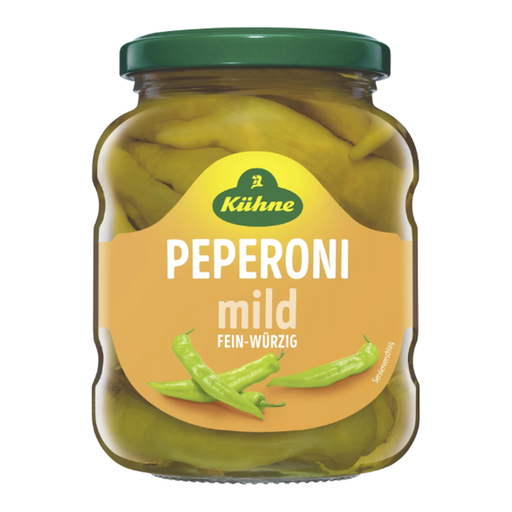
Kühne Mild Spiced Pickled Pepperoni 370ml
Why this product suits this profile: The mildly pickled peppers can be served with pizza, salads, sandwiches or cheese without any preparation. The 370 ml jar is suitable for regular use without providing excessive quantities.
The product information clearly states the ingredients, salt content and allergens. The description “mild” helps distinguish the expected level of heat from very hot chillies.
370 ml content, vegetarian and vegan according to the product description; 31 kcal and 1.4 g of salt per 100 g.
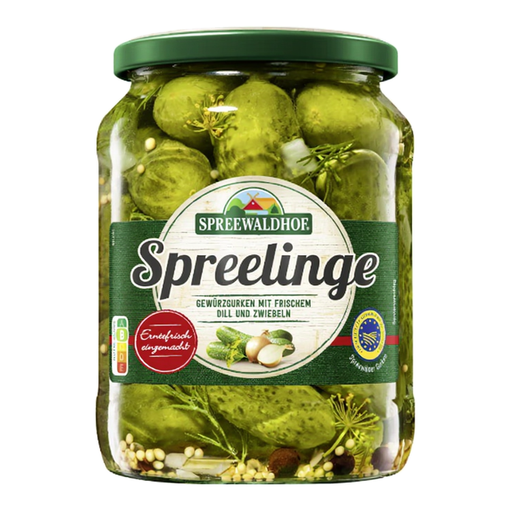
Spreewaldhof Get UP Spiced Pickled Gherkins 720ml
Why this product suits this profile: The larger jar is ideal for households that enjoy pickled cucumbers with bread-based meals, salads, cheese platters or as a side dish.
The product description states 35 kcal per 100 g, vegetarian suitability and a gluten-free recipe. Refrigerated storage at 2–7 °C is specified after opening.
720 ml jar, dill and onion flavour, suitable as a side dish, snack or sandwich ingredient.
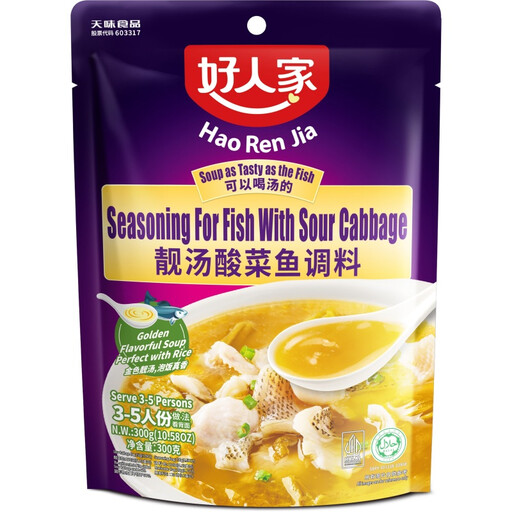
Hao Ren Jia Seasoning for Fish with Sour Cabbage, 300g
Why this product suits this profile: This seasoning kit is designed for Suan-Cai-Yu dishes, combining pickled mustard greens with a soup base. It is aimed at cooks looking for several components in one pack.
The packaging information lists the preparation method, portion basis and allergens. With 18 g of salt per 100 g, the rest of the seasoning should be used sparingly.
300 g total content, a seasoning base with pickled vegetables, plus separate information on soya, sesame and peanuts.
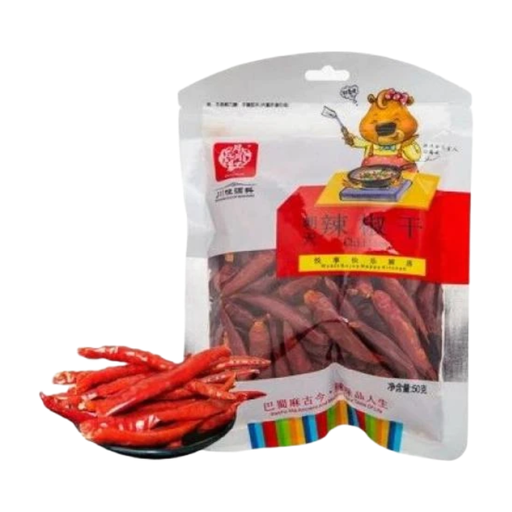
Yueyuehong Dried Chili Peppers 50g
Why this product suits this profile: Whole dried Chaotian chillies offer flexible dosing for chilli oil, soups, stir-fries and braised dishes.
The pack contains 50 g of whole chillies. This allows you to adjust the quantity gradually rather than using a powder that has already been heavily dosed.
Whole chillies for chilli oil, flakes or powder; airtight, dry and dark storage is recommended.
Looking for more options?
We have put together a complete, regularly updated list of products that fully meet these strict selection criteria and the safety regulations applicable in the EU.
Practical Combinations for Your Kitchen
- For bread-based meals and sandwiches: Gherkins, pickled cucumbers or cornichons add acidity and crunch. Wild garlic or herb varieties complement cheese, potato salad and cold platters.
- For pizza, burgers and salads: Pickled peppers and jarred jalapeños can be used in portions as needed. If the brine is salty, reduce the amount of additional seasoning.
- For Suan-Cai-Yu dishes: Fish seasoning with sauerkraut, or a Suan-Cai-Yu seasoning, usually combines pickled mustard greens, chilli and a seasoning base. Allergens and salt content are particularly important to check before buying.
- For vegan braised dishes: A braising spice blend with star anise, cinnamon, Sichuan pepper and dried orange peel can flavour tofu, mushrooms, eggs or vegetables. The specific ingredients list determines whether the product is suitable for vegans.
- As a snack or topping: A kimchi seaweed snack goes well with rice and bowls. Sesame is listed as an allergen for Dongwon Torn and Seasoned Laver Kimchi Flavour; traces of fish, soya or shellfish may be present.
FAQ About Asian Spices and Pickled Vegetables
How long do pickled cucumbers keep after opening?
This depends on the specific product and the manufacturer's instructions. Opened jars should generally be refrigerated, handled with clean utensils and sealed securely. The cucumbers or vegetables should remain covered by the brine as far as possible. Do not use the product if there is an unusual smell, the jar is damaged, the seal is broken or the liquid is noticeably cloudy.
Do pickled mustard greens need to be rinsed before use?
Not necessarily. With very salty products, briefly rinsing or soaking them can reduce the salty flavour. The mustard greens should then be drained well. For Suan-Cai-Yu seasoning kits, follow the preparation instructions on the packaging, as the brine may be part of the intended seasoning.
Which is more affordable for beginners: individual ingredients or a ready-made spice blend?
Individual ingredients give you greater control over heat and flavour, but require several separate purchases. Ready-made blends save time and make dishes such as Suan Cai Yu or braised recipes easier to prepare. For a meaningful price comparison, consider pack size, any additional ingredients required, drained weight and salt content together.