
Buying Pickled Vegetables: A Guide to German and Asian Side Dishes
If you want to buy pickled vegetables, you’ll find a wide selection online, from sauerkraut and red cabbage in jars to Chinese mustard greens, Vietnamese pickles and pickled turnips. However, the products can vary considerably in terms of ingredients, salt content, packaging, uses and storage. A low price or eye-catching label alone therefore says little about which option is right for you.
Common pitfalls when buying pickled vegetables
1. “Fermented” doesn’t always mean the same thing
The terms fermented vegetables, “pickled” and “preserved” are sometimes used similarly by retailers. When shopping, what matters is which ingredients are actually listed on the label. Acids such as vinegar or citric acid indicate that the product has been acidified. With fermented vegetables, lactic acid bacteria and a longer maturation process may play a role. However, you should not draw any general conclusions about potential health benefits from this alone.
2. Serving size and drained weight are often overlooked
A 720 ml jar or a 400 g tin does not automatically correspond to a specific edible quantity. With tinned vegetables, part of the contents may consist of liquid. You should therefore check the net quantity and drained weight, where stated. Smaller packaging may be more practical for a single-person household, while families and frequent users can plan their supplies more easily with larger packs.
3. Salt, sugar and allergens are not the focus of the marketing
Depending on the recipe, sour side dishes can contain significantly different amounts of salt or sugar. Asian pickled vegetables may also contain fish sauce, soya, wheat, mustard or sulphites. If you need to take allergies or intolerances into account, read the ingredients list and allergen information before buying. Don’t base your decision solely on product images or flavour descriptions.
Important buying criteria
Ingredients list and flavour profile
Mild or delicately seasoned sauerkraut is often a better match for classic German dishes than strongly spiced mustard greens. If you want to buy sauerkraut, you can choose between plain white cabbage, wine sauerkraut and varieties with additional spices. Mild side dishes are often easy to pair with roasts, sausages and potato dishes.
Red cabbage in a jar or pouch is generally seasoned with a sweet-and-sour flavour. Check the percentage of vegetables, as well as the sugar, vinegar and thickening agents. A product with a short ingredients list can make further preparation easier, while seasoned varieties can be served straight away.
Chinese mustard greens and Vietnamese pickles commonly contain additional ingredients such as chilli, garlic, ginger, fish sauce or seasoned oils. This affects whether the product is best suited to rice dishes, noodles, soups or meat dishes.
Salt and sugar content per 100 g
The nutrition table allows you to make an objective comparison. Several products in the selection have a higher salt content, including Green Deer King Pickled Mustard Greens, which product information states contain 12 g of salt per 100 g. Ji Xiang Ju Aromatic Pickled Mustard Greens are listed as containing 5.84 g of salt per 100 g. Products like these are better suited to being served in small portions or used as a seasoning ingredient. Briefly rinsing some products can reduce their saltiness, although it will also alter the flavour.
For sweet-and-sour pickles, it is worth checking the sugar content. According to the product information, the Ngọc-Liên products contain sugar and sweeteners. Your intended use is therefore an important factor when choosing: will you serve them as a crunchy side dish, add them to a salad or use them to season a hot dish?
Packaging and storage
Glass jars, tins, pouches and plastic packaging each have different practical advantages. A jar can usually be resealed after opening, while leftovers from tins should be transferred to a suitable container. Unopened products are often stored in a cool, dry place. Once opened, refrigeration is generally required; the specific recommended consumption period can be found on the label.
You should also check the best-before date, importer information and any warnings. Allergens should be checked particularly carefully in products containing fish sauce, sulphites, mustard, soya or wheat.
Our selection by buyer profile
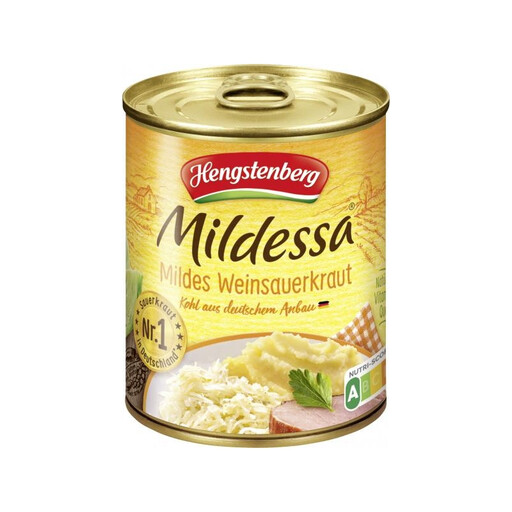
Hengstenberg Mildessa Wine Sauerkraut 850ml
Why this product suits this profile: This vegan sauerkraut in an 850 ml pack is ideal as a classic side dish for everyday German meals. It can also be used in soups or salads.
The ingredients list names white cabbage, wine and salt. This makes it easier to assess the product before buying, without having to consider a long list of spices or additives.
According to the product information, vegan, gluten-free and contains 22 kcal and 1.1 g of salt per 100 g.
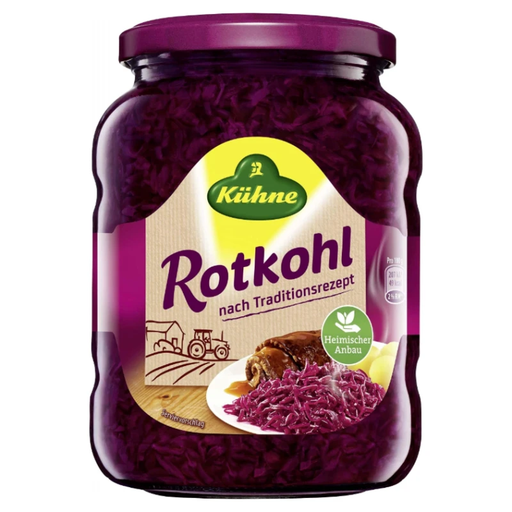
Kühne Traditional Recipe Pickled Red Cabbage 720ml
Why this product suits this profile: This jarred red cabbage is designed for classic German main courses, salads and cold side dishes, and can be served by the portion.
The glass packaging and stated fill quantity make it easier to plan your supplies. You should still check the ingredients for sweetness and acidity before buying.
720 ml jar with versatile uses alongside roasts, sausages, potato dishes, salads or sandwiches.
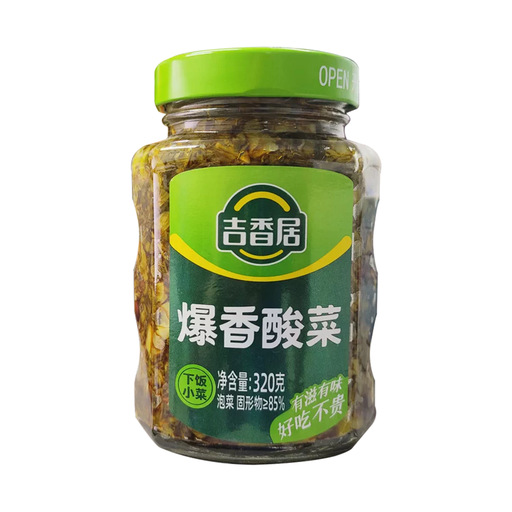
Ji Xiang Ju Aromatic Pickled Mustard Greens 320g
Why this product suits this profile: These Chinese mustard greens are intended for stir-fries, soups, mixed noodles and serving directly as a side dish.
The listed allergens — soya, wheat and sulphites — make it possible to check whether the product is suitable before buying. Its salt content of 5.84 g per 100 g should be taken into account when planning portions.
320 g pack seasoned with chilli, ginger and garlic; according to the product information, suitable for cooking or serving directly.
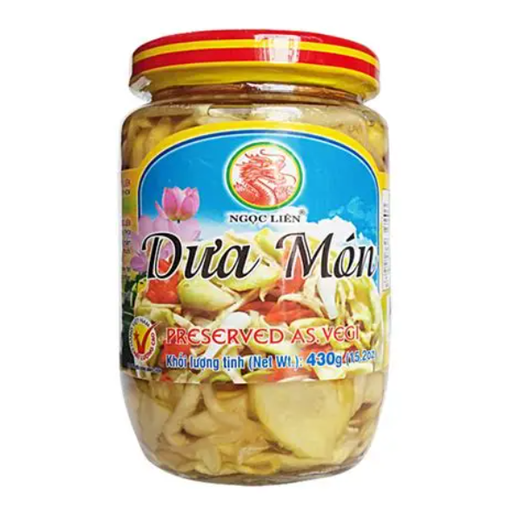
Ngọc Liên Preserved Fermented Greens (Dưa Chua/ Dưa Môn Huế) 430g
Why this product suits this profile: These Vietnamese pickles combine papaya, radish, carrot, leek, cucumber, garlic and chilli in a fish sauce brine.
The ingredients and allergen information explicitly identify fish and sulphites, as well as a source of phenylalanine. This helps prevent unsuitable purchases for people with specific dietary requirements.
430 g pack and, according to the product information, suitable for rice dishes, sticky rice, grilled meat and festive meals.
Looking for more options?
We’ve put together a complete, regularly updated list of products that fully meet these strict selection criteria and the safety regulations applicable in the EU.
Serving ideas for pickled vegetable side dishes
- Sauerkraut: with potatoes, sausages and roasts, or as a base for soups.
- Red cabbage in a jar: as a side dish with dumplings, game, roulades or vegetarian patties.
- Chinese mustard greens: finely chopped and added to fried rice, noodles, congee or soups.
- Vietnamese pickles: with rice bowls, grilled meat, sticky rice and festive dishes.
- Pickled turnips and mixed vegetables: as a sharp contrast to rich or fattier foods.
FAQs about buying pickled vegetables
How long do pickled vegetables keep?
Unopened jars, tins and pouches can generally be stored until the printed best-before date, provided the packaging is undamaged and the stated storage conditions are followed. Once opened, the product should be kept in the fridge. The specific recommended consumption period is stated on the packaging or in the product information.
Should pickled vegetables be rinsed before eating?
This depends on the product and your taste preferences. Strongly salted mustard greens can be rinsed briefly if you prefer a milder seasoning. With sweet-and-sour pickles or sauerkraut, however, rinsing will alter the acidity and flavour profile. Only use the brine if it suits the intended dish.
What should you check particularly carefully when buying online?
Pay attention to fill quantity, ingredients, allergens, salt and sugar content, best-before date and storage instructions. For households with specific dietary requirements, fish sauce, mustard, soya, wheat, sulphites and sweeteners are important points to check. This makes it easier to choose products that suit your dish, portion size and cupboard space.