
Buying Chilli Bean Paste: A Guide to Choosing for Sichuan Dishes, Wok and Rice
Chilli bean paste is a concentrated seasoning paste for Mapo Tofu, noodle dishes, rice, stir-fries and braised dishes. When buying it in the UK, it's not just about heat levels and brand names. What really matters are the type of bean, fermentation method, salt content, allergens and how you plan to use it.
Common Pitfalls When Buying Chilli Bean Paste
1. Confusing chilli oil with chilli bean paste
A Chinese chilli sauce or chilli crisp can be made mainly from oil, chilli pieces and spices. A classic chilli bean paste, on the other hand, usually contains fermented broad beans, chilli and salt. For Mapo Tofu or Sichuan braised dishes, this gives a completely different flavour base compared to plain chilli oil.
2. "Doubanjiang" doesn't always mean the same thing
Doubanjiang generally refers to a fermented bean paste. Pixian Doubanjiang traditionally comes from the Pidu area in Sichuan and is typically made from broad beans, chilli, salt and wheat flour. Other products labelled Doubanjiang may contain soya beans, added oils, sugar or spice blends. The ingredients list is therefore more revealing than the front of the jar.
3. Salt and allergens are often underestimated
Fermented pastes are frequently high in salt, which is why they're used in small amounts. For example, LEE KUM KEE Chili Bean Sauce Toban Djan states 11.3 g of salt per 100 g; Chuan Lao Hui Red Oil Pixian Douban has 22 g per 100 g. What's more, soya beans, wheat or gluten, peanuts, sesame or sulphites may be present. Before buying, you should check the ingredients and allergen information against your own requirements.
Which Features Matter Before You Buy
1. Bean base and fermentation type
For Sichuan dishes, a paste made with broad beans and chilli is usually the best fit. You'll find this combination in Pixian Doubanjiang and many varieties of Chinese chilli bean paste. A fermented bean paste based on black beans, also known as Douchi, is more commonly used as a seasoning component for rice, noodles, vegetables or steamed dishes.
For Korean dishes, Gochujang is a different product category. This Korean hot paste typically contains chilli, grains and soya beans, and often has a sweeter taste. Korean black bean paste such as Chunjang, or a spicy version of it, is intended for Jajangmyeon and is not automatically a substitute for Sichuan seasoning paste.
2. Salt content and ingredients list
Compare the nutritional information per 100 g and check whether sugar, oil, preservatives or flavour enhancers are included. A lower salt content doesn't automatically mean a more suitable flavour, but it can be relevant for everyday portion control.
Also pay attention to the order of ingredients. For instance, LEE KUM KEE Sichuan Style Toban Chili Sauce states a 30 % proportion of Pixian Doubanjiang. With other products, chilli, broad beans and salt appear at the top of the list. These details help you distinguish a pure paste from a pre-mixed Chinese seasoning sauce.
3. Jar size and intended use
For occasional cooking, a jar between 200 g and 400 g is usually sufficient. If you regularly prepare Mapo Tofu, Dan-Dan noodles, stir-fries or marinades, you'll find 500 g to 750 g more economical. For catering businesses and heavy users, larger containers such as 800 g make sense, provided the paste is used within the recommended time.
Once opened, the jar should be stored according to the packaging instructions. For several of the products mentioned, refrigeration after opening is recommended. Use clean utensils and seal the jar carefully afterwards.
Recommendations for Different User Profiles
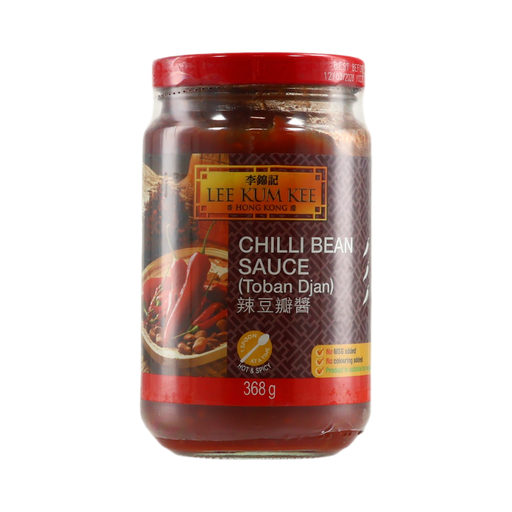
LEE KUM KEE Chili Bean Sauce Toban Djan 368g
Why this product fits the profile: The handy jar size is ideal for your first Mapo Tofu, stir-fry and braised dishes, without committing to a large container straight away.
The product description mentions fermented beans and its use as a cooking base. The ingredients and allergen information also highlight wheat and soya beans.
368 g container; according to the product information, fry it in oil before further preparation.
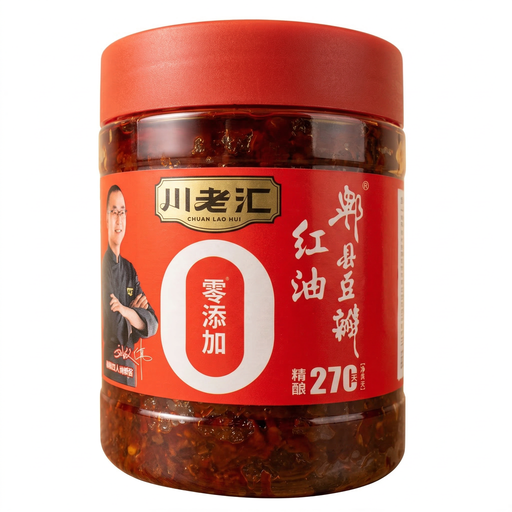
Chuan Lao Hui Red Oil Pixian Douban 500g
Why this product fits the profile: The name Pixian Doubanjiang and the listed ingredients of broad beans, chilli and wheat flour appeal to those specifically looking for a Sichuan base.
The product information states its use as a base for Mapo Tofu, Twice-Cooked Pork and braised dishes. The salt content of 22 g per 100 g should be taken into account when planning recipes.
500 g container; according to the product description, it contains red oil and Sichuan pepper in the spice list.
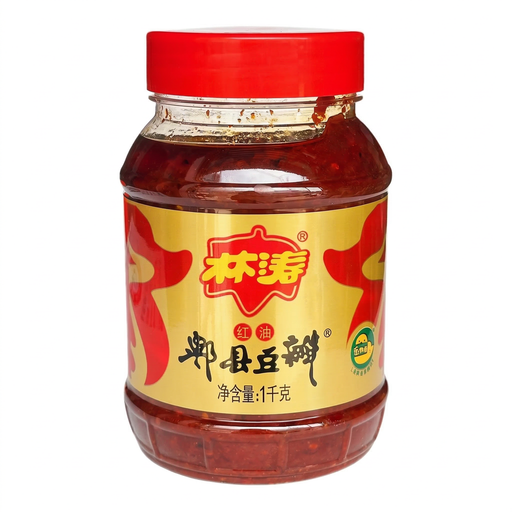
Lintao Pixian Chili Bean Sauce 750g
Why this product fits the profile: The 750 g container is aimed at households with regular consumption, as well as heavy users and professional kitchens.
The product information lists broad beans, chilli, salt and wheat flour. This makes it easy to distinguish from oil-heavy chilli crisp varieties.
750 g container; according to the product information, refrigerate after opening and keep the surface covered with oil.
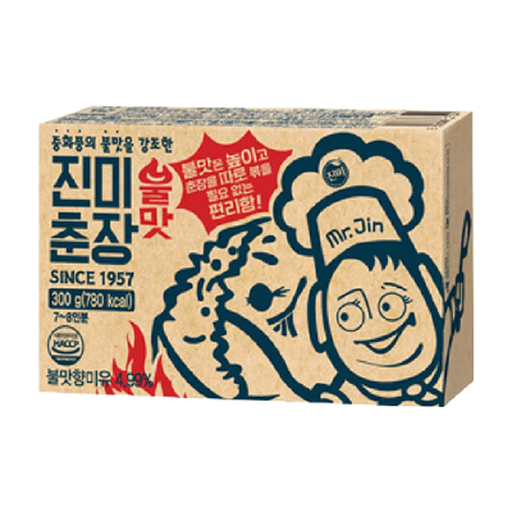
Jinmi Black Bean Paste Spicy 300g
Why this product fits the profile: This paste is specifically a Korean black bean paste and, according to the product information, is suitable for spicy Jajangmyeon, marinades, stews and stir-fries.
The clear focus on Chunjang and Jajangmyeon prevents a Korean paste from being mistakenly used as Sichuan Doubanjiang.
300 g container; according to the ingredients list, it contains soya beans and wheat flour among other things.
Looking for more options?
We've put together a full, regularly updated list of products that fully meet these strict selection criteria and the safety regulations in force in the EU.
Preparation and Portioning in Everyday Cooking
For many recipes, chilli bean paste is first fried briefly in a little oil. Over a medium heat, one to two tablespoons is usually enough; the exact amount depends on the salt content, heat level and number of portions. Once the aroma develops and red oil starts to separate, you can add onions, garlic, vegetables, tofu or meat.
With chilli oil containing fermented black beans, an additional frying step is often unnecessary, as the product may already be oil-based and ready to eat. These varieties work well as a topping for rice, noodles, congee or steamed dumplings. For a sauce, you can combine them with stock, soy sauce and a little acidity.
Frequently Asked Questions About Chilli Bean Paste
Is Doubanjiang the same as chilli bean paste?
Doubanjiang is a type of chilli bean paste, but not every paste has the same recipe. Pixian Doubanjiang is typically based on fermented broad beans and chilli. Products with black beans, added oil or a sweeter seasoning belong to related but different product categories.
How long does chilli bean paste last after opening?
This depends on the individual label. Several products recommend refrigerating the jar after opening and using it within a certain period. Using clean utensils, keeping the jar well sealed and storing it according to the manufacturer's instructions will help prevent unnecessary loss of quality.
Can you substitute Gochujang for Chinese chilli bean paste?
Only to a limited extent. Gochujang usually tastes sweeter and is commonly used with rice, soups, dips and Korean marinades. For Mapo Tofu and other Sichuan dishes, a paste made with fermented broad beans is generally more suitable. The specific ingredients list and the dish you're making should guide your choice.