
Buying Chili Bean Paste: Avoiding Common Pitfalls
Anyone who wants to prepare authentic Asian dishes at home quickly discovers that one ingredient is indispensable: fermented bean paste. But trying to buy the right chili bean paste can quickly become overwhelming. The shelves—whether physical or digital—are filled with countless jars and packets whose labels often seem cryptic to the uninitiated. This frequently leads to costly mistakes that not only strain your budget but also compromise the final dish.
Before you make a decision, you should be aware of the three most common pitfalls:
- Misleading Labels: Many products advertise themselves as "Sichuan-style" but don't contain the traditional ingredients or undergo the necessary fermentation process of a true Pixian bean paste. The result is a one-dimensional flavor that lacks the characteristic depth.
- Incorrect Application: There's a fundamental difference between a cooking base like Doubanjiang, which is meant to be fried, and a condiment oil like Lao Gan Ma, which is used as a topping. Confusing the two often results in a dish that is either oily or insufficiently seasoned.
- Unpredictable Salt Content: Fermented pastes are naturally salty, but the level varies greatly between brands. Without knowing the salt content, a dish can quickly become inedible, as getting the amount right becomes a delicate balancing act.
This guide will help you overcome these hurdles and find the perfect paste for your culinary project.
What to Look For When Buying: The Key Differentiators
To make the right choice, it helps to understand three core parameters that define the character of a bean paste. These features determine its flavor, texture, and ideal use in the kitchen.
The Bean Base: Fava Bean, Soybean, or Black Bean?
The type of bean is the foundation of the flavor profile. Each variety brings a different note to the fermented bean paste.
- Fava Beans: These are the traditional base for the famous Pixian bean paste from Sichuan. Through months of fermentation, they develop a deep, earthy, and complex umami flavor, considered the "soul of Sichuan cuisine."
- Soybeans: These are found in many general-purpose bean pastes. They provide a salty, savory base flavor that is often less complex than that of fava beans.
- Black Soybeans (Douchi): These fermented beans are the main ingredient in Korean black bean paste (Chunjang). They have an intensely salty, slightly sweet, and very distinct flavor essential for dishes like Jajangmyeon. They are also a key component in many Chinese condiment oils.
Paste Texture and Oil Content: For Cooking or for Finishing?
The consistency reveals a lot about the intended use.
- Thick Pastes: Products like Doubanjiang have a dense, paste-like consistency. They typically need to be fried in hot oil at the beginning of the cooking process to release their full aroma and red color. They are a Sichuan seasoning paste that serves as a flavor base for dishes like Mapo Tofu.
- Oil-Based Condiments: Products like Lao Gan Ma consist of solid ingredients (e.g., chilis, fermented beans, nuts) in a large amount of oil. They are ready-to-eat and are used at the end of cooking or at the table as a topping for rice, noodles, or dumplings.
Origin and Purpose: Sichuan, Korean, or All-Purpose?
The geographical origin is often an indicator of flavor and use. An authentic Pixian bean paste carries a protected geographical indication and represents a specific fermentation process. A Korean black bean paste is not interchangeable in flavor with Chinese varieties. For beginners or versatile applications, there are also more general Asian cooking pastes that cover a broader range of dishes.
Your Chili Paste Selections
Based on the criteria above, we have compiled a selection of products tailored to specific culinary needs.
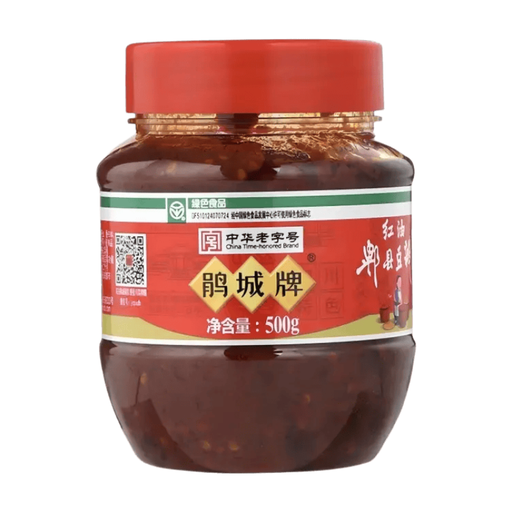
Juan Cheng Red Oil Pixian Bean Paste 500g
Why This Fits Their Persona: Ideal for chefs who want to replicate the authentic, deep, and complex flavor of dishes like Mapo Tofu or hot pot without compromise. The Juan Cheng brand is renowned for its traditional production methods.
This is a genuine Pixian bean paste based on fava beans and certified as an intangible cultural heritage. It bypasses the trap of superficial "Sichuan-style" products.
Deep umami flavor from long fermentation; vibrant red oil when fried; a versatile cooking base for countless Sichuan dishes.
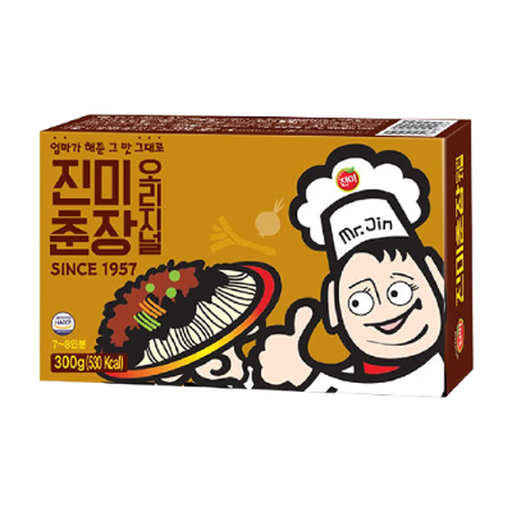
Jinmi Black Bean Paste 300g
Why This Fits Their Persona: Perfect for anyone wanting to authentically prepare the iconic Korean dish Jajangmyeon (noodles in black bean sauce) at home.
This is the specific Korean Chunjang paste required for Jajangmyeon. It prevents the mistake of buying a Chinese chili bean paste, which has a completely different flavor profile.
Authentic, deep-savory, and slightly sweet flavor; a creamy consistency that blends well into a sauce; the essential base for Korean-Chinese cuisine.
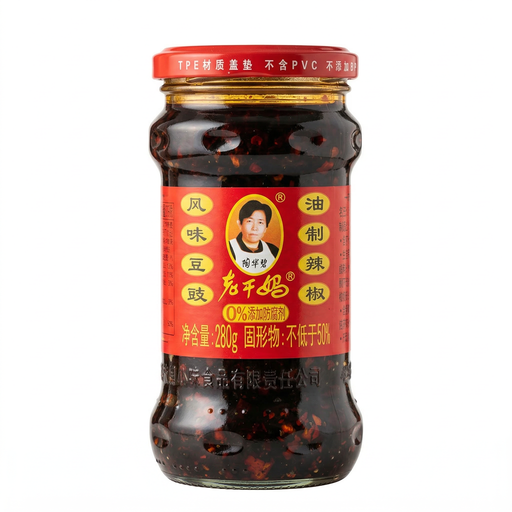
Lao Gan Ma Preserved Black Bean in Chilli Oil 280g
Why This Fits Their Persona: For anyone looking for a straightforward, ready-to-use condiment to quickly and easily enhance the flavor of rice, noodles, eggs, or vegetables.
This product is a condiment oil, not a cooking base. It solves the problem of accidentally using a raw cooking paste that needs to be fried first.
Ready to use straight from the jar; a complex blend of salty fermented beans and crispy chilis; extremely versatile as a topping and flavor enhancer.
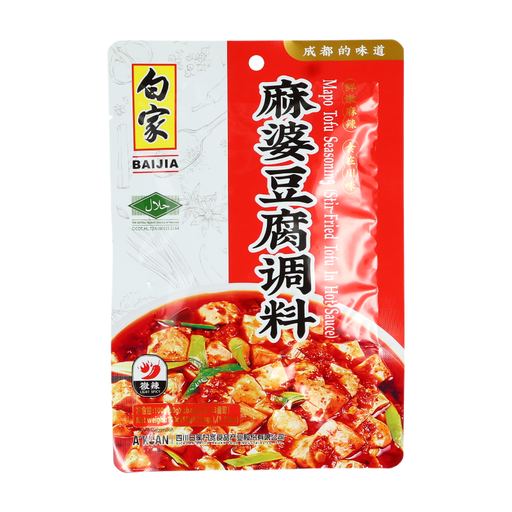
Bai Jia Seasoning - Mapo Tofu 100g
Why This Fits Their Persona: An all-in-one solution for home cooks who want to prepare authentic Mapo Tofu without the guesswork of balancing spices.
This Mapo Tofu Seasoning eliminates the risk of an unbalanced salt and spice level. The two-part system (sauce and thickener powder) ensures a consistent result.
Simple to use with clear instructions; contains all necessary seasoning components, including Sichuan peppercorn; ideal for beginners to confidently prepare a complex dish.
Looking for More Options?
We've curated a complete, up-to-date list of products that fully meet these strict selection criteria and all relevant regulations.
Frequently Asked Questions
What is the difference between Doubanjiang and Gochujang?
Although both are fermented pastes, they are fundamentally different. Doubanjiang is a Chinese paste, typically made from fava beans and chilis, which tastes salty and earthy. It is the base for many Sichuan dishes. Gochujang is a Korean paste made from glutinous rice, fermented soybeans, and chili powder. It has a distinctly sweeter, spicy, and slightly smoky flavor profile. The two are not interchangeable in taste.
How should I store opened bean paste to maximize its shelf life?
Once opened, the paste should be stored in the refrigerator. To extend its shelf life, always use a clean spoon to prevent contamination. For oil-rich pastes like Doubanjiang, it can be helpful to cover the surface of the paste in the jar with a thin layer of vegetable oil to minimize contact with air.
Does Doubanjiang always need to be fried in oil first?
Yes, this is recommended for the best results. Frying the paste over low to medium heat (a process known as "chao hong you" or "frying out the red oil") is a crucial step. It releases the fat-soluble flavor compounds and color pigments from the chilis and the paste, giving the dish its characteristic red color and a deeper, more complex flavor.