
Buying Doubanjiang Chilli Bean Paste: A Guide to Choosing the Right One for Sichuan Dishes
If you're looking to buy Doubanjiang chilli bean paste, you'll find plenty of products in German online shops with similar names: Pixian Doubanjiang, chilli bean sauce, broad bean paste or fermented bean sauce. But the differences go beyond just the brand name. The recipe, salt content, heat level, consistency and pack size all affect whether the paste works for Mapo Tofu, stir-fries or a simple noodle sauce.
Common Pitfalls When Buying Doubanjiang
1. Chilli sauce isn't automatically Doubanjiang
A Chinese chilli sauce can be made mainly from chilli, oil, garlic or spices. Doubanjiang, on the other hand, typically contains broad beans, chilli, salt and wheat flour, and is fermented. This combination creates a savoury, salty and complex flavour base.
Products made with fermented black beans, such as Douchi, are also not the same as a classic chilli bean paste. They can taste strongly of umami, but depending on the recipe they're better suited as a table condiment or noodle accompaniment.
2. Marketing terms are no substitute for reading the ingredients list
Labels like "traditional", "authentic" or "no additives" shouldn't be the deciding factor. What really matters is which ingredients come first. For a Pixian Doubanjiang, beans, chilli, salt and wheat flour should be a clear starting point. Some varieties also contain oil, sugar, soy sauce, spices, acidity regulators or preservatives.
For those with allergies, it's also important to note: several products contain wheat or gluten. Some recipes also include soya beans. Always check the current labelling on the product itself.
3. Bigger jars aren't always better value
Doubanjiang is usually used in small amounts. A recipe often needs just a tablespoon, while a jar can contain 360 g, 500 g or even 750 g. If you don't cook Sichuan food often, it's worth considering not just the unit price, but also how much you'll actually use and how long it keeps after opening.
The Key Buying Criteria
Ingredients and fermentation profile
For classic dishes like Mapo Tofu, twice-cooked pork or Sichuan-style aubergines, a fermented bean paste with chilli is the right base. The flavour, according to the ingredients list, shouldn't be dominated by sugar, oil or artificial flavourings.
With Pixian products, the proportion of Doubanjiang can vary. The LEE KUM KEE Sichuan Style Toban Chilli Sauce, for example, states a declared content of 30% Pixian Doubanjiang and also contains salted and dried chillies. This makes it a ready-to-use Sichuan sauce with a more integrated recipe.
Salt content and how to dose it
Chilli bean pastes are often high in salt. In the product information available, values range from 11.3 g of salt per 100 g for LEE KUM KEE Chilli Bean Sauce Toban Djan to 22 g for Chuan Lao Hui Red Oil Pixian Douban. This means you should start by using the paste sparingly. Add extra soy sauce, stock or salt only after tasting.
Oil, heat and how to use it
Stir-frying in oil is a common step for many Doubanjiang varieties. This releases the red chilli oil and helps the paste spread more evenly through the dish. A variety with visible red oil works well for stir-fries and braised dishes. Milder, pre-mixed sauces can be more practical for beginners.
Also pay attention to the usage instructions: some products are ready-to-cook seasoning pastes, while others are intended as a ready-to-eat condiment. Gochujang belongs to Korean cuisine and, because of its sweeter recipe, is not a direct substitute for a Sichuan chilli bean sauce.
Our Selection by User Profile
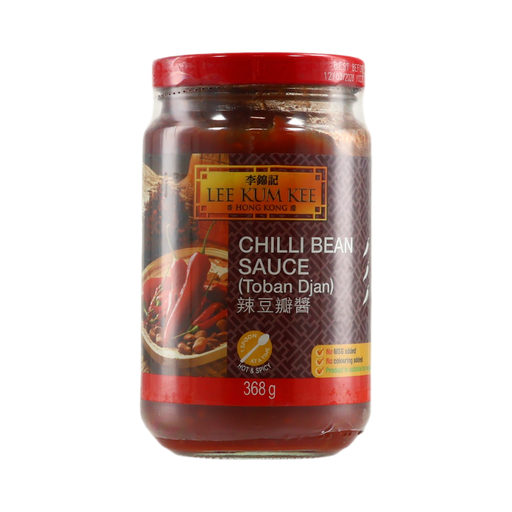
LEE KUM KEE Chilli Bean Sauce Toban Djan 368g
Why this product fits the profile: The 368 g pack is ideal for occasional cooking and classic uses like Mapo Tofu or stir-fries.
The ingredients list clearly states broad beans, soya beans, chilli and wheat flour; the salt content of 11.3 g per 100 g makes it easier to dose consciously.
368 g content; according to product information, suitable for stir-frying as a cooking base and for sauces.
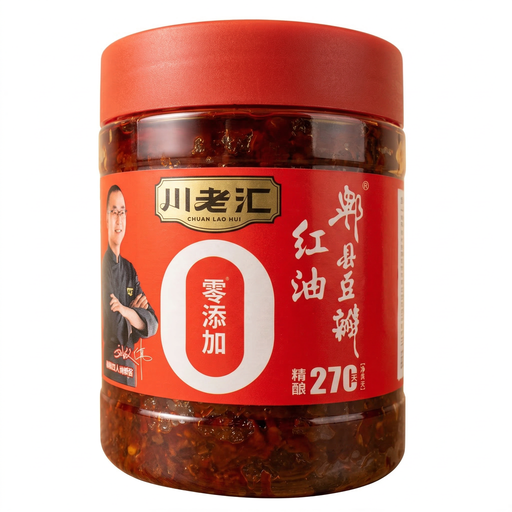
Chuan Lao Hui Red Oil Pixian Douban 500g
Why this product fits the profile: The recipe is centred on Pixian Doubanjiang with red oil, chilli, broad beans and wheat flour.
The labelling indicates 22 g of salt per 100 g. If you take this value into account, you can adjust the seasoning amount in your recipe accordingly.
500 g content; according to the product description, intended for stir-fries, braised dishes and sauces.
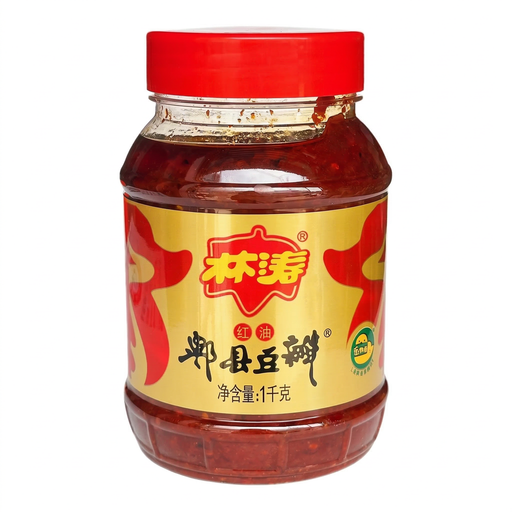
Lintao Pixian Chilli Bean Sauce 750g
Why this product fits the profile: The 750 g pack is aimed at households that regularly cook Sichuan dishes, marinades, noodle dishes or braised meals.
The recommended storage after opening is clearly stated: refrigerate, use clean utensils and keep the paste covered with oil.
750 g content; ingredients include broad beans, chilli, salt and wheat flour.
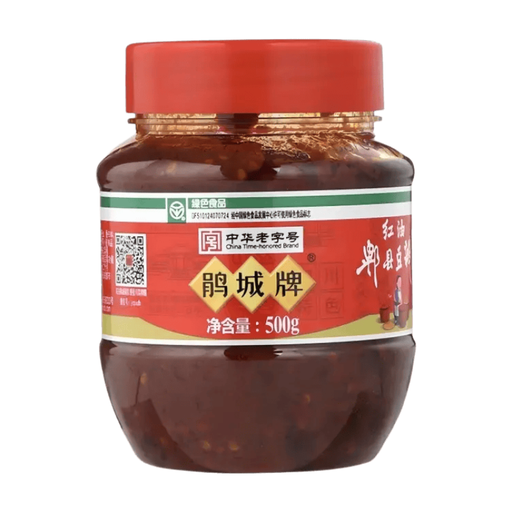
Juan Cheng Red Oil Pixian Bean Paste 500g
Why this product fits the profile: According to product information, this ready-to-use paste is intended for stir-fries, noodles, dips and marinades.
The product data lists ingredients, allergens, salt content and storage advice. This makes it easier to match your choice to your recipe and household.
500 g content; according to product information, suitable for stir-fries, noodles, marinades and dips.
Looking for more options?
We've put together a full, regularly updated list of products that fully meet these strict selection criteria and the safety regulations in force in the EU.
Planning Your Preparation and Storage
For many recipes, Doubanjiang is first fried briefly in a little oil over a medium or low heat. Depending on the product, one or two tablespoons is often enough. Only then do you add garlic, ginger, meat, tofu or vegetables. This helps the paste distribute evenly.
Once opened, the jar should be stored according to the manufacturer's instructions. Refrigeration is often recommended. Use clean utensils and seal the jar immediately after use. For products with a short use-by period after opening, a smaller pack makes more sense for occasional cooks.
FAQ on Buying Doubanjiang
Which Doubanjiang chilli bean paste is suitable for Mapo Tofu?
For Mapo Tofu, a fermented chilli bean paste made from broad beans, chilli, salt and wheat flour works well. Pixian Doubanjiang is often used as a seasoning base for this dish. Because salt content and heat levels vary, adjust the amount gradually.
How long does opened chilli bean sauce keep?
This depends on the product. Some recommendations suggest consuming within a month, while others state up to six months when refrigerated. Always follow the instructions on the label. Using clean utensils and keeping the packaging well sealed will help maintain the intended storage conditions.
Can you substitute Gochujang for Doubanjiang?
Gochujang is a Korean fermented chilli paste with a noticeably sweeter recipe. For a Sichuan sauce or Mapo Tofu, it will significantly alter the flavour. It can be used as a substitute in improvised recipes, but it doesn't match the typical profile of a Chinese chilli bean paste.