
Buy Chilli Bean Paste Doubanjiang: A Buyer’s Guide for Sichuan Dishes and Wok Cooking
If you’re looking to buy chilli bean paste Doubanjiang, you’ll find plenty of products on the market with similar names: Pixian Doubanjiang, Hot Bean Sauce, Sichuan Chilli Bean Sauce or fermented bean paste. But the differences go far beyond the brand name. The recipe, heat level, salt content, pack size and intended use all affect whether the sauce works for Mapo Tofu, wok dishes or noodle recipes.
Common Pitfalls When Buying Doubanjiang
1. Bean paste is confused with other Asian sauces
Not every spicy Asian condiment is Doubanjiang. Gochujang comes from Korea and typically contains rice varieties, sweeteners and fermented soya beans. A Chinese chilli bean paste, on the other hand, is usually based on broad beans, chilli, salt and wheat flour. Black bean paste, Chunjang and Douchi sauces each have a completely different flavour profile.
For classic Sichuan dishes, look out for terms like Broad Bean Paste, Pixian Doubanjiang or Chilli Bean Sauce.
2. Heat level isn’t reliably indicated by the product name
The term “Hot Bean Sauce” doesn’t describe a consistent level of spiciness. Some products combine chilli with oil and spices, while others focus more on fermented beans and salt. With a Sichuan chilli bean sauce, the proportion of chilli can also vary significantly.
The ingredients list gives a better clue than marketing terms. If chilli and broad beans appear near the top, you can expect a more pronounced seasoning effect. For sensitive palates, it’s a good idea to fry a small amount first and then season the dish afterwards.
3. Large jars aren’t automatically better value
A 750 g or 800 g pack can make sense for heavy users, but it may be impractical for occasional cooks. Once opened, storage instructions vary by product: some need to be refrigerated and used within a short time, while others keep longer under the stated conditions.
Before buying, you should check the net weight, storage after opening and best-before date. Using clean, dry utensils helps prevent contamination in the jar.
These Buying Parameters Are Crucial
Ingredients and allergens
A classic fermented bean paste often contains broad beans or soya beans, chilli, salt and wheat flour. If you have allergies or intolerances, read the label carefully. In the products we’ve looked at, soya and gluten-containing cereals or wheat are listed as allergens.
Don’t take “no additives” at face value either. What matters is the actual ingredients list on the product page and packaging. Some varieties may contain preservatives, flavour enhancers or sweeteners.
Salt content and dosage
Doubanjiang is usually a concentrated Chinese seasoning sauce. The salt content can be significant. In our selection, values per 100 g range from around 11.3 g salt for Lee Kum Kee Chilli Bean Sauce to roughly 20 g for several Pixian varieties. Wang Zhi He lists 23.1 g salt per 100 g.
In practice, this means: don’t add extra salt at the start. Instead, fry the bean paste in oil first and season the dish at the end. This gives you better control over the amount and distributes the sauce’s flavour more evenly.
Texture, oil content and use
For Mapo Tofu or braised dishes, you need a thick paste that can be fried in oil. Products with visible chilli or bean pieces create a more rustic texture. A variety that already contains chilli oil can be used straight away for noodles, marinades or as a table sauce.
When preparing most Doubanjiang products, it’s recommended to fry about one to two tablespoons over medium heat for a short time until the aroma develops and red oil appears. Then add tofu, vegetables, meat, stock or other ingredients. Always adjust the exact amount to the recipe and product label.
Our Selection by Different User Profiles
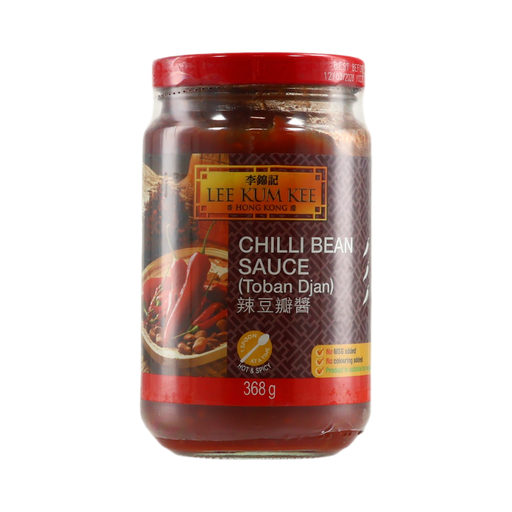
LEE KUM KEE Chilli Bean Sauce Toban Djan 368g
Why this product fits the profile: The 368 g pack is ideal for households wanting to try Doubanjiang for Mapo Tofu, wok dishes or marinades.
The ingredients and allergen information are clearly stated; the recommended refrigeration after opening makes stock planning easier.
368 g content, suitable for frying as a cooking base; according to product information, contains broad beans, soya beans, chilli and wheat flour.
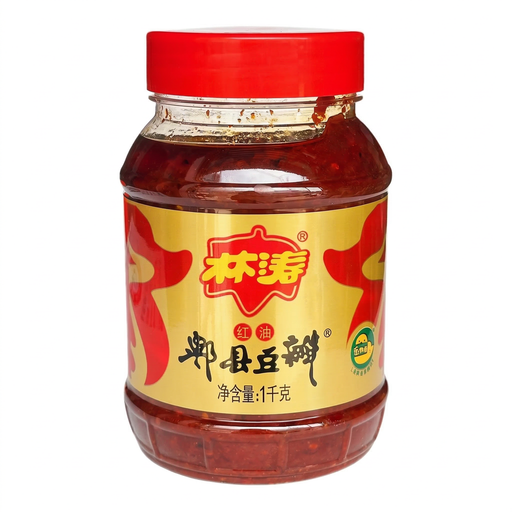
Lintao Pixian Chilli Bean Sauce 750g
Why this product fits the profile: The product description mentions traditional Pixian methods and lists broad beans, chilli peppers, salt and wheat flour as ingredients.
The ingredients list is short and clearly distinguishes this paste from sweeter or oil-heavy chilli sauces.
750 g content, Pixian style, according to nutritional information approximately 12 g protein and 4,200 mg sodium per 100 g.
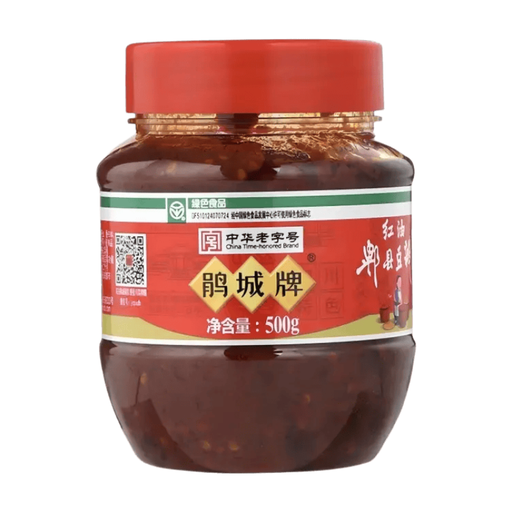
Juan Cheng Red Oil Pixian Bean Paste 500g
Why this product fits the profile: This variety contains rapeseed oil and, according to product information, is intended for wok dishes, noodles, dips and marinades.
The “Red Oil” label indicates an oil-based recipe, so you can plan to use it specifically for red chilli oils and quick sauces.
500 g content, ready-to-use recipe, according to the label contains red chilli, broad beans, rapeseed oil and spices.
Looking for more options?
We’ve put together a full, regularly updated list of products that fully meet these strict selection criteria and the safety regulations in force in the EU.
How to Use Doubanjiang Properly
For a wok dish, the paste is usually fried in a little oil. A low to medium heat prevents the chilli or bean pieces from burning. After a short time, a stronger aroma develops; then you can add garlic, ginger, vegetables, tofu or meat.
For Mapo Tofu, Doubanjiang serves as the seasoning base together with stock, tofu and typical Sichuan spices. For noodles, a small amount is often enough, mixed with noodle water, soya sauce or sesame oil. The paste is concentrated and should not generally be eaten raw if the label explicitly states “Cooking required”.
FAQ about Chilli Bean Paste Doubanjiang
What’s the difference between Doubanjiang and Gochujang?
Doubanjiang is a Chinese seasoning paste usually based on broad beans or soya beans, chilli, salt and wheat flour. Gochujang is a Korean chilli paste with a different recipe and often much more sweetness. For authentic Sichuan recipes, a Pixian or chilli bean paste is the more suitable product category.
How long does opened Doubanjiang keep?
That depends on the individual label. Some products need to be refrigerated after opening and used within a week or a month. Others give longer periods under refrigerated conditions. Always keep the jar tightly sealed, store it in a cool place and use a clean spoon to take out the paste.
How much Doubanjiang do you need for a dish?
As a starting point, about one to two tablespoons works well for a wok dish serving several portions. Since salt content, chilli proportion and intensity vary, add the paste gradually. Fry it first, then taste and reduce other salty ingredients accordingly.