
Buying Doubanjiang: A Guide to Choosing the Right Sichuan Paste
As a Joybuy Product Recommendation Officer, I often see home cooks face challenges when selecting authentic ingredients. Especially with a cornerstone ingredient of Sichuan cuisine like Doubanjiang, the right choice can be the difference between a successful dish and a disappointment. Many products look similar, but they behave completely differently in the kitchen. This guide will help you avoid the most common pitfalls and find the paste that truly suits your cooking style.
The 3 Most Common Mistakes When Buying Doubanjiang
Before you buy a Chinese condiment paste, you should be aware of the typical mistakes that often lead to an unsatisfactory culinary result.
- Confusing It with Other Bean Pastes: Not every dark paste is Doubanjiang. On the shelf, you'll often find sweet bean pastes (Tianmianjiang) for dishes like Peking Duck, or salty soybean pastes (Huangdoujiang) used in Northern Chinese cuisine. Choosing the wrong one means your dish will lack the characteristic spicy and fermented depth.
- Underestimating the Texture ("Red Oil" vs. Paste): Some products are sold as "Red Oil Doubanjiang" (红油豆瓣, Hóng Yóu Dòubàn). These already contain a high proportion of oil, are more liquid, and often milder. The traditional, thicker paste, on the other hand, is more concentrated and must first be fried in oil to release its full aroma. Choosing the wrong texture can alter the entire cooking process and the final flavor intensity.
- Ignoring Fermentation Quality: The umami depth of a fermented broad bean paste depends heavily on its aging period. High-quality pastes, especially the famous Pixian bean paste, often mature for over a year. Shorter production times usually result in a flatter, primarily salty flavor, lacking the complex, savory note that is essential for dishes like Mapo Tofu.
What Really Matters: The Core Parameters of Doubanjiang
To make an informed decision, focus on these three objective criteria.
H2: Origin and Main Ingredients
The most authentic and renowned spicy bean paste comes from the Pixian district in Chengdu, Sichuan. Pixian Doubanjiang (郫县豆瓣酱) is a geographically protected designation that signifies a high standard of quality. Pay close attention to the ingredient list: the base should always be broad beans (also known as fava beans), chilies, and salt. Wheat flour is often added as a fermentation agent. If soybeans are listed first, it is likely not the classic Sichuan variety.
H2: Fermentation Time and Color
The color is an indicator of its maturity. A young Doubanjiang is often bright red and tastes primarily spicy and salty. A longer-aged paste develops a deeper, dark red to brownish color and a more complex, almost malty aroma. Brands like Juan Cheng bean paste are known for their traditional production methods that ensure this kind of flavor development. For an authentic Mapo Tofu ingredient, a deep red, rich paste is often the better choice.
H2: Consistency and Oil Content
Check the product's consistency. A thick, coarse paste with visible pieces of beans and chilies is typical of the traditional version. It is highly concentrated and requires frying in oil ("blooming") to release its flavors. A smoother, oilier-looking paste is often a "red oil" variety, which is more convenient to use but offers less control over the flavor intensity.
Cooking Picks for Different Needs
Here are some recommendations tailored to different needs and experience levels.
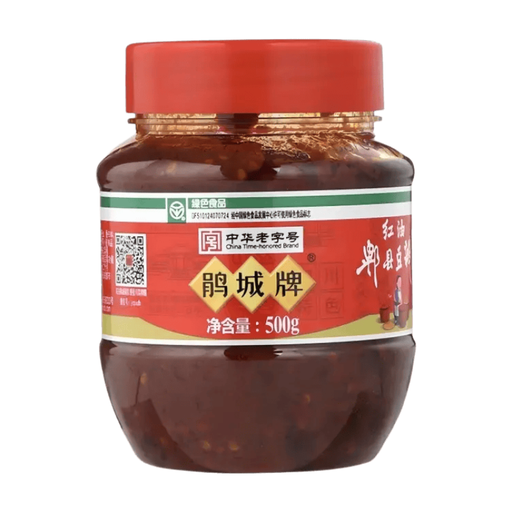
Juan Cheng Red Oil Pixian Bean Paste 500g
Why This Fits Their Persona: Ideal for anyone who wants to prepare authentic Sichuan dishes quickly and easily. The "red oil" base simplifies the cooking process, as the aroma is already infused in the oil and doesn't require extensive frying.
This product bypasses the pitfall of the wrong texture by being clearly positioned as a ready-to-use "red oil" variety. You get a consistent, easy-to-portion seasoning base.
Speeds up the preparation of dishes like Mapo Tofu or hot pot bases. The 500g package is convenient for regular use.
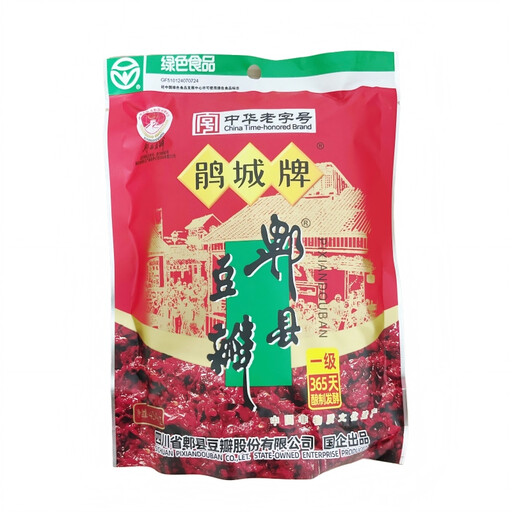
Juan Cheng Brand PiXian Broad Bean Sauce 454g
Why This Fits Their Persona: For cooks who seek authentic flavor and full control over the cooking process. This thick paste requires the traditional step of frying in oil to unlock its deep, complex aroma.
This is the classic Pixian bean paste, which eliminates the mistake of confusion. Its designation as an intangible cultural heritage product indicates a long, high-quality fermentation process.
Allows for maximum flavor development and control. The concentrated form is highly economical and forms the foundation for a wide variety of Sichuan dishes.
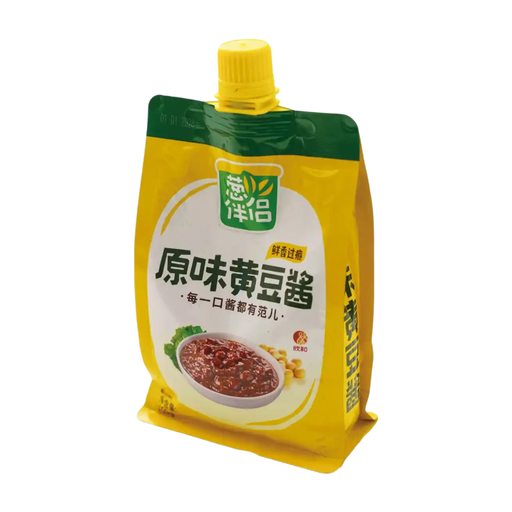
CBL CONGBANLV SOYBEAN PASTE 450G
Why This Fits Their Persona: For cooks who want to explore the variety of Chinese condiment pastes beyond Sichuan. This is a salty soybean paste (Huangdoujiang) that is not spicy and offers a different flavor dimension.
This product actively helps you avoid the mistake of confusion. It is a pure soybean paste without chili, suitable for dishes like Zha Jiang Mian (noodles with sauce topping) or as a dipping sauce.
Offers a rich, salty umami profile without the heat. The base of non-GMO soybeans ensures a pure flavor.
Looking for More Options?
We have compiled a complete, up-to-date list of products that fully meet these strict selection criteria and quality standards.
1. How long does Doubanjiang last after opening? Once opened, the paste should be stored in an airtight container in the refrigerator. Due to its high salt content, it has a very long shelf life, often over a year. Over time, the color may darken slightly, which is a normal oxidation process and does not affect its quality.
2. Is Doubanjiang the same as Gochujang or Miso? No, these are three distinct products. Gochujang is a Korean chili paste that typically contains glutinous rice and has a sweet-spicy profile. Miso is a Japanese paste made from fermented soybeans with a salty but not spicy flavor. Sichuan chili bean paste (Doubanjiang) is characterized by the fermentation of broad beans and chilies, giving it a unique, salty, spicy, and deep umami flavor.
3. Do I always have to fry Doubanjiang? For traditional, thick pastes, it is highly recommended. Slowly frying the paste in oil over low heat (a process known as "chao xiang," 炒香) releases its aromatic compounds and mellows the heat. For "red oil" varieties, this step is less crucial as the flavor is already infused in the oil, but a brief heating can still intensify the taste.