
Asian Seasoning Pastes: A Buyer's Guide to Avoiding Purchase Mistakes
As a Joybuy Product Recommendation Officer, I see the immense enthusiasm for Asian cuisine every day. But as the selection of products grows, so does the confusion. Many home cooks invest in Asian seasoning pastes, only to find that the result doesn't match the authentic flavour experience from a restaurant or their travels. Before you buy another ingredient for your favourite dish, you should know the common pitfalls.
The most frequent problems when buying are:
- The "Authenticity" Trap: Products are marketed as "authentic" but often contain large amounts of sugar, flavour enhancers, or Westernised recipes that distort the original character.
- Misleading Ingredient Lists: Many pastes, especially curry pastes, traditionally contain shrimp paste or fish sauce. For vegans or those with allergies, this often only becomes apparent upon closer inspection of the back label.
- Incorrect Application: Choosing the wrong paste for a specific dish is a common mistake. A mild Japanese miso paste is not suitable for a spicy Korean stew, and not every red curry paste is right for every Thai curry.
This guide will help you bypass these errors and make targeted choices to find the right products for your kitchen.
What Really Matters: The Key Selection Criteria
To avoid disappointment, don't be swayed by colourful packaging; focus on objective features instead. Three parameters are particularly important.
1. The Ingredient List: The Key to Authentic Flavour
The list of ingredients for Asian dishes is your most important tool. A high-quality paste is defined by a short, clear ingredient list that prioritises traditional components.
- For Gochujang: Look for products where the main ingredients are fermented soybeans, chilli powder, and a form of rice (often as rice flour or syrup). When you buy Gochujang, pay attention to the percentage of chilli paste or powder.
- For Thai Curry Paste: Authentic pastes contain a blend of herbs and spices like lemongrass, galangal, kaffir lime peel, and of course, chillies. A good Thai curry paste lists these ingredients near the top.
- For Miso Paste: The base should consist of soybeans, a koji culture (usually from rice or barley), and salt. The fewer additional fillers, the purer the taste.
2. Fermentation Level and Origin
For fermented pastes like miso and gochujang, the ageing process is crucial for the flavour profile.
- Miso Paste: Red miso (Aka Miso) is fermented longer than white miso (Shiro Miso). It is saltier, more robust, and develops a deeper umami paste note, ideal for hearty soups and marinades. White miso is milder and sweeter, suitable for lighter dishes and dressings.
- Korean Cooking Paste: Traditional gochujang undergoes a months-long fermentation process that gives it its characteristic depth—a complex blend of spicy, sweet, and salty.
3. Concentration and Intended Use: Paste vs. Sauce
It's important to distinguish between a concentrated paste and a ready-made cooking sauce.
- Paste (e.g., Curry Paste, Gochujang): This is a highly concentrated seasoning. You only need a small amount, which is often first fried in oil or coconut milk to release the aromas. Pastes give you full control over the intensity and flavour of your dish.
- Cooking Sauce (e.g., Curry Cooking Sauce, Chilli Oil): These products are already diluted and ready-to-use. They are convenient for quick preparation but offer less flexibility. A chilli oil, on the other hand, often serves as a finishing condiment (topping) rather than a cooking base.
Cooking Picks for Every Need
Here are some recommendations tailored to different needs and experience levels.
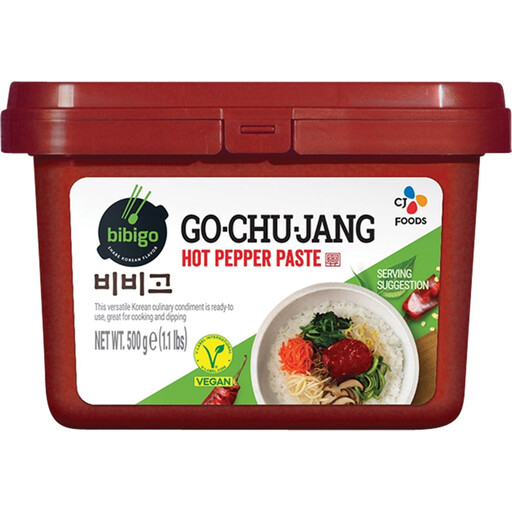
Bibigo Red Pepper Paste Gochujang 500 g
Why This Fits Their Persona: Ideal for anyone making dishes like Bibimbap or Tteokbokki for the first time. The 500g size is practical for getting started, and the Bibigo brand is well-established in South Korea, ensuring a reliable flavour base.
This product is an authentic Korean cooking paste from a well-known Korean brand, bypassing the trap of an overly "Westernised" flavour.
Balanced sweet-spicy profile. Versatile as a cooking base, marinade, or dip.
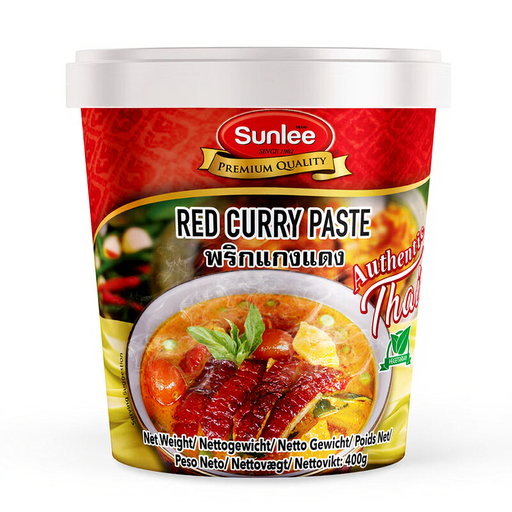
Sunlee Vegan Red Curry Paste 400g
Why This Fits Their Persona: Perfect for anyone following a plant-based diet who doesn't want to miss out on the intense flavour of a Thai curry. This paste solves the problem of hidden animal products.
This vegan curry paste explicitly omits shrimp paste and fish sauce, directly solving the pitfall of unclear ingredient lists for vegans.
Authentic Thai aroma from traditional herbs like galangal and lemongrass. Clear labelling for a safe, purely plant-based choice.
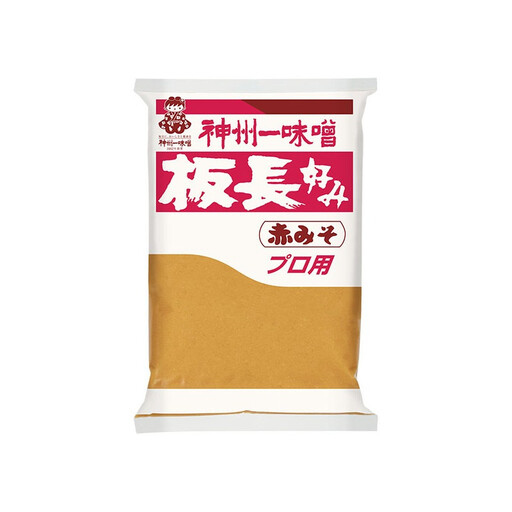
Shinshuichi Itacho Red Miso 1kg
Why This Fits Their Persona: For experienced cooks seeking a bold, complex umami note for soups, marinades, and glazes. The long ageing time of this red miso paste ensures an exceptional depth of flavour.
This product is a traditional Japanese red miso paste. It avoids the trap of one-dimensional or mild pastes by offering intense flavouring power through long fermentation.
Robust, salty flavour with deep umami. The 1kg value pack is ideal for regular use.
Frequently Asked Questions (FAQ)
How long do Asian seasoning pastes last after opening?
The shelf life varies by type. Fermented pastes like miso and gochujang are very stable due to their high salt content. Stored in the refrigerator, they often last for several months up to a year, although the flavour may mellow slightly over time. Curry pastes should also be refrigerated and ideally used within 3 to 6 months. A tip: covering the surface of the paste in the jar with a thin layer of vegetable oil can extend its shelf life. Always check the manufacturer's instructions on the packaging.
What is the difference between a curry paste and a curry cooking sauce?
A Thai curry paste is a highly concentrated blend of herbs and spices. It serves as a base and is typically fried briefly before liquids like coconut milk are added to create the actual sauce. This allows for individual control over spiciness and flavour. A curry cooking sauce, on the other hand, is a ready-made product where the paste is already mixed with coconut milk, water, and other ingredients. It saves time but offers less culinary freedom.
Can I only use miso paste for soup?
No, miso paste is much more than just an ingredient for soup. As a versatile umami paste, it is excellent for marinades (e.g., for salmon or chicken), salad dressings, glazes for roasted vegetables, or for adding a deeper, savoury note to sauces and stews. Adventurous cooks even use it in small amounts in sweet dishes like caramel to intensify the flavour.