
Asian Cooking Pastes Buying Guide: Avoid Common Purchase Pitfalls
Exploring the world of Asian cuisine at home is a culinary journey. However, an authentic flavour experience depends critically on one ingredient: the right cooking paste. The market offers a dizzying array, but not every product delivers on its promise. As your Joybuy Product Recommendation Officer, I'm here to help you navigate the common pitfalls and find the perfect cooking pastes for Asian dishes for your kitchen.
The 3 Most Common Pitfalls When Buying Cooking Pastes
Many home cooks invest in products that fail to meet their expectations. Watch out for these three common problems to avoid disappointment and wasted money.
- The "Authenticity" Trap: Numerous pastes are marketed as "authentic" but are heavily adapted to Western palates. This often manifests as an excessively high sugar content, the absence of characteristic herbs, or the use of flavour enhancers that mask the true aroma.
- Hidden Animal-Based Ingredients: Caution is particularly advised with Southeast Asian pastes. A classic Thai curry paste traditionally contains shrimp paste (gapi) or fish sauce to create its signature umami flavour. For vegans, vegetarians, or those with allergies, this often only becomes apparent after a close look at the ingredients list.
- Misleading Labels: Vague information about heat levels or the use of artificial colourings can make the cooking result unpredictable. A paste labelled as "mild" might be too spicy for one person's palate, while another might look visually appealing due to artificial colours like E102 or E133, but could be a concern for children.
What to Look For Before You Buy: The Decisive Parameters
To make the right choice, you should look beyond the label and consider what's inside. Three core parameters are crucial for the quality and suitability of a cooking paste.
1. The Ingredient List as a Quality Indicator
A high-quality cooking paste is defined by a clear and focused ingredient list. For a Thai curry paste, ingredients like lemongrass, galangal, kaffir lime peel, and fresh chillies should be high on the list. If you want to buy gochujang, look for fermented rice paste and a high percentage of chilli powder as a sign of authenticity. Basic pastes like ginger paste or garlic paste should have a very high content of their namesake ingredient (often over 70%) and not consist primarily of water, oil, or fillers.
2. Origin and Processing
The country of origin can provide a clue about the recipe. Pastes made in their native country often follow more traditional recipes. This is especially relevant for fermented products like gochujang from South Korea or sesame paste (tahini) from Lebanon, where traditional production methods significantly shape the flavour. A wasabi paste from Japan, or one made in the Japanese style, should ideally contain a portion of real wasabi (Eutrema japonicum) and not just horseradish, colouring, and flavouring.
3. Suitability for Special Diets
For a vegan or vegetarian diet, a careful inspection of the ingredients is essential. Specifically look for products labelled as vegan curry paste. These explicitly omit shrimp paste and fish sauce, often using plant-based alternatives to generate umami without sacrificing depth of flavour.
Recommended Picks for Cooking Needs
Here are some recommendations tailored to different needs and cooking styles that meet the quality criteria mentioned above.
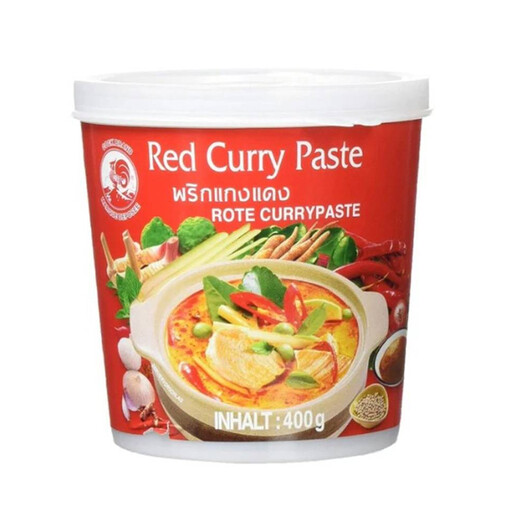
Cock Brand Thai Red Curry Paste 400g
Why This Fits Their Persona: Ideal for anyone starting to make Thai curries. The paste offers a balanced, classic flavour profile that isn't overly spicy, providing a reliable base for dishes made with coconut milk.
The ingredient list is clear and focused on the essentials (dried red chillies 28%, lemongrass, garlic). The heat level is moderate and predictable, avoiding the trap of an unexpectedly spicy or bland result.
Versatile for use in curries, soups, and stir-fries. The 400g container offers excellent value for money for regular use.
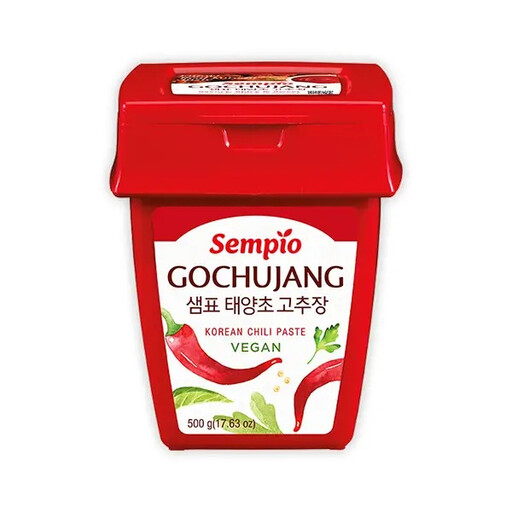
Sempio Gochujang, Korean Chili Paste 500g
Why This Fits Their Persona: Perfect for those who want to achieve the genuine, complex flavour of dishes like bibimbap, tteokbokki, or bulgogi marinades. Sempio is an established Korean brand.
This product bypasses the "authenticity" trap. It is made in South Korea and based on traditionally fermented rice paste (46.7%), which provides the deep, savoury umami flavour often missing in Western imitations.
A balanced ratio of spicy, sweet, and salty notes. The large 500g package is ideal for regular use in Korean cooking.
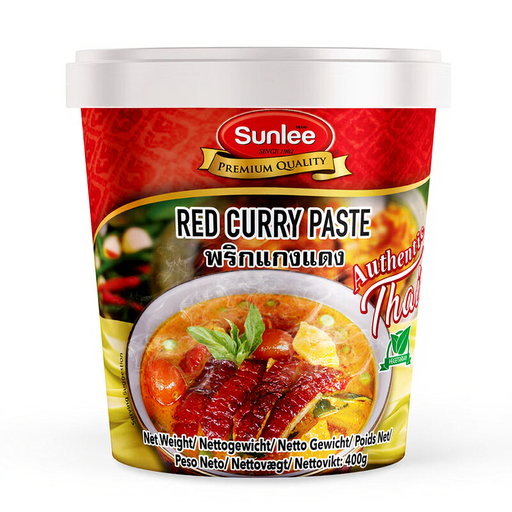
Sunlee Vegan Red Curry Paste 400g
Why This Fits Their Persona: Specifically for those who want to enjoy the full flavour of a Thai curry without any animal products. This paste is a safe and delicious choice for a plant-based diet.
This product solves the problem of hidden animal-based ingredients. It is explicitly formulated to be 100% vegan, omitting shrimp paste and fish sauce, which is clearly communicated on the front of the package.
Delivers authentic Thai curry flavour without dietary compromises. The ingredient list is transparent and based on aromatic herbs like lemongrass and galangal.
Looking for More Options?
We've compiled a complete, up-to-date list of products that fully meet these strict selection criteria and German food regulations.
Frequently Asked Questions (FAQ)
1. How do I properly store opened Asian cooking pastes? Most cooking pastes, especially those based on chilli, herbs, or soy, should be stored in the refrigerator after opening. Seal the container tightly to preserve the aroma and prevent contamination. For oil- or salt-rich pastes, it can help to cover the surface with a thin layer of vegetable oil to further extend their shelf life. Always follow the manufacturer's instructions on the packaging.
2. How can I identify a high-quality wasabi paste? A high-quality wasabi paste differs from simple horseradish pastes by its content of real wasabi (Wasabia japonica). Check the ingredient list: if horseradish is listed first, it is primarily a horseradish product. Products like the S&B Wasabi Flavour Horseradish Paste specify their wasabi content. Real wasabi has a more complex, fresher heat that dissipates quickly, unlike the lingering heat of horseradish.
3. Can I combine different Asian cooking pastes? Yes, this is common in many Asian cuisines and can lead to very complex flavour profiles. In Korean cooking, for example, gochujang (spicy-sweet) and doenjang (salty-savoury) are often used together in stews (jjigae). When experimenting, it's advisable to start with small amounts and taste the pastes separately first to understand their individual flavour profiles before combining them.