
How to Buy Chinese Seasoning Pastes Without Disappointment
Recreating authentic Chinese cuisine at home can often seem like a challenge. The key to restaurant-quality dishes frequently lies in complex sauces and spice blends. Chinese seasoning pastes promise a simple solution. But the market is overwhelming, and not every product lives up to its packaging. Many home cooks invest in pastes that end up tasting bland or are unsuitable for their desired dish.
This guide will help you avoid the common pitfalls. We'll show you what to look for when making your selection to find the right ready-made Chinese seasoning for your culinary project and cook authentic Chinese food.
Common Pitfalls When Buying Seasoning Pastes
Before you purchase Asian cooking ingredients online, you should be aware of the three most common problems that lead to unsatisfying results:
- The "Authenticity" Trap: Many products use terms like "authentic" or "traditional," but the ingredient list often tells a different story. A genuine Sichuan Seasoning Paste, for example, thrives on the characteristic combination of heat (chilli) and the numbing tingle of Sichuan peppercorns. If this ingredient is missing or replaced by generic spices, the typical "mala" flavour is lost.
- Incomplete Seasoning Mixes: You buy a paste for a specific dish, only to find out from the recipe that you also need fermented beans, special vinegar, or other hard-to-find ingredients. Such base pastes are useful for experienced cooks, but they are impractical for beginners looking for a quick solution.
- Misleading Flavour Descriptions: A paste labelled "spicy" might only deliver one-dimensional heat without the complex, fermented, and aromatic notes that define Chinese regional cuisine. The result is often disappointing and far from the expected taste experience.
What Really Matters When Making Your Selection
To avoid these problems, you should check two key criteria before buying. These will help you objectively assess the quality and suitability of a seasoning paste.
1. The Ingredient List: The Key to Authenticity
The most important source of information is always the ingredient list. It reveals whether a paste has the potential for an authentic flavour profile. Look for specific ingredients typical of the respective regional cuisine:
- For Sichuan Dishes (e.g., Mapo Tofu, Kung Pao): Look for Sichuan peppercorns (often listed as Zanthoxylum) and a fermented bean paste (Doubanjiang). These two components are essential for the characteristic mala seasoning.
- For Hot and Sour Dishes: Vinegar (often rice vinegar) should be high on the list, combined with chilli varieties like the yellow lantern chilli for a specific aroma.
- For Savoury Braised Dishes: Ingredients like star anise, cinnamon, fennel, and fermented black beans (Douchi) indicate a deep, complex flavour.
2. All-in-One Kit vs. Base Paste
Ready-made Chinese seasonings can be divided into two categories. The choice depends on how much effort you want to put in:
- All-in-One Kits: These products often contain multiple packets—for example, a base paste, a seasoning oil, and a finishing powder (usually starch for thickening). They are designed to create a complete dish without needing additional specialty ingredients. Ideal for beginners or when you're short on time.
- Base Pastes: This is a single, concentrated paste that serves as a flavour foundation. They offer more flexibility but often require the addition of other ingredients like ginger, garlic, or specific sauces. These are suitable for cooks who want to customise a recipe to their own taste.
Cookware Picks for Every Need
Here are some recommendations tailored to different needs and cooking styles.
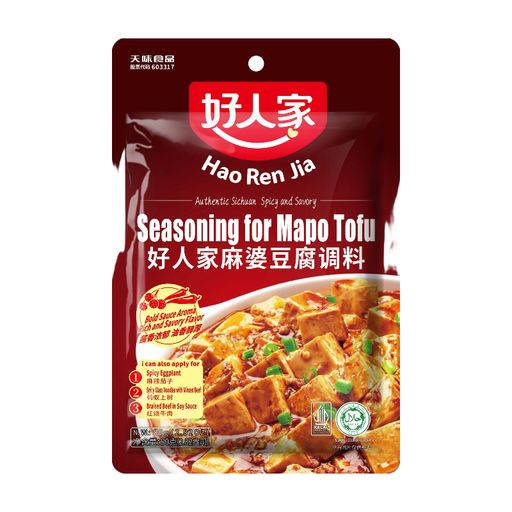
Hao Ren Jia Seasoning for Mapo Tofu 80g
Why This Fits Their Persona: Ideal for anyone who wants to prepare the Sichuan classic Mapo Tofu at home, easily and authentically. It's an all-in-one solution that takes the guesswork out of seasoning.
This product is a complete seasoning kit. It bypasses the trap of incomplete mixes and delivers a genuine mala flavour profile, thanks to ingredients like Sichuan peppercorns and fermented bean paste.
Significantly simplifies the preparation of a complex dish. Provides a reliable, classic flavour result for an authentic Mapo Tofu paste.
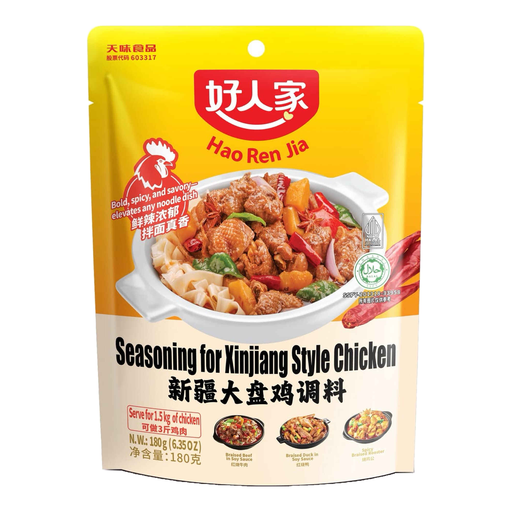
Hao Ren Jia Seasoning For Xinjiang Style Chicken, 180g
Why This Fits Their Persona: Perfect for cooks looking to venture beyond Sichuan and discover another, equally popular regional Chinese cuisine. This seasoning is the base for the famous "Dapanji" (Big Plate Chicken) dish.
The declaration of Pixian bean paste (≥20%) and specific spices guarantees a deep, savoury flavour that goes far beyond a generic "chicken seasoning," capturing the authentic taste of Xinjiang.
Enables the easy preparation of a specific, regional dish. The paste provides a complex flavour base for a hearty braised dish with chicken and potatoes.
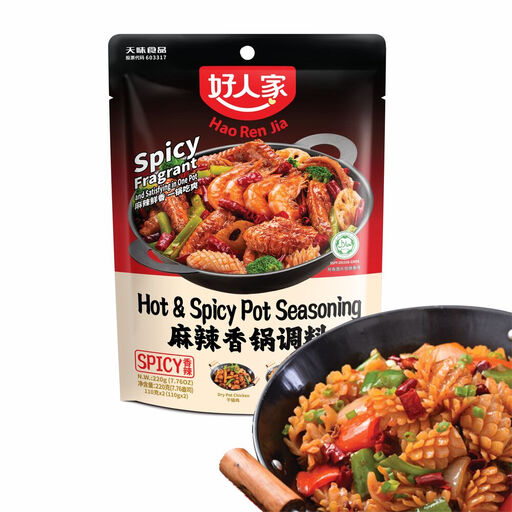
Hao Ren Jia Mala Dry Pot Seasoning Mix, 220g
Why This Fits Their Persona: For anyone looking for a versatile seasoning paste for quick stir-fry dishes. "Mala Dry Pot" (Mala Xiang Guo) is a dish where any ingredients (meat, vegetables, tofu) are fried in a spicy sauce.
This paste delivers the complete, multi-layered mala seasoning for the "dry pot" style. The declared proportions of chilli (≥5%) and Sichuan peppercorns (≥1%) ensure the authentic, numbing-hot flavour.
Extremely versatile for quick stir-fries. Works with almost all proteins and vegetables, making it ideal for using up leftovers or for spontaneous meal ideas.
Looking for more options?
We've compiled a complete, up-to-date list of products that meet these strict selection criteria and quality standards.
Frequently Asked Questions
1. How do I properly store opened Chinese seasoning pastes? Most seasoning pastes are based on oil, salt, and fermented ingredients, which makes them relatively shelf-stable. Unopened, they should be stored in a cool, dry place away from direct sunlight. After opening, it is advisable to seal the package tightly and store it in the refrigerator. Pay attention to the instructions on the packaging, as the shelf life can vary after opening.
2. Are ready-made Chinese seasonings very spicy? The level of heat varies significantly depending on the dish and region. Products from Sichuan, Hunan, or Chongqing tend to be very spicy. Look for terms like "Mala" (numbing-hot), "Spicy," or chilli symbols on the packaging. The ingredient list also provides clues: if chilli is listed near the top, expect a higher level of heat. Pastes for Cantonese or Shanghainese dishes, on the other hand, are usually milder and often have a sweet and savoury profile.
3. Can I use these pastes for vegetarian dishes? Many pastes are naturally vegetarian or can be easily adapted. A Mapo Tofu paste, for example, can be used with mushrooms instead of minced meat. Seasoning bases for "Boiled Fish" or "Mala Dry Pot" are also excellent for tofu, lotus root, potatoes, and other vegetables. However, always check the ingredient list for non-vegetarian components like lard or oyster sauce if you wish to avoid them.