
Asian Seasoning Pastes: A Buyer’s Guide to Smart Shopping
Asian seasoning pastes are the secret to the depth of flavour in many dishes, from a fiery Thai curry to a hearty miso soup. But the market can be overwhelming. Anyone searching for authentic Asian cooking ingredients often faces a shelf full of jars with labels that promise more than their contents deliver. The result is often a disappointing culinary experience and wasted money.
As your Joybuy Product Recommendation Officer, I'll help you identify the common pitfalls and make an informed choice. We'll focus on the facts so you can find the exact seasoning paste that suits your culinary project.
The 3 Most Common Traps When Buying Seasoning Pastes
Many products take advantage of the inexperience of home cooks. Watch out for these three points to avoid falling for them:
- Misleading "Authentic" Recipes: A product advertised as "authentic" can still consist mainly of sugar, water, and flavour enhancers. A genuine seasoning paste is defined by a high proportion of its namesake ingredient, whether it's chilli, soybeans, or herbs.
- Wrong Consistency for the Application: A watery "paste" is hardly suitable as a marinade, while a paste that is too firm will be difficult to dissolve in a soup. The terms seasoning sauces, pastes, and oils are often used interchangeably, even though their function in a dish is completely different.
- Vague Descriptions of Flavour and Heat: The term "spicy" is subjective. Without a clear classification of the flavour profile (e.g., smoky, sour, salty, umami), you're often buying blind and risk making a dish inedible.
What Really Matters: 3 Crucial Selection Criteria
To make the right choice, don't be swayed by colourful labels; let objective criteria guide you.
1. The Ingredient List: The Truth Is in the Fine Print
The order of ingredients is regulated by law and indicates which are present in the largest quantities. For a high-quality chilli paste, chilli (or peppers) should be the first ingredient, not water or sugar.
- Miso Paste:Soybeans and rice or barley should be listed near the top.
- Gochujang: Look for a blend of chilli powder, glutinous rice, and fermented soybeans.
- Additives: Flavour enhancers like monosodium glutamate (MSG, E621) aren't inherently bad, but their excessive use can indicate low-quality base ingredients.
2. Origin and Regional Speciality
An Asian seasoning paste is not a monolithic product. Its composition is deeply rooted in its respective regional cuisine.
- Thai Curry Paste: Typically based on fresh herbs like lemongrass, galangal, and kaffir lime leaves. Red, green, and yellow pastes differ primarily in the type of chilli and other spices used.
- Korean Chilli Paste (Gochujang): Fermentation gives it a uniquely sweet, spicy, and deep umami flavour. It is an indispensable ingredient for dishes like Bibimbap or Tteokbokki.
- Indian Spice Paste: Often a complex blend of dried and ground spices like coriander, cumin, turmeric, and fenugreek. A Vindaloo paste has a completely different profile than a Korma paste.
- Chinese Chilli Oil and Pastes: Products like Lao Gan Ma are famous for their blend of heat, roasted aromas, and often crispy additions like peanuts or fermented soybeans.
- Indonesian Sambal Oelek: In its most basic form, this is a simple paste of raw, crushed chillies and salt, delivering a clean, intense heat.
3. Consistency: Paste, Sauce, or Oil?
The texture determines its application:
- Seasoning Pastes: These are highly concentrated and serve as a cooking base for curries, stews, or marinades. They often need to be diluted with a liquid (e.g., coconut milk, water, broth).
- Seasoning Sauces: These are more liquid and often ready-to-use as a dip, a table condiment, or a glaze.
- Chilli Oil: This is an infused oil flavoured with chillies and other spices. It's mostly used as a topping to add heat, aroma, and an interesting texture to a dish.
Top Picks for Every Profile
Here are some recommendations tailored to specific needs and cooking styles.
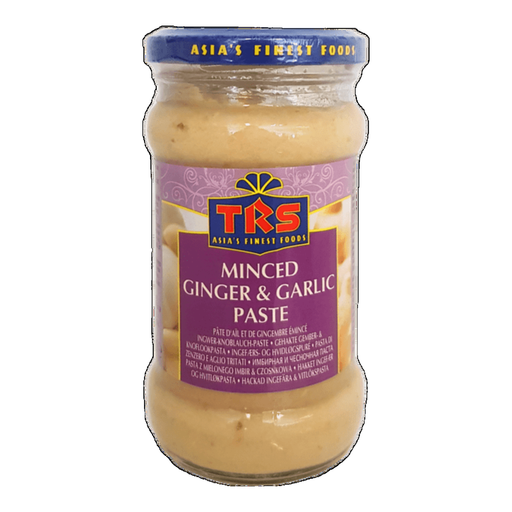
TRS Garlic & Ginger Paste 300 g
Why This Fits Their Persona: This paste is a fundamental and versatile ingredient that eliminates the time-consuming task of peeling and chopping garlic and ginger. It's ideal for anyone who wants to quickly and easily create an aromatic base for curries, stir-fries, or marinades.
The product is honest and unpretentious. It doesn't promise to be a complete meal, but rather a practical cooking aid. The ingredient list is short and clear, with no hidden fillers.
Time-Saver: Replaces the prep work for fresh garlic and ginger. Consistent Flavour: Ensures a reliable aroma in every dish.
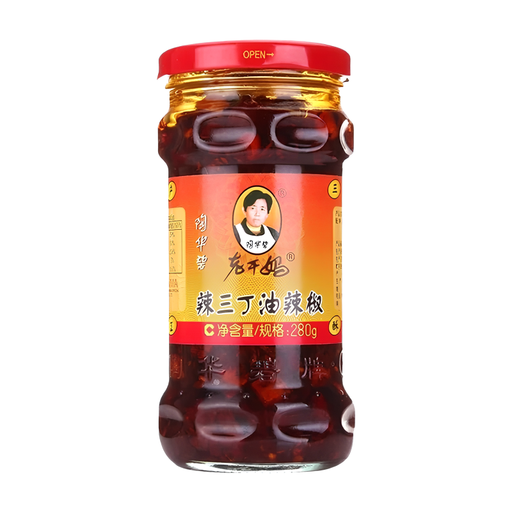
Lao Gan Ma Spicy Chili Crisp with Formed Beans 280g
Why This Fits Their Persona: This chilli oil is more than just spicy. It offers a complex blend of roasted aromas, umami from fermented soybeans, and an addictive, crispy texture. Perfect as a topping for noodles, rice, eggs, or even pizza.
It avoids the trap of one-dimensional heat. Instead of just burning, it delivers a multi-layered flavour experience with a unique texture that is often just an empty promise on other labels.
Unique Texture: Crispy chillies, peanuts, and beans provide a satisfying crunch. Versatility: Works as both a cooking ingredient and a finishing condiment.
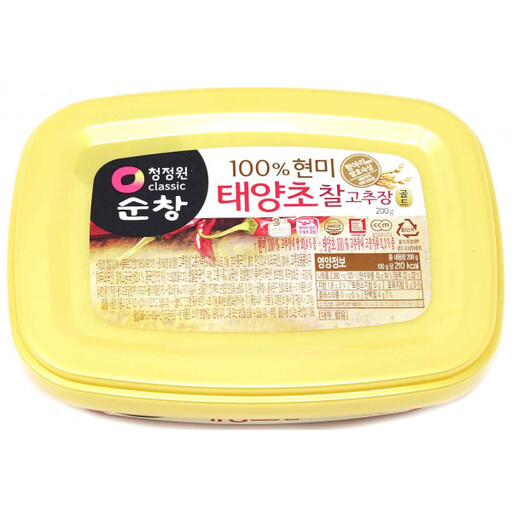
CHUNG JUNG ONE Hot Pepper Bean Paste (Gochujang) 200g
Why This Fits Their Persona: Anyone planning to buy Gochujang needs a product that delivers the characteristic fermented flavour. This Sunchang Gochujang is a staple of Korean cuisine and is essential for a variety of recipes, from marinades for Bulgogi to spicy stews.
It avoids the 'generic chilli paste' trap. Instead, it is a specific, culturally significant product with a protected designation of origin (Sunchang) that guarantees a non-interchangeable flavour.
Authentic Flavour Profile: Delivers the typical balance of heat, sweetness, and umami. Staple Ingredient: Indispensable for a wide range of traditional Korean dishes.
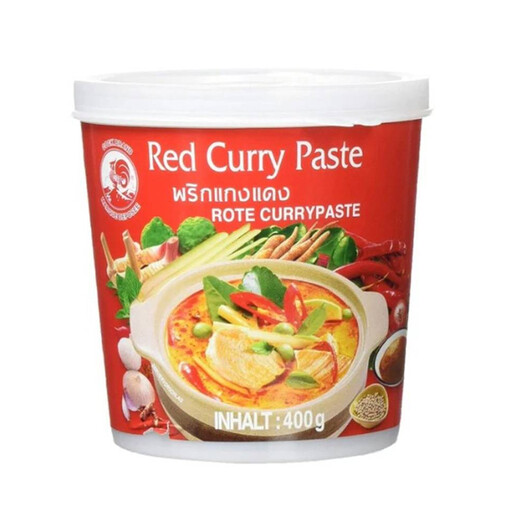
Cock Brand Thai Red Curry Paste 400g
Why This Fits Their Persona: Anyone who wants to cook an authentic red Thai curry needs a solid foundation. This paste contains the essential ingredients like dried red chillies, lemongrass, and galangal. It is a concentrated paste that gives the cook control over the final consistency and flavour of the curry.
It avoids the 'ready-made sauce' trap. Instead of a watery, overly sweet sauce, you get a concentrated paste that serves as the starting point for your own freshly prepared curry with coconut milk.
Authentic Ingredient Base: Contains the key components for a genuine Thai curry. Highly Concentrated: Gives the cook full control over the final result and is very economical.
Looking for More Options?
We have compiled a complete, up-to-date list of products that fully meet these strict selection criteria and all local regulations.
Frequently Asked Questions (FAQ)
How should I store opened Asian seasoning pastes?
The best way to store most pastes after opening is in the refrigerator to preserve their freshness and aroma. Always follow the instructions on the label. A useful tip is to always use a clean spoon to avoid contaminating the contents. For oil-based pastes like chilli crisp, ensuring the solid ingredients remain covered in oil can help extend their shelf life.
What is the difference between miso paste and Gochujang?
Although both are fermented pastes, they are fundamentally different in taste and origin. Miso paste comes from Japan and is made primarily from fermented soybeans, rice, and salt. Its flavour is predominantly salty and rich in umami. Gochujang is a Korean chilli paste made from chilli powder, glutinous rice, fermented soybeans, and salt. It has a distinctively spicy, slightly sweet, and savoury flavour profile.
Can I use an Indian spice paste for Thai dishes?
For an authentic result, this is not recommended. The flavour profiles are fundamentally different. Indian spice pastes, such as those used for a Vindaloo, are based on a blend of dried spices like coriander, cumin, and turmeric. Thai curry pastes, on the other hand, derive their aroma from fresh ingredients like lemongrass, galangal, and kaffir lime leaves. Swapping them would result in a completely different dish than expected.