
How to Choose the Right Asian Seasoning Paste
The world of Asian seasoning pastes is a universe of complex flavours, ranging from deep umami to delicate sweetness. Yet, anyone in the UK wanting to prepare authentic dishes like Peking duck, mapo tofu, or a Korean BBQ often faces a daunting selection. Many products promise traditional taste, but not every paste delivers. This guide will help you navigate the common pitfalls of buying these pastes and find the perfect ingredient for your culinary projects.
As a Joybuy Product Recommendation Officer, I see my role as filtering market information to provide you with objective, practical purchasing advice, enabling you to make an informed decision.
The 2 Most Common Pitfalls When Buying Seasoning Pastes
Before you buy an Asian seasoning paste, you should be aware of two common issues that often lead to disappointment in the kitchen:
- Misleading "Authenticity": Many pastes produced for the Western market are adapted with high sugar content or unnecessary thickeners. They lack the depth of flavour that comes from traditional, often months-long, fermentation. The result is more sweet than complex and has little in common with the original taste.
- The Wrong Paste for the Wrong Dish: The variety is vast, and the labels are often unclear. Accidentally using a sweet wheat paste (Tian Mian Jiang) for a spicy Sichuan dish, or a salty soybean paste for a miso soup, will lead to a disappointing outcome. Each paste has a specific purpose.
What Really Matters: 3 Core Parameters for Your Selection
To make the right choice, focus on three objective criteria that reveal the quality and intended use of a paste.
1. The Fermentation Base: Soybean, Wheat, or Rice?
The main ingredient determines the paste's fundamental character.
- Soybean-Based: Pastes like Chinese fermented bean paste (Huang Dou Jiang) or Japanese Miso Paste are based on soybeans. They are the foundation for a deep, savoury umami flavour.
- Wheat Flour-Based: Pastes like Tian Mian Jiang (sweet bean paste) are primarily made from fermented wheat flour. This gives them a characteristic sweetness and a smoother texture.
- Rice-Based (Koji): Particularly in Japanese seasoning pastes like miso, koji (rice inoculated with a fermentation culture) is often added to the process. The type of koji influences whether the miso is mild and light or robust and dark.
2. The Flavour Profile: Salty, Sweet, Spicy, or Umami?
Asian pastes can be broadly divided into flavour categories that dictate their use:
- Salty & Umami: This includes dark soybean pastes and black bean sauce. They are excellent as a base for stews and stir-fries. Fermented tofu also falls into this category, serving as an intense seasoning.
- Sweet & Salty: The most famous example is the Chinese cooking paste Tian Mian Jiang, which is indispensable for Peking duck and Zha Jiang Mian (noodles with sauce).
- Spicy & Salty: Pastes like Doubanjiang (spicy bean paste) or the Korean paste Gochujang (chilli paste) bring significant heat alongside salt and umami. Ssamjang is a hybrid that combines the spiciness of Gochujang with the mellowness of soybean paste.
3. Ingredient List and Origin
A glance at the ingredient list is revealing. Traditionally made pastes often have a short list: soybeans, wheat, salt, and water. Products from heritage brands, which have often existed for decades or longer, typically follow time-tested recipes. The origin (e.g., Japanese seasoning paste vs. Chinese cooking paste) provides a clear clue to the culinary tradition and intended application.
Top Product Recommendations
Here are some recommendations tailored to different culinary goals and preferences.
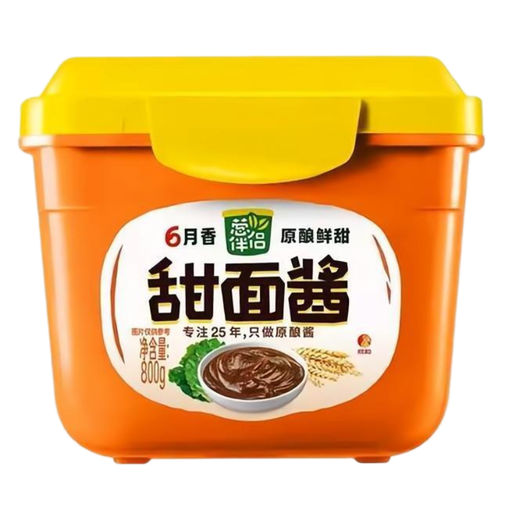
Liu Yue Xiang Sweet Noodle Sauce 800g
Why This Fits Their Persona: This sweet and salty wheat paste (Tian Mian Jiang) is a fundamental ingredient for many well-known dishes like Peking duck or as a dip for spring rolls. It offers an accessible entry point into the world of Chinese flavours.
The Liu Yue Xiang brand relies on a traditional fermentation process of over 90 days. This ensures a complex sweetness derived from the wheat itself, rather than just a sugary taste.
Balanced sweet-and-salty profile; versatile for use in dips, marinades, and stir-fries. The 800g pack offers excellent value for money for regular use.
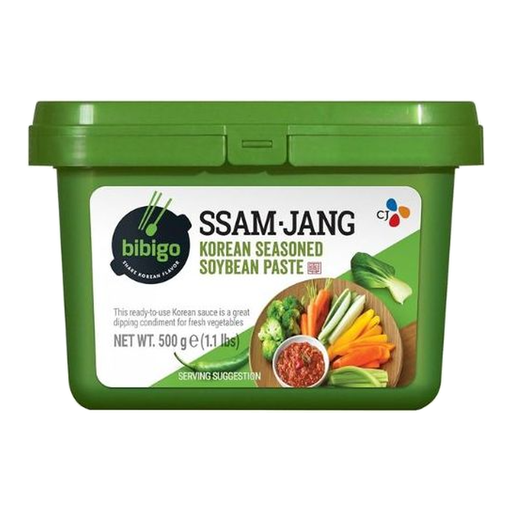
Bibigo Soybean Paste Ssamjang 500 g
Why This Fits Their Persona: Ssamjang is the indispensable dipping paste for Korean grilled meats (Gogigui) and lettuce wraps (Ssam). Anyone wanting to recreate the authentic taste of a Korean restaurant at home needs this exact paste.
This is not a generic "Asian BBQ sauce" but a specific Korean paste. It combines fermented soybean paste (Doenjang) with chilli paste (Gochujang), thus avoiding the pitfall of using the wrong type of paste.
A ready-to-use blend with a complex profile of salty, sweet, and spicy notes. The Bibigo brand is renowned for its consistent quality in Korean food products.
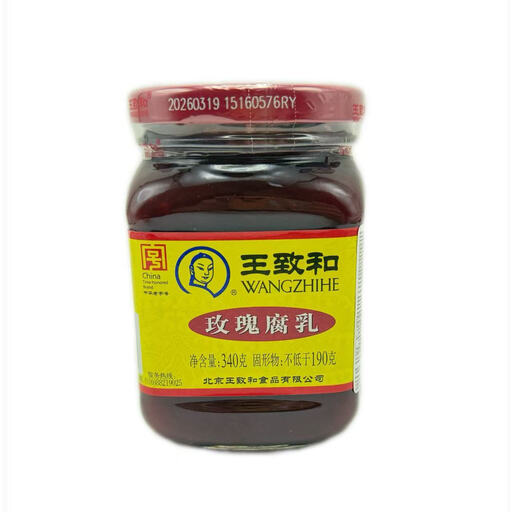
Wang Zhi He Rose Bean Curd 340g
Why This Fits Their Persona: For home cooks who want to go beyond standard pastes and are seeking a unique, deep flavour. Fermented tofu is a condiment that lends dishes an unparalleled, cheese-like umami depth.
This is a highly specific traditional product (fermented tofu), not a generic seasoning paste. The Wang Zhi He brand, established in 1669, is a benchmark for traditional fermentation methods.
A unique flavour profile thanks to a rose infusion, which adds a floral note to the salty umami. Versatile as a side for rice porridge or as an ingredient in marinades and stews.
Looking for More Options?
We have curated a full, up-to-date list of products that fully meet these strict selection criteria and UK regulations.
Frequently Asked Questions (FAQ)
How do I properly store opened Asian seasoning pastes?
Most fermented pastes should be stored in the refrigerator after opening to preserve their freshness and flavour. Pay attention to the instructions on the packaging. Always use a clean utensil to take the paste from the jar to avoid contamination. Products like fermented tofu should remain in their brine to prevent them from drying out.
What is the difference between soybean paste and miso paste?
Although both are fermented bean pastes, there are significant differences. Chinese soybean paste (Huang Dou Jiang) is typically made only from soybeans, wheat flour, salt, and water, and has a strong, salty flavour. Japanese Miso Paste also contains koji (fermented rice or barley), which gives it a broader flavour spectrum – from mild and sweetish (Shiro Miso) to strong and salty (Aka Miso).
Can I substitute Tian Mian Jiang for black bean sauce?
Substitution is not recommended, as their flavour profiles are fundamentally different. Tian Mian Jiang is a sweet and salty, wheat-based paste used for dishes like Peking duck. Black bean sauce is made from fermented black soybeans (Douchi) and is intensely salty and savoury, but not sweet. Swapping them would completely change the character of the dish.