
Buying reduced-salt soy sauce: a guide to choosing and seasoning with less salt
If you’re looking to buy reduced-salt soy sauce, you’ll find plenty of different descriptions in shops: soy sauce with less salt, light soy sauce, reduced-sodium soy sauce or ‘Reduced Salt’. However, these terms aren’t always directly comparable. What matters is the nutritional information, the ingredients list and how you plan to use the sauce in your cooking.
For households in Germany, pack size, storage, allergens and the actual amount of salt per 100 ml are also important considerations. That’s why our selection focuses on clear product information rather than general marketing claims.
Common pitfalls when buying soy sauce with less salt
1. Percentages without a consistent basis for comparison
A claim such as ‘30% less salt’ or ‘40% less sodium’ sounds clear-cut, but it refers to a particular comparison product. The reference product can vary from brand to brand, so the percentage alone shouldn’t determine your choice.
Also compare the ‘salt per 100 ml’ figure. In the product information available, for example, the selected products range from 5.8 g to 11.5 g of salt per 100 ml. A direct comparison only makes sense when the figures use the same basis.
2. ‘Light’ doesn’t automatically mean low in sodium
The term light soy sauce can refer to the flavour, colour or reduced salt content. Some products also contain sugar, flavour enhancers, preservatives or colourings. This doesn’t necessarily mean they’re poor quality, but it’s worth checking that they suit your preferences.
If you’re looking for a simple recipe, check the ingredients list. Even reduced-salt versions often contain soybeans and wheat as key ingredients.
3. Choosing the wrong size for how much you use
A 1.25- or 2-litre bottle may be economical if you use soy sauce frequently, but it takes up a lot of room in the fridge. For occasional dipping or smaller households, 150 to 500 ml is usually more practical. Also check the storage instructions: some products should be refrigerated after opening, while others should be stored in a cool, dry, dark place, according to the product information.
What to look for when choosing
Salt content per 100 ml and serving size
Start by checking the nutrition table. A low figure per 100 ml is useful, but it doesn’t tell the whole story: the amount you use also matters. A tablespoon and a small splash add different amounts of sauce to your dish.
In Germany, nutrition labels may show salt, while international products may list sodium as well, or instead. A rough conversion often used is to multiply sodium by 2.5. For an accurate assessment, always refer to the information on the product’s label.
Ingredients, allergens and how it’s made
Soy sauce typically contains soybeans and often wheat or gluten. If you have an allergy or intolerance, read the full allergen information. Terms such as ‘naturally brewed’, ‘fermented’ or ‘aged for six months’ describe how the sauce is made, but they’re no substitute for checking its salt content and ingredients.
If you’re looking for a light soy sauce for delicate vegetable dishes, you may also want to consider its colour and recommended uses. A darker, more robust Asian seasoning sauce is often better suited to marinades or hearty braised dishes.
How you’ll use it and bottle size
A soy sauce for stir-frying should be easy to drizzle into wok dishes, vegetable stir-fries and noodles. For dipping, a balanced flavour and a handy bottle are useful. You may use more soy sauce in marinades, so pack size is worth considering if you use it frequently.
Also check the cap, whether the sauce needs to be refrigerated after opening and the best-before date on the packaging.
Our picks for different needs
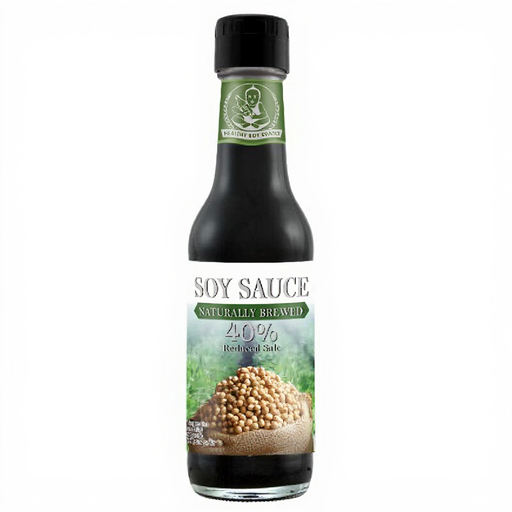
Healthy Boy Soy Sauce Less Sodium 40% 250ml
Why it suits this profile: The 250 ml bottle is a good fit for smaller households and anyone who wants to try reduced-salt soy sauce in everyday cooking. According to the product information, it contains 7.5 g of salt per 100 ml.
The specific salt content per 100 ml means you don’t have to rely on the percentage claim alone. The smaller bottle also reduces the risk of not using up a large bottle in time.
According to the product information, it contains 40% less sodium and is made without artificial colourings or preservatives. Contains soy and wheat.
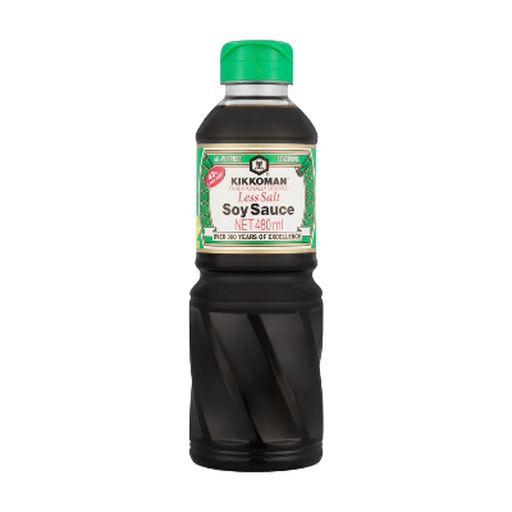
KIKKOMAN Reduced Sodium Soy Sauce 16.2oz PET Bottle
Why it suits this profile: This option is for anyone looking for traditionally brewed Kikkoman soy sauce with a reduced-salt claim, suitable for stir-frying, marinating and dipping.
According to the product information, figures are provided both per 15 ml serving and per 100 ml. At 5.8 g of salt per 100 ml, the sauce is easy to assess at a glance.
According to the product information, the sauce contains water, soybeans, wheat, salt, spirit vinegar, alcohol and sugar. It’s recommended for marinades, wok dishes, stir-frying and dipping.
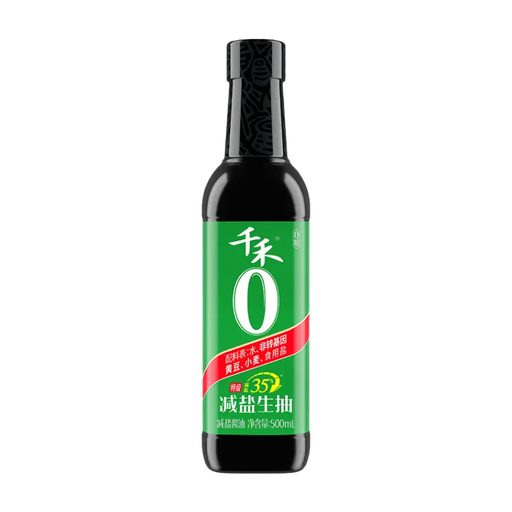
Qianhe 35% Reduced Salt Light Soy Sauce 500ml
Why it suits this profile: The 500 ml bottle is suited to regular cooking. According to the product information, it’s intended for wok dishes, cold dishes, marinades and dipping.
Check the stated 35% reduction against the actual salt content. According to the product information, it contains 11.5 g per 100 ml.
According to the product information, the recipe contains water, non-GM soybeans, wheat, salt and sugar. Flavour enhancers, colourings and preservatives aren’t listed in the ingredients.
Looking for more options?
We’ve put together a complete, regularly updated list of products that meet these strict selection criteria and fully comply with the safety regulations in force in the EU.
Frequently asked questions about reduced-salt soy sauce
Is reduced-salt soy sauce automatically low in sodium?
No. ‘Reduced salt’ usually means the salt content is lower than that of a comparison product. For a practical comparison, check the salt per 100 ml figure and the serving size. So ‘reduced salt’ and ‘reduced sodium’ aren’t interchangeable without checking the nutrition table.
Which soy sauce is best for stir-frying and marinades?
A light soy sauce with an easy-to-control cap is a good choice for vegetables, noodles and wok dishes. Both light and more robust varieties work well in marinades. Use the sauce sparingly with delicate ingredients, and remember to account for other salty ingredients such as stock, miso paste or ready-made marinades.
How long does an opened bottle keep?
This depends on the brand, packaging and storage instructions. Store the bottle as directed on the label, seal it tightly and check its smell, appearance and best-before date. If the label specifically says to refrigerate after opening, keep the sauce in the fridge.