
Buying reduced-salt soy sauce: a guide to choosing less salt for everyday cooking
Reduced-salt soy sauce can be a practical alternative to regular soy sauce when you’re cooking. It’s suitable for seasoning, marinating, stir-frying and dipping. However, products labelled “Less Salt”, “Reduced Sodium” or “Light” don’t necessarily have the same salt content. If you only look at the front of the bottle, you could easily choose a variety that doesn’t suit your needs.
Common pitfalls when buying
1. “Light” doesn’t always mean reduced salt
The term light soy sauce often describes a pale, thin soy sauce, rather than one with a lower salt content. That’s why it’s important to check the nutrition table. For example, MAGGI Light Soya Sauce contains 14,3 g of salt per 100 g. Here, “Light” is no substitute for checking the actual salt content.
2. Percentage claims don’t always use the same reference
Claims such as “30% less salt” or “40% less sodium” refer to a specific comparison, which can vary from one brand to another. That’s why you should also check the absolute value for salt per 100 ml, rather than comparing percentages alone.
3. Reduced salt doesn’t automatically mean gluten-free
Traditionally brewed soy sauce often contains soya beans and wheat. In many cases, this means it contains gluten. Several reduced-salt varieties in our product selection also contain wheat, so they’re not suitable for people with coeliac disease or a wheat allergy unless you’ve checked the packaging.
Key criteria to consider when comparing
Salt content per 100 ml and serving size
Nutrition information per 100 ml makes it easier to compare different bottle sizes. It’s also worth checking the serving size. Even a reduced-salt soy sauce can make a significant contribution to your daily salt intake if you pour it generously.
In the product information available, salt content ranges from 5,8 g per 100 ml for KIKKOMAN Reduced Sodium Soy Sauce to 14,0 g per 100 ml for ChuBang 30% Salt Reduced Premium Light Soy Sauce. Always check the specific value against the label on the product you receive.
Ingredients and allergens
If you’re looking for vegan soy sauce, check the ingredients list as well as the salt content. According to the product information, KIKKOMAN Reduced Sodium Soy Sauce is suitable for a vegan diet, but contains soya beans and wheat. Other products may contain sugar, flavour enhancers, yeast extract, preservatives or alcohol.
The allergens highlighted on the label are especially important if you have an allergy. Common allergens listed include:
- Soya beans
- Wheat or gluten-containing cereals
- Possible traces of other allergens
Intended use and pack size
A small bottle makes sense if you’ll be using the soy sauce as a dip or seasoning food occasionally. A larger pack may be more economical if you cook, marinate and stir-fry regularly. Remember to consider how you’ll store it: several products recommend refrigerating the bottle after opening or using it promptly.
For stir-frying, flavour, ease of pouring and heat stability matter more in everyday cooking than eye-catching product claims. For marinades, you can combine a reduced-salt variety with ginger, garlic, rice vinegar or sesame oil. This makes it easier to control the total amount of sauce you use.
Our picks for different needs
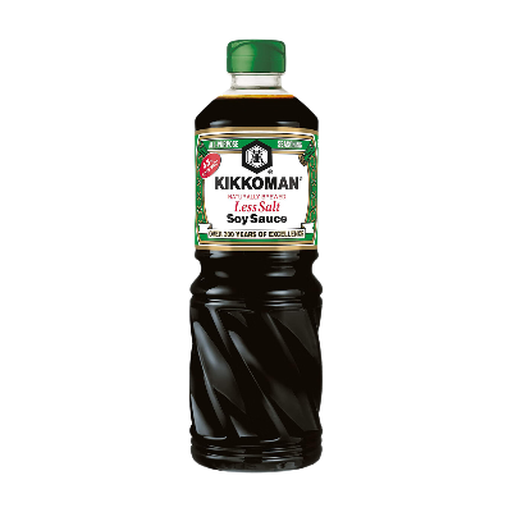
KIKKOMAN Less Salt Soy Sauce PET 975ml
Why this product suits this profile: The 975-ml bottle is a good fit for households that cook Asian food regularly and need a larger quantity for seasoning, stir-frying and marinating. According to the product information, it contains 9,2 g of salt per 100 ml.
The specific salt content is listed, replacing a vague “Light” claim with a nutritional value you can check.
975 ml; according to the product information, made with soya beans, wheat, salt, vinegar and sugar.
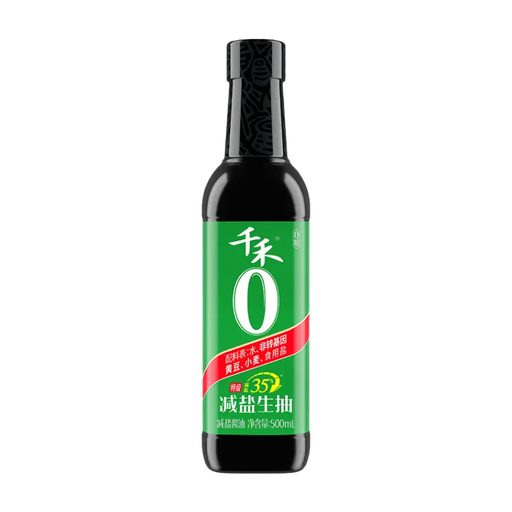
Qianhe 35% Reduced Salt Light Soy Sauce 500ml
Why this product suits this profile: The 500-ml bottle is aimed at shoppers who like to check ingredients and recipes in detail. According to the product information, it contains water, non-GMO soya beans, wheat, salt and sugar.
The ingredients list is straightforward, but the salt content of 11,5 g per 100 ml still needs to be checked. Don’t judge it by the percentage claim alone.
500 ml; according to the supplier, it contains no MSG, artificial colourings, preservatives or yeast extract.
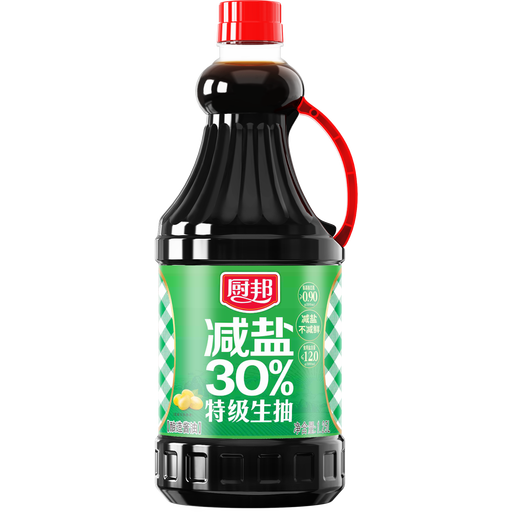
ChuBang 30% Salt Reduced Premium Light Soy Sauce 1.25L
Why this product suits this profile: The 1.25-litre bottle is designed for frequent cooking, wok dishes, dressings and dips. The product information states that it contains 30 per cent less salt than a comparable recipe.
The large pack makes it easy to work out the cost per millilitre. At the same time, remember to check the stated salt content of 14,0 g per 100 ml.
1.25 litres; according to the product description, suitable for dipping, stir-frying and seasoning.
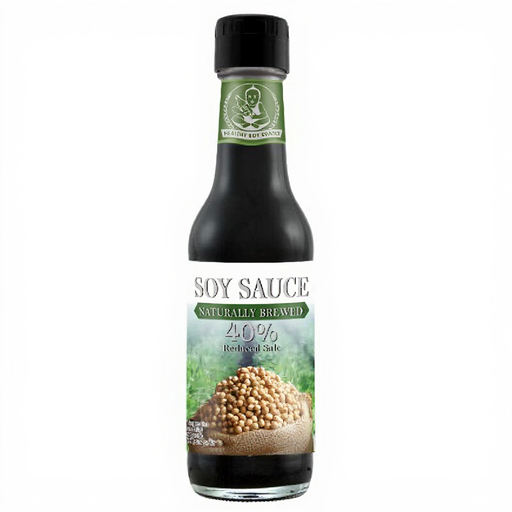
Healthy Boy Soy Sauce Less Sodium 40% 250ml
Why this product suits this profile: The 250-ml bottle is ideal for occasional users who want to try a smaller quantity or use soy sauce specifically as a dip or marinade.
The product information lists 7,5 g of salt per 100 ml and 40 per cent less sodium than the manufacturer’s regular variety.
250 ml; according to the product information, it contains no artificial colourings or preservatives.
Looking for more options?
We’ve put together a complete, regularly updated list of products that meet these strict selection criteria and fully comply with the safety regulations in force in the EU.
Frequently asked questions about reduced-salt soy sauce
Is reduced-salt soy sauce automatically low in sodium?
No. “Reduced salt” and “low sodium” aren’t interchangeable terms. The figures on the label are what matter. To compare products, check the salt content per 100 ml and, if listed, the sodium content.
How long does soy sauce keep once opened?
This depends on the recipe, packaging and manufacturer’s guidance. Many products can be stored at room temperature while unopened. Several varieties should be refrigerated after opening. Always follow the best-before date and the instructions on the bottle.
How can I tell if soy sauce contains gluten?
Ingredients such as wheat, wheat flour or “gluten-containing cereals” indicate that a product contains gluten. If you have a wheat allergy or coeliac disease, check the allergen information on every pack, even if the product is described as reduced-salt or vegan.