
Light Soy Sauce 2026: A Buying Guide to Flavour, Ingredients and Pack Sizes
Light soy sauce is a staple in many kitchens. It is used to season stir-fries, soups and rice, works well as a marinade and can be served as a dip with vinegar, sesame oil or chilli. However, choosing the right product is not always straightforward for households, home cooks and food-service businesses: similar product names can conceal significant differences in recipes, salt levels and intended uses.
This Joybuy Product Recommendation Officer buying guide explains what to look for when shopping and which products suit different kitchen profiles.
Common Buying and Marketing Pitfalls
1. “Light” does not automatically mean reduced salt
The terms “Light Soy Sauce” or “Thin Soy Sauce” often describe the style of the sauce rather than a reduced salt content. A light soy sauce may be thinner, paler or intended for specific Asian recipes. Always check the salt content in the nutrition information.
For comparison: across the product information reviewed, salt levels range from 10 g to 22.6 g per 100 ml. A Qianhe variant explicitly marketed as reduced salt lists 11.5 g of salt per 100 ml. This is an objective product value, not a general recommendation for daily salt intake.
2. “Premium” alone says little about the recipe
“Premium” soy sauce may refer to traditional fermentation, selected ingredients, a particular brand or simply the product’s market positioning. The ingredients list, proportion of soybeans and wheat, fermentation details and nutritional information are more meaningful indicators.
If you are looking for naturally brewed soy sauce or soy sauce without additives, read the specific ingredients list carefully. For example, Qian He Premium First Press Light Soy Sauce lists water, non-GMO defatted soybeans, wheat, salt and sugar. Other products may also contain flavour enhancers, colourings, preservatives or sweeteners.
3. Large packs are not economical for every household
A large soy sauce bottle containing 1.63, 1.75, 1.9 or 2 litres can be practical for restaurants and larger households. In a smaller home, however, an opened bottle may sit unused for a long time. Consider the storage instructions, expected consumption and available refrigerator space. Several products recommend cool storage or refrigeration after opening.
Key Buying Criteria
Salt Content and Serving Size
Soy sauce is generally used in small quantities, but its salt content still affects the overall seasoning of a dish. Always compare values per 100 ml rather than relying solely on taste. Reduced-salt soy sauce may appeal to shoppers who want to manage the salt content of their recipes more consciously. It is not a substitute for individual dietary advice.
Also check whether the information is provided as salt or sodium. These values are not identical and should not be treated as directly interchangeable.
Ingredients and Allergens
Classic light Chinese soy sauce typically contains water, soybeans, wheat and salt. Depending on the recipe, sugar, yeast extract or other ingredients may also be included. Products listing E numbers may contain flavour enhancers, colourings, preservatives or sweeteners.
For people with allergies, soybeans and wheat or gluten are especially relevant. Check the product labelling before purchase, even when a sauce is described as “natural” or “traditional”.
Consistency, Flavour and Intended Use
Light sauces are generally thinner and paler than dark soy sauces. They are commonly suitable for:
- Soy sauce for cooking vegetables, noodles, rice and soups
- Soy sauce for marinades for tofu, meat, fish or poultry
- Soy sauce as a dip for dumplings, spring rolls and cold dishes
- Chinese dishes such as stir-fried vegetables and braised dishes
- Thai recipes that call for a thin, savoury sauce
For intensely flavoured stir-fries, a sauce with a pronounced umami profile can be a good choice. For dips and cold dishes, the balance of salt, sweetness and aroma is equally important.
Our Picks for Different Kitchen Profiles
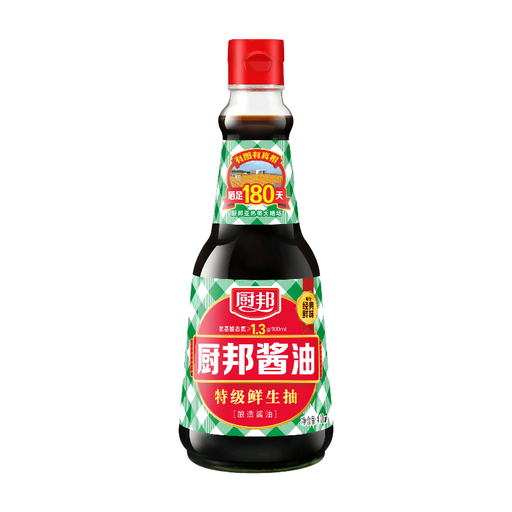
Chu Bang Premium Light Soy Sauce 410 ml
Why this is a good fit: The 410 ml bottle is suitable for households that want to try light soy sauce in different recipes before committing to a larger pack.
The ingredients list specifies water, defatted soybeans, salt, wheat, sugar and yeast extract. Shoppers can compare the recipe with other variants before buying.
410 ml capacity, suitable for cold dishes, dips, roasting and braising; stated salt content: 15.6 g per 100 ml.
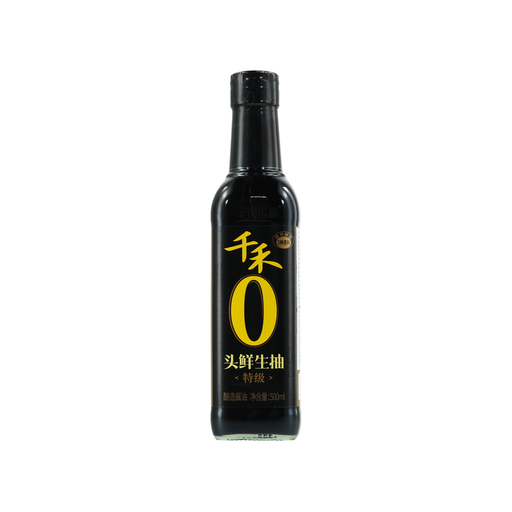
Qian He Premium First Press Light Soy Sauce 500 ml
Why this is a good fit: For shoppers seeking a naturally brewed soy sauce with a concise ingredients list for everyday use.
According to the product information, no artificial additives, colourings or preservatives are listed. Nevertheless, compare the ingredients list with the label on the delivered product.
500 ml capacity, suitable for stir-fries, marinades, dips and braised dishes; salt content according to the product information: 15.5 g per 100 g.
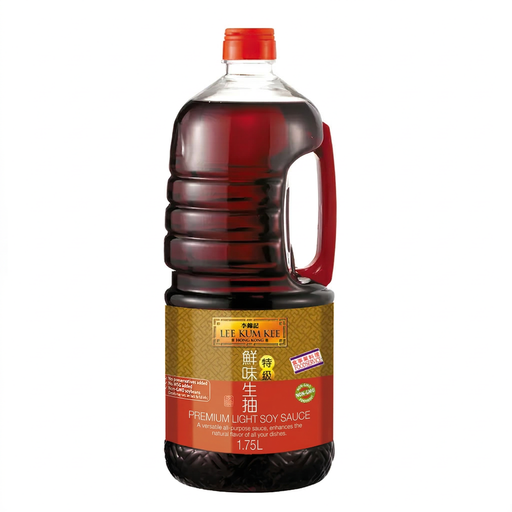
Lee Kum Kee Premium Light Soy Sauce 1.75 l
Why this is a good fit: The large pack is designed for kitchens with regular consumption, such as those frequently preparing stir-fries, marinades or dips.
The 1.75-litre size only makes sense if consumption is high enough and suitable storage after opening is available.
Designed for marinating, cooking, roasting and dipping; according to the product information, 776 mg sodium per 100 ml and 7 kcal per 100 ml.
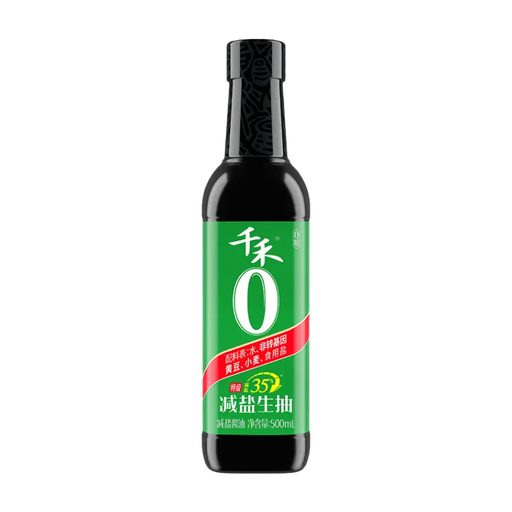
Qianhe 35% Reduced Salt Light Soy Sauce 500 ml
Why this is a good fit: Suitable for shoppers who specifically want to compare products based on a clearly stated lower salt content.
The salt content is clearly stated as 11.5 g per 100 ml. The “35% reduced” claim should be understood in relation to the manufacturer’s stated benchmark and not interpreted as a universal figure.
500 ml capacity, with no flavour enhancers, artificial colourings or preservatives listed in the product information.
Looking for more options?
We have put together a complete, up-to-date selection of light soy sauces. Compare pack sizes, ingredients, salt content and intended uses using the information provided for each product.
Light Soy Sauce FAQ
Is light soy sauce the same as thin soy sauce?
The terms are sometimes used interchangeably in retail, but they are not always precise. “Light” or “thin” may refer to colour, consistency or the Chinese sauce style. Check the ingredients list, salt content and intended use. A reduced-salt variant can be identified specifically through its nutritional information.
How long does an opened bottle last?
This depends on the product, packaging and storage conditions. Follow the best-before date and the instructions on the label. Many products should be tightly sealed after opening, stored in a cool place or in the refrigerator and consumed promptly. This is particularly important for large packs.
Which light soy sauce is suitable for marinades and dipping?
Many light Chinese and Thai soy sauces can generally be used for both purposes. For marinades, flavour, salt content and sweetness are key considerations. As a dip, a well-balanced sauce can be served as it is or combined with rice vinegar, sesame oil, garlic and chilli. Check the product description and ingredients to confirm suitability.