
Reduced-salt soy sauce: what you really need to look out for when buying
Reduced-salt soy sauce works well in many dishes, but it is not automatically low in sodium. Terms such as “Light”, “Less Salt” or “Reduced Sodium” may refer to different comparison values depending on the brand. If you specifically want to reduce your salt intake, you should consider the nutrition table, ingredients list and intended use together.
Common buying and marketing pitfalls
1. “Light” does not necessarily mean low in salt
A light soy sauce may refer to a lighter flavour, a thinner consistency or a reduced salt content. The key figure is the specific amount in grams per 100 millilitres. For comparison, the MAGGI Light Soya Sauce contains 14.3 g of salt per 100 g, according to the product information. The name alone is therefore not enough to make a reliable assessment.
2. Percentages are only meaningful when you know the comparison value
Statements such as “30% less salt” or “40% less sodium” require a clear reference value. For different products, the comparison may be based on a particular standard recipe from the same brand. When shopping in Germany, the figure in the nutrition table is the one that matters. Also check whether salt or sodium is listed: sodium is not the same as salt. As a rough conversion, 1 g of sodium corresponds to approximately 2.5 g of salt.
3. A large bottle is not always the most economical choice
A 1- or 2-litre bottle can make sense if you cook regularly. However, if you only use soy sauce occasionally for dipping, there is a risk that its flavour and quality may deteriorate after opening. Check the storage instructions carefully. Several products recommend refrigerating the bottle after opening or using it within a short period.
Parameters to check before buying
Salt content per 100 millilitres
Always compare products using the same reference quantity. In the selection shown here, the stated amounts range, for example, from 5.8 g of salt per 100 ml for the KIKKOMAN Reduced Sodium Soy Sauce to 14.3 g of salt per 100 g for the MAGGI Light Soya Sauce. The actual reduction per serving also depends on how much sauce you use.
For a reduced-salt diet, a sauce with an intense umami flavour may be useful because you may only need a smaller amount. However, this depends on your personal recipe and is not a guaranteed health benefit.
Ingredients and allergens
Classic soy sauce containing gluten is often made from soya beans and wheat. If you need to avoid gluten, check the labelling carefully. It is also worth checking the ingredients list for vegan soy sauce, as recipes may contain ingredients such as sugar, alcohol, flavourings or additives.
According to the product description, KIKKOMAN Reduced Sodium Soy Sauce is suitable for vegans, but contains wheat and therefore gluten. Healthy Boy, Qianhe and various Chinese or Vietnamese products also contain soya beans and wheat according to the available information.
Intended use and bottle size
Not every soy sauce for cooking is equally suitable for dipping. Thin, light varieties are typically used for wok dishes, marinades, soups and cold foods. A stronger sauce can be used for dipping or as a table condiment. For regular use, 500 ml to 1.25 litres is practical; for a first purchase or a small household, 150 to 300 ml may be a better fit.
The country of origin also influences the style, but not necessarily the quality:
- Japanese soy sauce is often used for sushi, ramen, vegetable dishes and marinades.
- Chinese soy sauce is frequently intended for wok dishes, cold foods and seasoning sauces when it comes to light varieties.
- Vietnamese soy sauce is used for marinades, soups, noodles and dips, among other things.
- Depending on the recipe, Asian soy sauce may contain sugar, flavour enhancers, preservatives or additional flavourings.
Product selection by user profile
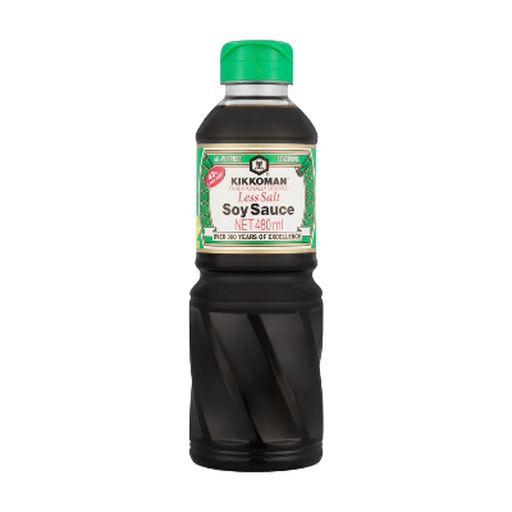
KIKKOMAN Reduced Sodium Soy Sauce 16.2oz PET Bottle
Why this product suits the profile: The 16.2-oz PET bottle offers a manageable quantity for households that want to try reduced-salt soy sauce first. According to the product information, it contains 0.9 g of salt per 15 ml.
The choice can be assessed using specific serving-size and per-100-ml figures, rather than relying solely on the term “Reduced Sodium”.
Traditionally brewed according to the product description, suitable for vegans and intended for marinating, frying, glazing and dipping.
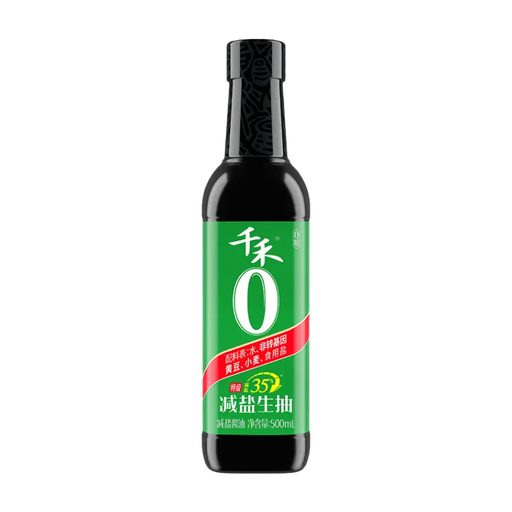
Qianhe 35% Reduced Salt Light Soy Sauce 500ml
Why this product suits the profile: The 500-ml bottle combines a medium household size with a stated reduction of 35 per cent according to the product description. Its salt content is 11.5 g per 100 ml.
The stated percentage is supported by complete nutritional information. This allows you to compare your purchasing decision with the actual salt content.
Five ingredients according to the product information, with no MSG, artificial colourings, preservatives or yeast extract; suitable for wok dishes, dips, cold foods and marinades.
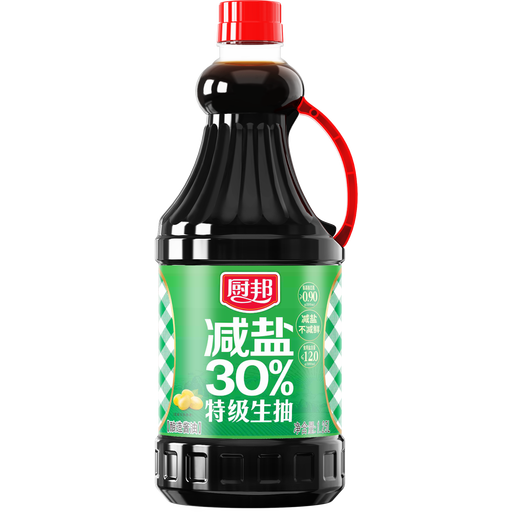
ChuBang 30% Salt Reduced Premium Light Soy Sauce 1.25L
Why this product suits the profile: With 1.25 litres, this bottle is aimed at frequent users who regularly prepare Asian dishes, marinades and dips. The product description states a salt reduction of 30 per cent.
Choose the large pack only if your rate of use is compatible with its shelf life and storage requirements. Despite the stated reduction, its salt content of 14 g per 100 ml still needs to be checked.
1.25 litres; suitable for dipping, wok dishes, seasoning and salad dressings according to the product information.
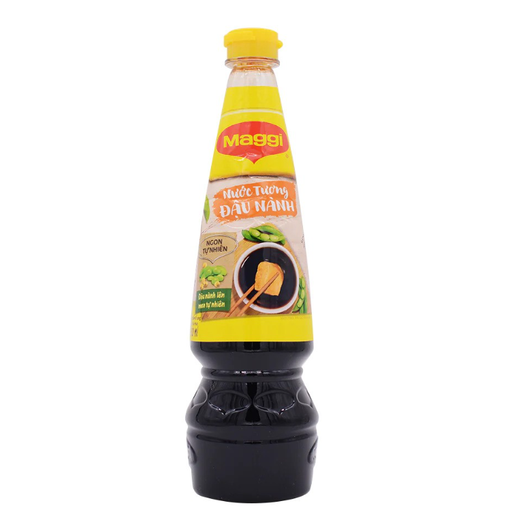
MAGGI Light Soya Sauce Yellow Cap 700ml
Why this product suits the profile: The 700-ml bottle is suited to everyday Vietnamese cooking, marinades, soups, stir-fried vegetables and dips. Its salt content should be taken into account carefully before buying.
The label shows that “Light” does not automatically mean low in sodium: it lists 14.3 g of salt per 100 g, as well as wheat and several additives.
Imported directly from Vietnam; according to the product description, it can be used in a variety of ways for marinades, stir-fries, dips and broths.
Looking for more options?
We have put together a complete, regularly updated list of products that fully meet these strict selection criteria and the safety regulations applicable in the EU.
Practical choices for everyday cooking
For reduced-salt soy sauce, three steps are particularly useful:
- Use sparingly when cooking: Add the sauce a teaspoon at a time, then taste the dish.
- Season hot dishes towards the end: With wok dishes or soups, you can add the sauce near the end of cooking. This makes it easier to control the amount.
- Dilute it when dipping: A small amount of soy sauce can be combined with water, rice vinegar, lime juice, sesame oil or herbs. This changes the flavour and reduces the amount needed per bite.
If you are looking for vegan soy sauce, also check for suitable labelling and possible ingredients such as fish or meat derivatives. If you have a gluten intolerance, gluten-free alternatives are required; according to the product information, most of the products mentioned here contain wheat.
Frequently asked questions about reduced-salt soy sauce
Is reduced-salt soy sauce automatically low in sodium?
No. “Reduced salt” describes a reduction compared with a reference product. You can determine whether a sauce is suitable for your personal diet by checking its specific sodium or salt content per 100 ml and the serving size used.
How should reduced-salt soy sauce be stored after opening?
This depends on the individual label. Several products recommend storing the sauce in a cool, dry place and keeping it in the refrigerator after opening. Reseal the bottle after each use and follow the best-before date and the manufacturer’s instructions.
Which soy sauce is suitable for cooking and dipping?
Light Chinese, Japanese and Vietnamese varieties can be suitable for both purposes. To make a specific choice, check the uses stated by the supplier, as well as the consistency, ingredients and salt content. A smaller bottle is often more practical for occasional dipping, while frequent users may benefit from larger bottles.