
Selecting the Right Mini Projector
A mini projector promises big-screen entertainment anywhere—from movie night in the bedroom to a presentation in the office. But the market is flooded with devices whose marketing promises often dazzle more than the projected image. Many buyers invest in a device that becomes unusable after a short time due to technical flaws or exaggerated performance claims. As your Joybuy Product Recommendation Officer, I'll help you identify the crucial features and make an informed choice.
The 3 Most Common Traps When Buying a Mini Projector
Before we dive into the recommended features, it's important to know the most common pitfalls that lead to disappointment.
- Misleading Brightness Specs: Many manufacturers advertise with fantasy values like "9000 Lumens" or "Luminous Flux," which say nothing about the actual image brightness. These numbers are often based on the brightness of the lamp itself, not what arrives on the screen. The only reliable measure is ANSI Lumens. A device with "8000 lumens" can, in practice, be darker than a model with 300 ANSI Lumens.
- "4K Support" with Low Native Resolution: A common trick is to advertise "4K support." This merely means the projector can process a 4K signal. However, the actual display is rendered at the device's much lower native resolution (often just 480p or 720p). The result is a downscaled, blurry image that is far from true 4K projector quality.
- Unstable "Smart" Operating Systems: A smart projector with Wi-Fi and Bluetooth is convenient, but only if the system works. Budget models often use outdated or unlicensed versions of Android. The consequences: essential apps like Netflix or Disney+ don't work due to copy protection (HDCP), the system is slow, insecure, and receives no updates.
What Really Matters: The 3 Decisive Features
To avoid a bad purchase, you should focus on objective, verifiable parameters. These three factors are the primary determinants of a mini projector's quality and usability.
1. Brightness in ANSI Lumens
The brightness, measured in ANSI Lumens, is the most important factor for image quality in varying light conditions. It describes how bright the projected image actually appears on the projection surface.
- Up to 300 ANSI Lumens: Suitable for completely dark rooms. Ideal for ceiling projection in the bedroom.
- 300 to 800 ANSI Lumens: Sufficient for darkened living rooms or for use as an outdoor projector at dusk. A good all-rounder for the home cinema projector experience.
- Over 800 ANSI Lumens: Provides a clear image even in rooms with some ambient light. These devices are more versatile.
2. Native Resolution Instead of "Supported" Resolution
Always pay attention to the native resolution. It indicates how many physical pixels the image is actually composed of.
- Native 720p (1280x720): The absolute minimum for acceptable image sharpness on smaller projection surfaces.
- Native 1080p (Full HD, 1920x1080): The standard for a sharp and detailed home cinema experience. A Full HD projector delivers a clear image that is impressive even on larger screens.
- Native 4K (3840x2160): Offers the highest detail density but is still rare in the compact mini-projector segment and found in a higher price range.
3. Stable OS and Smart Features
A modern Android projector should have a licensed and up-to-date operating system (e.g., Google TV or a stable Android 11+) to ensure app compatibility and security. Equally important for hassle-free use are:
- Autofocus and auto-keystone correction: These features automatically focus the image and correct distortions when the projector is placed at an angle to the wall. This saves tedious manual adjustments.
- WiFi 6 and Bluetooth 5.2+:WiFi 6 ensures a stable and fast connection for streaming high-resolution content. Bluetooth allows for the easy connection of external speakers or headphones, which is especially important for models with weak internal speakers. A quiet projector is also a plus, so fan noise doesn't disrupt the movie experience.
Our Selection: The Right Mini Projectors for Different Needs
Here are some recommendations for 2026, tailored to different user profiles and adhering to the quality criteria mentioned.
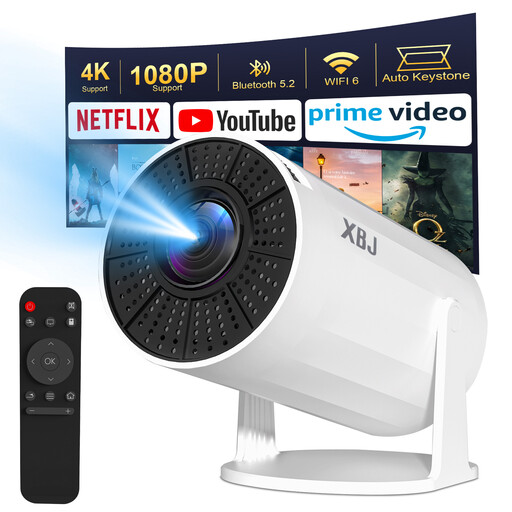
【Lite Entertainment | Upgraded Version】XBJ Portable White Projector
Why This Fits Their Persona: Ideal for students or as a second device for the bedroom. The rotating stand allows for easy ceiling projection without an extra tripod. Perfect for occasional movie nights in dark rooms.
The device transparently states its native 720p resolution and 200 ANSI lumens brightness. The Android 11 system offers a functional smart platform for its price point, avoiding the trap of unstable budget systems.
Integrated 220° stand for flexible projection. WiFi 6 and Bluetooth 5.2 for stable connectivity.
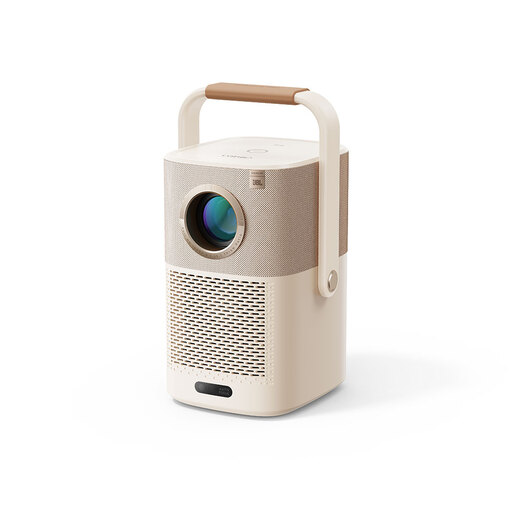
Yaber T2 Plus GTV Outdoor Projector
Why This Fits Their Persona: For families and outdoor enthusiasts looking for a versatile and portable projector. The built-in projector with battery and JBL speakers make it the perfect companion for movie nights in the garden or while camping.
With the Google TV dongle, it offers a licensed, stable operating system with full app access (including Netflix). The native 1080p resolution ensures a sharp image, bypassing the "supported" resolution trap.
Built-in battery for up to 2.5 hours of playback. Integrated JBL speakers with Dolby Audio for great sound without external speakers.
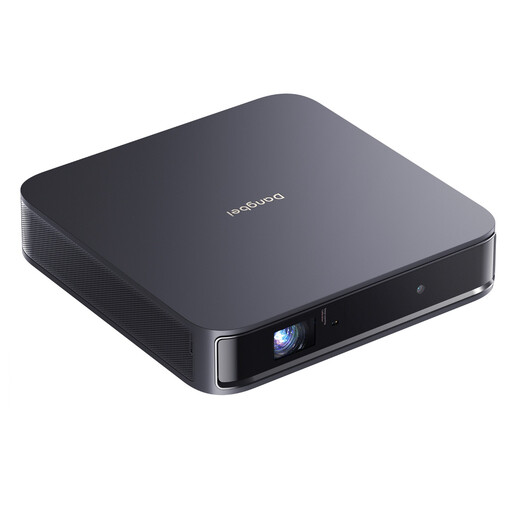
Dangbei Atom Portable Laser Projector
Why This Fits Their Persona: For users seeking a high-quality, compact alternative to a TV. The laser light source and high brightness deliver a brilliant image even in rooms that aren't completely dark. Ideal for demanding home cinema and gaming projector applications.
With 1200 ISO lumens, it specifies a reliable and high brightness. The native 1080p resolution and official Google TV system with a Netflix license meet all quality standards and bypass the typical pitfalls.
ALPD laser light source for high brightness, long lifespan, and better colours. Ultra-slim design (4.75 cm height) and fully automatic image correction.
Looking for more options?
We've curated a complete, up-to-date list of products that fully meet these strict selection criteria and rigorous quality standards.
Frequently Asked Questions (FAQ)
How many ANSI lumens do I really need?
It heavily depends on your viewing environment. For enjoying a movie in a darkened bedroom or basement, 200-300 ANSI lumens are sufficient. If you want to use the projector flexibly in a living room with ambient light or in the garden in the evening, you should consider a model with at least 500-700 ANSI lumens.
Can a mini projector replace a TV?
For many use cases, yes, but there are trade-offs. A projector offers an unparalleled large and flexible screen size. However, the image quality, especially contrast, is highly dependent on ambient light. A TV delivers a brilliant picture even in bright rooms. For film and series fans who mainly watch in the evening, or for users with limited space, a high-quality portable projector can be an excellent alternative.
Does Netflix work on every smart projector?
No. Many cheap projectors with non-licensed Android systems cannot play Netflix and other copy-protected streaming services in HD, or the app won't even start. To avoid compatibility issues, look for devices with officially licensed operating systems like Google TV, Android TV, or a system explicitly designated by the manufacturer as Netflix-certified.