
Mattress mite vacuum cleaner: a guide to choosing one for clean beds and upholstered furniture
A mattress mite vacuum cleaner can pick up loose skin flakes, dust, pet hair and other particles from fabrics. But for allergy sufferers, families with children and pet owners, choosing the right model isn’t just about a high Pa rating. The combination of brush action, filtration, ease of use and safe operation matters.
Common buying and marketing pitfalls
1. High suction power doesn’t automatically mean a thorough clean
Figures such as 13 or 20 kPa describe suction pressure, but say little about how well a device lifts particles from tightly woven mattress fabric. Without a tapping or vibration function, some dust may remain trapped in the fibres. That’s why a mattress vacuum cleaner with mechanical agitation can be more practical for removing ingrained debris than a model that only vacuums.
2. UV-C and hot air are often overinterpreted
A UV-light mite vacuum cleaner needs direct contact with the surface for long enough. The lamp doesn’t replace vacuuming or washing your bedding regularly. Hot air isn’t suitable for every fabric either: delicate materials can be affected by heat. Before you buy, check the safety cut-offs, instructions for use and permitted areas of use.
Percentage figures for reducing mites or bacteria should always be understood as manufacturer claims under specific test conditions. They are not medical or therapeutic guarantees.
3. Filters and maintenance are often overlooked
A small dust container may need emptying frequently when you’re cleaning a large mattress. A clogged filter can also reduce airflow. For allergy sufferers, a mite vacuum cleaner with a HEPA filter may be worth considering, provided the filter type, maintenance requirements and fine-particle retention are clearly stated. Washable filters must be completely dry before you put them back in.
The most important technical features
Tapping function and brush head
A vibration or tapping function loosens dust, skin flakes and hair from the fabric. Check the stated frequency, the width of the vacuum head and whether the brush is likely to clog quickly with pet hair. A wide head is practical for a large bed; a more compact model may be easier to use on sofas, cushions and hard-to-reach areas.
Filtration and dust container
A HEPA filter can trap fine particles in the exhaust air. However, the name alone doesn’t guarantee a particular level of filtration, so check the manufacturer’s specific details. Dual dust chambers or separate filter sections can help maintain stable airflow. A capacity of around 0.3 to 0.5 litres is manageable for many uses, but the container will still need emptying regularly.
Cord, battery and weight
Corded models usually provide a constant power supply and are well suited to cleaning an entire mattress. Cordless devices are easier to use on sofas, cushions or in a motorhome, but have a limited running time and need recharging. Weight matters too: a device weighing several kilograms can become tiring to use for long periods on large beds.
Also check the CE marking, the mains voltage for the German market and the electrical safety information. UV-C light should only be active when the device is resting on the surface, and you should never look directly at it. Only use a bed vacuum cleaner on dry surfaces approved by the manufacturer.
Our picks for different users
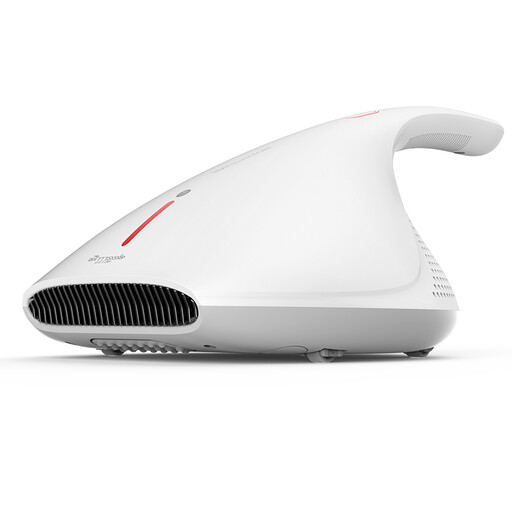
Deerma CM800 Mite Remover, Anti-Mite Vacuum Cleaner
Why this product suits this profile: This corded model combines a stated suction power of at least 13 kPa with a tapping function, 50 °C hot air and a 4.5 m cable. That makes it suitable for regular use on mattresses, sofas and carpets.
The combination of mechanical tapping and dual HEPA filtration means you’re less reliant on a single UV or suction-power claim.
8,000 tapping movements per minute according to the product information, a 0.5-litre dust container and a removable container for easy cleaning.
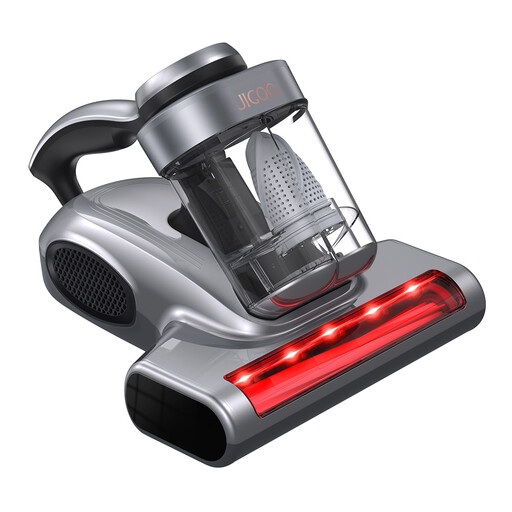
JIGOO J300 Pro Smart Dual-Cup Mattress Vacuum Cleaner
Why this product suits this profile: Its stated suction power of 14 kPa, 0.5-litre container, 60 °C hot air and dual filtration make it appealing to buyers looking for several technical features in one mattress cleaner.
The separate chambers are designed to provide more consistent filtration. Even so, claims about reducing mites and bacteria should be treated as manufacturer claims.
Digital display, washable components according to the description and a maximum noise level of 76 dBA according to the product information.
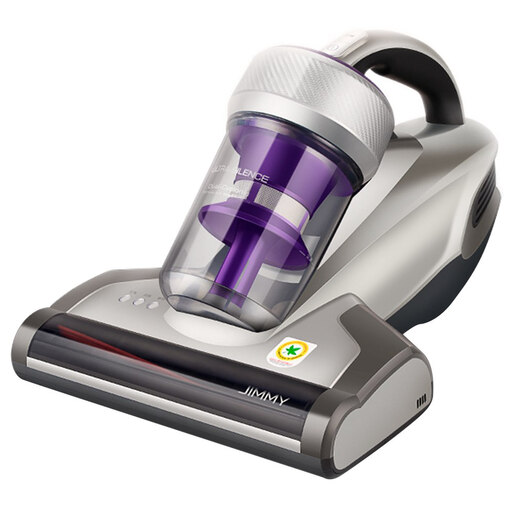
JIMMY JV35 Bed Vacuum Cleaner for Mattress
Why this product suits this profile: With 700 W, a stated 14 kPa, a 5 m cable, a 0.5-litre dust container and a 245 mm-wide cleaning head, it’s designed for frequent use on large mattresses and upholstered furniture.
The anti-tangle roller brush is designed for pet hair and fluff. This helps reduce a common cause of maintenance in homes with pets.
Dual-cyclone filtration according to the product description, 253.7 nm UV-C light and 60 °C hot air as combined features.
Looking for more options?
We’ve put together a complete, regularly updated list of products that meet these strict selection criteria and the safety regulations in force in the EU.
Using and caring for a mattress vacuum cleaner
For an even clean, move slowly in overlapping strokes. Remove bedding and blankets first. Empty the dust container after use, and clean the brush and filter according to the instructions. Only wash filters if this is expressly recommended, and make sure they’re completely dry before putting them back in.
An anti-mite vacuum cleaner is no substitute for washing suitable fabrics, airing your home regularly or following your mattress care instructions. If you have allergies or asthma, follow the individual advice of medical professionals. A device can remove particles, but it can’t diagnose or treat symptoms.
FAQs about bed mite vacuum cleaners
How often should you use a mite vacuum cleaner on your mattress?
It depends on how often you use it, the amount of dust, whether you have pets and your personal needs. Regular use every few weeks may be helpful. You can also clean it more often if it gets visibly dirty or you change the bedding frequently. The key is to clean the entire surface slowly and thoroughly.
How long does a mite vacuum cleaner last?
Its lifespan depends on the motor, brush care, filter changes and how often you use it. Empty the container in good time, remove hair from the brush roller and don’t run the device with damp filters. With a battery-powered model, battery capacity is also an important long-term cost to consider.
Does a bed vacuum cleaner have high running costs?
Corded devices use electricity while they’re running; for most households, this costs relatively little compared with the purchase price and filter maintenance. For cordless models, factor in the battery, charger and any replacement filters. Before you buy, check whether replacement filters and brushes are available.