
Buying a Mite Vacuum: What Really Matters for Mattresses, Sofas and Carpets
A mite vacuum can complement the regular cleaning of textile surfaces. However, it does not replace washing your bedding, airing the room, or a thorough household clean. For allergy sufferers, asthmatics, families with children and pet owners, what matters most is whether the device suits the surface in question and the intended use.
When choosing, three common marketing pitfalls often lead to poor purchases:
- UV-C light is equated with complete disinfection. A UV-C lamp can be part of a device's cleaning concept. However, its effectiveness depends on factors such as distance, contact time and the actual design. A UV-C mite vacuum does not automatically make an entire mattress or sofa germ-free.
- High Pa or watt figures are considered in isolation. The stated suction power does not alone determine how well a device removes dust from a fabric. Brush shape, airflow, filter condition and seals also influence real-world performance.
- Filters and maintenance are underestimated. A HEPA filter can trap fine particles if it is correctly fitted and regularly cleaned or replaced. A clogged filter, on the other hand, reduces airflow. A small dust container can also create extra work with frequent use.
These Technical Specifications You Should Check Before Buying
1. Filter, Dust Container and Airflow
A mite vacuum with a HEPA filter should ideally have a clearly described filtration system. Check whether the filter is washable, how it must be dried, and whether replacement filters are available. For households with sensitive individuals, a sealed airflow path is also advisable, so that the drawn-in air does not escape immediately through any gaps.
Pay attention to the container volume. A device with 0.3 to 0.5 litres is sufficient for individual mattresses or upholstery, but will need emptying more often if you have several beds and sofas. Emptying should be possible with minimal contact. Classic dry vacuums must never be used to pick up moisture.
2. Beating Function, Brush and Contact Surface
A beating function mechanically loosens dust and particles from the fibres before they are sucked up. Figures such as "8,000 beats per minute" or "72,000 beats per minute" are technical values, but not proof of cleaning effectiveness on their own. What matters is whether the beating action is suitable for mattresses, upholstery and carpets, and whether it does not put unnecessary strain on the fabric.
A wide suction opening reduces the number of passes needed. For edges, seams and hard-to-reach areas, a narrow attachment can be more practical. A bed vacuum with a fixed mattress attachment is typically better suited for beds than a large floor vacuum without a suitable upholstery nozzle.
3. UV-C, Hot Air and Safety
With a mite vacuum with UV-C light, there should be an automatic shut-off when the device is lifted. The lamp must not be looked at directly and should never be operated when exposed. Some models combine UV-C with warm air, for example 50 °C or 65 °C. Check beforehand whether delicate textiles can be treated according to the instruction manual.
A mattress vacuum with a cable is always ready to use, whereas a cordless model offers more freedom of movement. For several beds, sofas and carpets, the runtime in the selected power mode is more important than the theoretical maximum in energy-saving mode.
Our Selection by Usage Profile
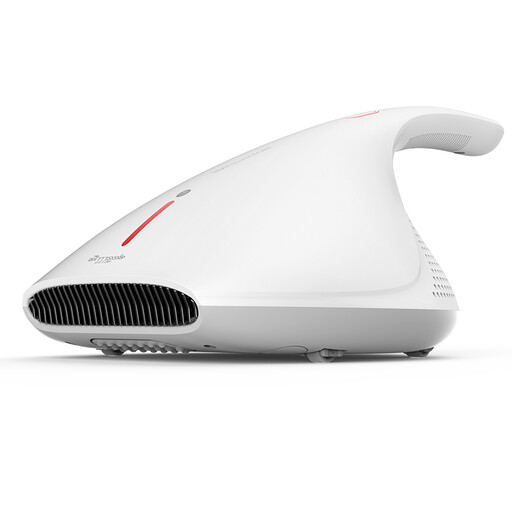
Deerma CM800 Mite Remover
Why this product fits the profile: This corded device is designed for beds, sofas and carpets, and requires no charging breaks.
The product specifications mention a beating function, 50 °C warm air, a UV-C lamp and automatic safety shut-off via pressure and touch sensors.
According to the product description: 13 kPa suction pressure, 8,000 beating movements per minute, 0.5-litre dust container and two-layer HEPA filtration.
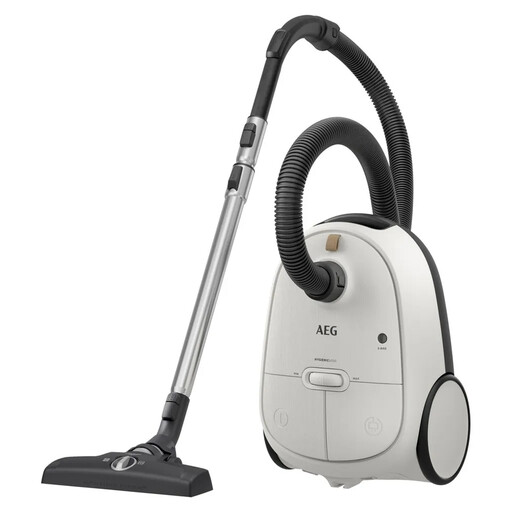
AEG AB61H6SW
Why this product fits the profile: This floor vacuum covers many surfaces and can be used with a turbo nozzle for upholstery and mattresses.
Instead of an isolated marketing figure, this model offers a dust bag, described HEPA filtration and a separate turbo nozzle for textile surfaces.
According to the product specifications: 3.5-litre dust bag, 12-metre operating radius, 73 dB noise level and HEPA filtration with a stated efficiency of 99.99% for particles from 0.3 micrometres.
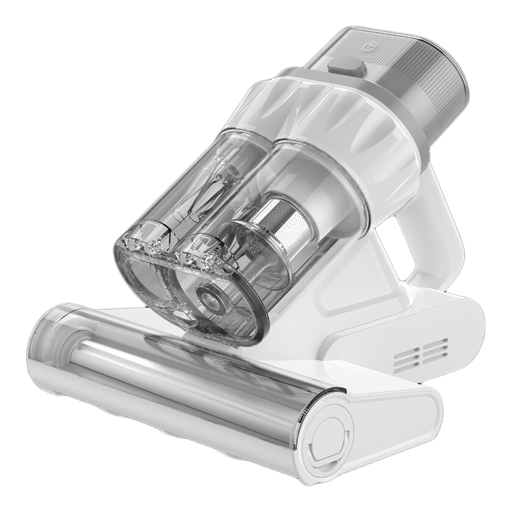
ochama Mattress Vacuum Cleaner
Why this product fits the profile: This specialised device is designed for mattresses, bedding, carpets and pet areas.
According to the product description, the UV-C lamp is only activated when the device is placed on the surface. The manufacturer also highlights protection against direct UV-C contact.
Stated specifications: 12 kPa suction power, 65 °C warm air, 300 ml dust container, 240 mm suction opening and a beating function with 72,000 movements per minute.
Looking for more options?
We have compiled a complete, regularly updated list of products that fully meet these strict selection criteria and the safety regulations in force in the EU.
Use and Ongoing Costs
To clean a mattress, guide the bed vacuum slowly and in overlapping passes over the surface. Seams, edges and the area under the bed deserve particular attention. After each use, empty the dust container and clean the filter according to the instructions. Washable filters must be completely dry before being reinserted.
Ongoing costs include replacement filters, dust bags and, where applicable, batteries. Corded devices involve no charging time, whereas cordless mite vacuums offer more flexibility. An anti-mite vacuum with a special function is not automatically suitable for hard floors. For a household with many different surfaces, a standard vacuum cleaner with a HEPA filter and upholstery nozzle can be the more versatile addition.
FAQ About Mite Vacuums
How often should you use a mite vacuum?
That depends on the household, the textiles and your personal sensitivity. Regular cleaning of mattresses, sofas and pet sleeping areas is sensible, without exceeding the manufacturer's instructions for the surface. Bedding should also be washed according to the care label.
Is a UV-C mite vacuum necessary?
No. UV-C light is an additional feature, but not a replacement for mechanical suction, washing and airing. In particular, check for safety shut-off, surface contact and clear usage instructions.
How long does a mite vacuum last?
The lifespan depends on the motor, filter maintenance, brush wear and intensity of use. Regularly emptying the container, keeping filters dry and using the device according to the instruction manual can help maintain its functionality. The availability of spare parts should be checked before purchase.