
Buying chilli oil and chilli sauce: how to choose the right heat, flavour and uses
If you’re looking to buy chilli oil and chilli sauce online, you’ll find a wide selection from China, Vietnam, Indonesia and other countries. However, products can vary considerably in their ingredients, heat, texture and intended use. An oil for noodles isn’t necessarily a suitable chilli sauce for dipping, and a sweet sauce won’t always work with hot pot or stir-fries.
This guide explains what to look for when buying and which products might suit different cooking habits.
Common pitfalls when buying chilli oil and chilli sauce
1. Confusing heat with flavour
The term ‘extra hot’ tells you little about the actual flavour experience. Hot chilli oil may deliver mainly heat, while Sichuan chilli oil also creates a tingling, slightly numbing sensation thanks to Sichuan pepper. Vietnamese chilli sauce, on the other hand, often contains sugar, garlic and acidity regulators, giving it a sweet-and-sour flavour.
So check the ingredients list rather than relying on the label design. Chilli, Sichuan pepper, garlic, sesame, peanuts, fermented beans or prawns have a greater impact on flavour than simply describing the colour as ‘red’.
2. Mixing up oil, crisp and sauce
- Chilli oil: A liquid oil base with chilli and spices, suitable for drizzling over finished dishes.
- Chilli crisp: Usually contains solid ingredients such as chilli, garlic, peanuts or beans, adding extra crunch.
- Chilli sauce: Often thick, sweet or sour, and particularly convenient as a dip.
- Sambal: An Indonesian seasoning paste or sauce with visible pieces of chilli and spices.
If you’re expecting a crunchy texture for rice or dumplings, a clear chilli oil could disappoint. Conversely, a coarse chilli crisp may not be the right choice for a smooth dipping sauce.
3. Overlooking allergens and storage instructions
Many Asian seasoning sauces contain soya, wheat, sesame, peanuts or crustaceans. It’s worth checking the label even on oils that appear to contain only a few ingredients. Depending on the product, it may need to be stored in a cool, dark place or kept in the fridge after opening. Always follow the specific advice on the label.
What to check before buying
Ingredients and the texture you want
For a mild, aromatic finish, choose products with only a few ingredients, such as rapeseed oil, chilli and Sichuan pepper. If you’d like more bite, look for solid ingredients such as garlic, peanuts, sesame, meat or fermented beans.
A thick Asian chilli sauce containing sugar and tomato is good for coating spring rolls, fried chicken or sandwiches. For chilli oil for noodles, on the other hand, easy pouring and an intense spice flavour matter more than a thick consistency.
Heat, sweetness and Sichuan pepper
Think about whether you’re after straightforward chilli heat, a sweet-and-sour sauce or the distinctive mala flavour profile. Mala combines chilli heat with the characteristic tingling sensation of Sichuan pepper. Chinese chilli oil containing Sichuan pepper often works well with noodles, cold dishes and stir-fries. For chilli oil for hot pot, an aromatic pepper oil can be used as part of a custom dipping sauce.
Quantity, nutritional information and allergens
Chilli oils are mostly made up of oil, so they often have a high energy content per 100 millilitres or 100 grams. Chilli sauces, by contrast, may contain relatively little fat but more sugar or salt. The serving size affects how much they contribute to your meal.
If a product contains prawns, prawn paste, peanuts, sesame, soya or wheat, anyone with allergies should check the full packaging information. Recipes and packaging details can change.
Our picks for different needs
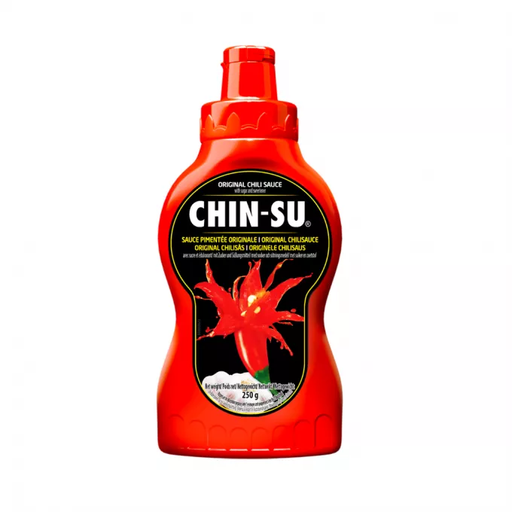
CHIN-SU Hot Chili Sauce 250g
Why it suits this profile: This thick sauce can be served straight from the bottle as a dip, or used to season soups, stir-fries and sandwiches. According to the product information, it has a medium level of heat.
The product description specifies its texture, heat and suggested uses. It’s clear that this is a sauce, not a pure chilli oil.
250 g pack, thick consistency and versatile uses. The product information says it’s gluten-free, but it does contain the E120 colour.
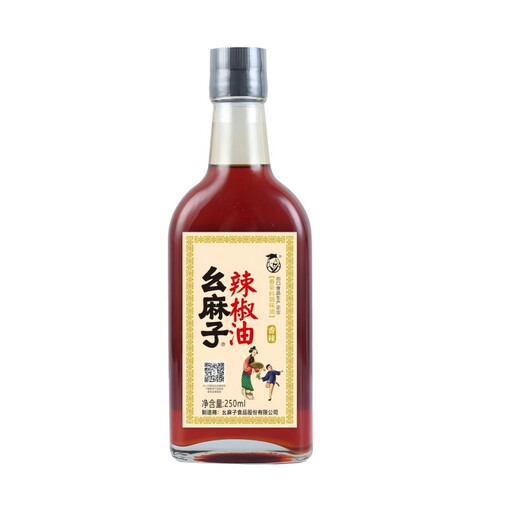
Yaomazi Chili Oil 250ml
Why it suits this profile: The stated recipe contains rapeseed oil, chilli and spices. It’s intended for cold dishes, noodles, hot pot and stir-fries.
The ingredients list is short and specifies a chilli content of 28 per cent. This makes it easier to compare with blends containing lots of additional flavourings.
250 ml contents, no allergens listed and clear advice to add it at the end of cooking.
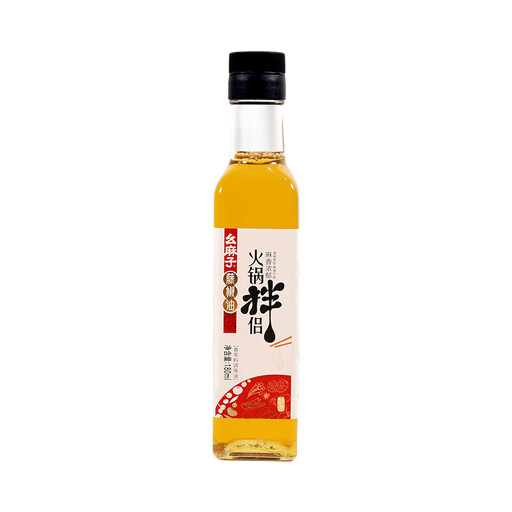
Yaomazi Rattan Pepper Oil – Hot Pot Dipping Sauce, 180 ml
Why it suits this profile: The combination of green Sichuan pepper, ginger and sesame is designed for hot pot dips, noodles and cold dishes.
This product is clearly presented as a pepper oil for dips, not a sweet chilli sauce. The product information also includes an allergen warning for sesame.
180 ml contents, a specific hot pot use and a clearly described Sichuan pepper flavour.
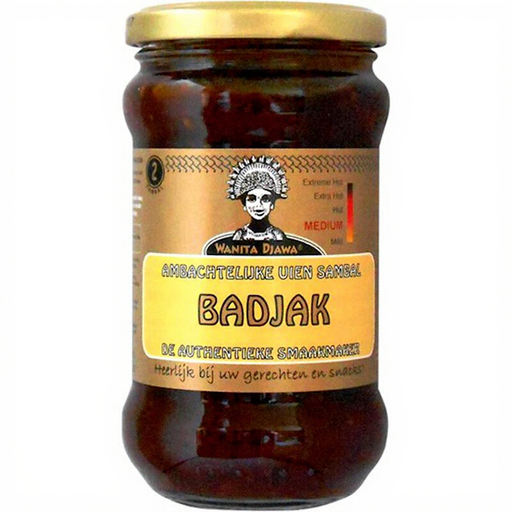
Wanita Djawa Badjak (Medium Hot) 290 ml
Why it suits this profile: This Indonesian sambal combines red peppers, onions, garlic, spices and prawn paste. According to the product information, it has a medium level of heat.
The product type, heat level and typical uses are all specified. This makes it easier to distinguish sambal from Chinese chilli oil or a sweet dipping sauce.
290 ml contents and versatile uses with rice, noodles, meat and vegetables. Contains prawn paste and candlenuts.
Looking for more options?
We’ve put together a complete, regularly updated list of products that meet these strict selection criteria and the safety regulations in force in the EU.
How to use chilli oil and chilli sauce
- For noodles: Mix a teaspoon of chilli oil or chilli crisp with soya sauce, rice vinegar and a little noodle cooking water.
- For dumplings: Serve a thick chilli sauce or a blended chilli oil as a dip. Check the ingredients first if the product contains sesame, soya or peanuts.
- For hot pot: Combine pepper oil, garlic, sesame and soya sauce to taste.
- For stir-fries: Add chilli oil towards the end so its flavour isn’t heated for longer than necessary.
- For cold dishes: Stir in oil or sambal directly, starting with a small amount.
Frequently asked questions
How long does chilli oil keep after opening?
It depends on the product, packaging and manufacturer’s instructions. Many products should be stored in a cool, dark place or in the fridge after opening, and used promptly. Always follow the best-before date and the instructions on the relevant label.
What’s the difference between chilli oil and chilli sauce?
Chilli oil is mostly oil and is usually used for drizzling or seasoning. Chilli sauce often contains water, sugar, acidity regulators and thickeners. This usually makes it thicker and ready to serve as a dip.
Which product is suitable for a mild level of heat?
A chilli sauce described as medium-hot, such as CHIN-SU Hot Chili Sauce or Wanita Djawa Badjak, may be a better choice for beginners than a highly concentrated chilli oil. Start with a small amount and add more if needed.