
Buy Chilli Oil: How to Compare Varieties, Heat Levels and Ingredients
If you're looking to buy chilli oil, you'll find a huge selection online from China, Sichuan, Indonesia, Thailand and Japan. However, the products differ significantly: some consist mainly of oil and chilli flakes, while others contain garlic, sesame, peanuts, fermented beans or even meat. Heat level, consistency and intended use aren't always obvious at first glance.
To make sure your jar doesn't end up unused at the back of the fridge after just a few uses, it's worth avoiding a few common pitfalls before you buy.
Common Buying Pitfalls with Chilli Oil and Chilli Sauce
1. "Hot" doesn't tell you much about the actual flavour
A hot chilli oil can be dry, smoky, salty, garlic-forward or aromatic. A chilli sauce, on the other hand, often contains water, sugar, vinegar or thickeners, making it better suited as a dip or table sauce. For chilli oil for noodles or dumplings, an oily, savoury recipe with visible chilli pieces is usually a better fit.
2. Marketing terms are no substitute for an ingredients list
Labels like "traditional", "extra hot" or "authentic" should be judged against the product information. What really matters is the chilli content, the type of oil used, any additional spices and the consistency. A Sichuan chilli oil with Sichuan pepper can also create a numbing, tingling sensation in the mouth – that's not the same as a higher pure heat level.
3. Allergens and storage are easy to overlook
Asian condiments can contain soya, wheat, sesame, peanuts, crustaceans or sulphites. For products with dried shrimp, shrimp paste or fermented beans, it's especially important to check the allergen labelling. Once opened, many oils and sauces need to be stored in a cool place or used within a certain timeframe.
What to Look for Before You Buy
Ingredients and quantities
Don't just compare the jar size – compare the composition too. Yaomazi Chili Oil 250 ml, for example, lists rapeseed oil, 28% chilli and spices. That suggests a fairly straightforward recipe with no declared allergens. YiXian Sichuan Chili Oil 370 ml, on the other hand, is based on soya oil and chilli powder, and contains the colouring E160c.
For a satisfying crunch, solid ingredients are key. Nanshanpo Spicy Chili Oil 230 g contains peanuts, sesame, garlic, ginger and Sichuan pepper, among other things. Such ingredients change the flavour and texture significantly compared with a clear, mostly oil-based product.
Oil, sauce or chilli crisp?
- Chilli oil: A liquid base, often with chilli flakes, garlic or spices. Ideal for drizzling and seasoning.
- Chilli crisp: Usually contains a higher proportion of solid ingredients such as fried onions, beans, peanuts or meat. Texture takes centre stage.
- Chilli sauce: Often contains water, vinegar, sugar and thickeners. Works well as a dip, marinade or cooking ingredient.
- Sambal Oelek: A thick chilli paste with visible chilli pieces or seeds. Great with rice, stir-fries, soups and marinades.
- Sriracha sauce: A typically sweet and sour chilli sauce with garlic. The "extra hot" version isn't automatically a substitute for Sichuan chilli oil.
Nutritional values and salt content
Chilli oil is largely made up of oil, so it's high in energy. CUIHONG Spicy Red Oil 200 g lists 85.2 g of fat per 100 g, while Lee Kum Kee Chaozhou Chili Oil 335 g has 66 g of fat and 6.9 g of salt per 100 g. These figures help you choose a sauce that fits your diet and portion size.
With heavily seasoned products, it's a good idea to start with a teaspoon and then adjust to taste. Especially with chilli oil for hot pot or dumplings, the oil is often combined with soya sauce, rice vinegar, garlic or spring onions.
Our Selection by Usage Profile
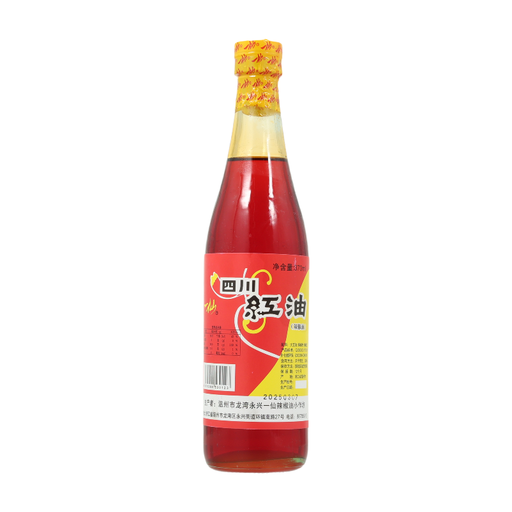
YiXian Sichuan Chili Oil 370 ml
Why this product fits the profile: The 370 ml bottle is ideal for households that want to use chilli oil regularly with noodles, cold dishes or as a dip.
The product information clearly states oil, chilli powder and colouring, so the recipe won't be mistaken for a chunky chilli crisp sauce.
370 ml content, ready-to-use application and suitability for dressings, dips and cooked dishes.
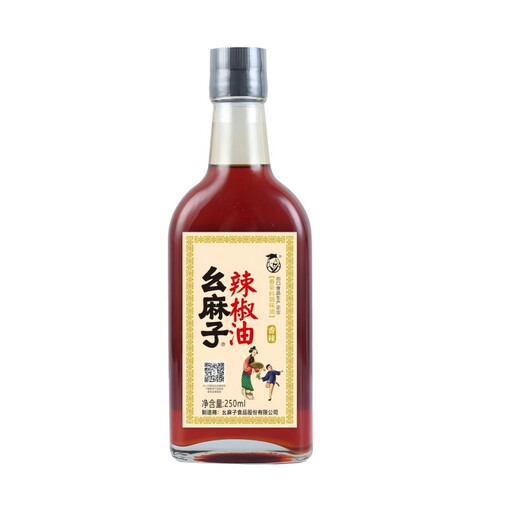
Yaomazi Chili Oil 250 ml
Why this product fits the profile: The declared Sichuan recipe with 28% chilli is aimed at users who want a concentrated ingredients list and versatile use.
The stated chilli content makes selection more transparent than relying on a marketing claim like "extra hot" alone.
Rapeseed oil base, no declared allergens and uses for cold dishes, noodles, hot pot and stir-fries.
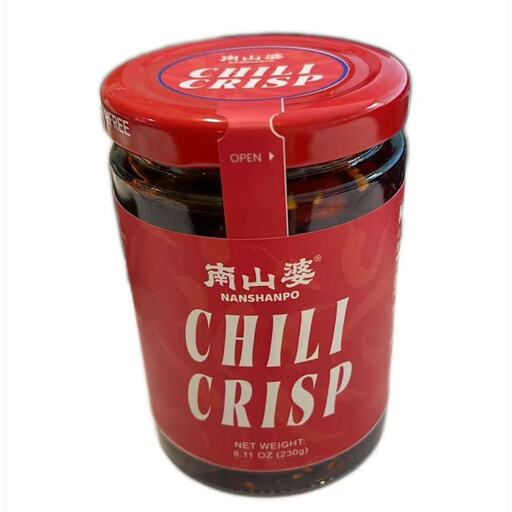
Nanshanpo Spicy Chili Oil 230 g
Why this product fits the profile: The combination of chilli, peanuts, sesame and solid ingredients suits users who prefer texture with rice, noodles and dumplings.
The solid ingredients are named in the description, making it clear that this isn't a thin, clear seasoning oil.
230 g content, at least 50% solid ingredients according to the product information, and versatile use as a topping or dip.
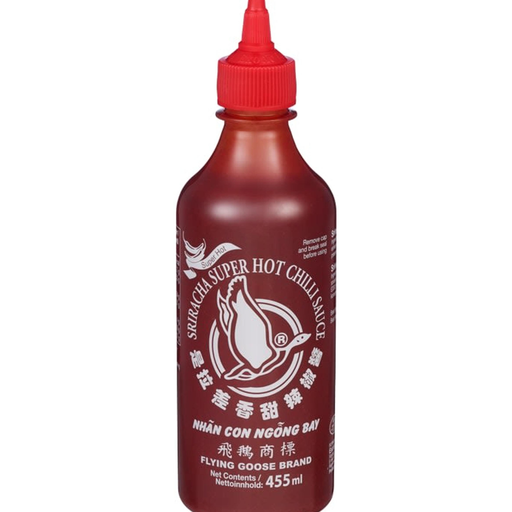
Flying Goose Sriracha Chilli Sauce Extra Hot 455 ml
Why this product fits the profile: This Thai sriracha sauce contains 70% chilli according to the product information, and is ideal for dishes where a liquid, sweet and sour heat is needed.
The label as a sauce and the ingredients including sugar, garlic and acidity regulators make it clear that it shouldn't be equated with a pure Sichuan chilli oil.
455 ml content, 70% chilli as declared, and use as a dip or seasoning for soups, wraps and Asian dishes.
Looking for more options?
We've put together a full, regularly updated list of products that fully meet these strict selection criteria and the safety regulations in force in the EU.
How to Store and Use Chilli Oil Properly
Always follow the instructions on the packaging. Many products should be stored unopened in a cool, dry place away from direct sunlight. Refrigeration may be required after opening. The Fiery Dried Shrimp Chilli Oil 205 g should, according to the product information, be refrigerated after opening and used within one week. For products containing meat, shrimp or paste, the manufacturer's instructions are especially important.
Before use, stir or shake the jar so that the oil and solid ingredients are evenly distributed. For chilli oil for noodles, start with one to two teaspoons. For dumplings, a mix of chilli oil, black rice vinegar and soya sauce works well. For hot pot, you can combine the oil with garlic, spring onions and other ingredients in a separate dipping bowl.
FAQ: Common Questions About Buying Chilli Oil
What's the difference between chilli oil and sambal oelek?
Chilli oil has a liquid oil base and, depending on the variety, contains chilli flakes and spices. Sambal oelek is a thick chilli paste with visible chilli pieces or seeds, and often less oil. Chilli oil is practical for dressings and drizzling, while sambal oelek is used more as a paste in sauces and marinades.
How long does opened chilli oil keep?
That depends on the recipe, packaging and manufacturer's instructions. Products without easily perishable ingredients may last longer, but should be handled with a clean utensil and sealed tightly. Chilli oil with shrimp, meat or paste may have a much shorter shelf life. The best-before date and storage instructions on the label are what matter most.
Is "extra hot" always hotter than Sichuan chilli oil?
Not necessarily. "Extra hot" often describes the perceived chilli intensity of a sauce. Sichuan chilli oil may also contain Sichuan pepper, which creates a tingling or numbing sensation in the mouth. So compare ingredients, chilli content and intended use rather than just the product name.