
Buy Chilli Oil: A Guide to Choosing the Right Heat, Aroma and Versatile Uses
Chilli oil is one of the most straightforward seasonings in Asian cooking. A few drops can elevate noodles, rice, dumplings, stir-fries, salads or a hot-pot dipping sauce. Yet products vary significantly: some consist almost entirely of flavoured oil, while others contain chilli pieces, peanuts, sesame, fermented beans, meat or dried shrimp.
If you only look for the word "hot" or an eye-catching packet, you can easily end up with something that doesn't suit your needs. The following criteria will help you choose an Asian chilli oil that matches your personal taste and intended use.
Typical Mistakes When Buying Chilli Oil
1. Confusing heat with flavour
A hot chilli oil doesn't automatically offer a pronounced chilli flavour or complex seasoning. For noodles or dumplings, an oil with chilli, garlic and spices can work well. For Sichuan dishes, however, a product with Sichuan pepper is often more suitable, as it provides not only heat but also that characteristic tingling and numbing sensation.
2. "Chilli oil" and chilli sauce are not the same thing
A classic chilli oil is usually liquid and used for drizzling or as a finishing touch. Chilli crisp often contains crunchy chilli pieces, onions, garlic, peanuts or beans. A Chinese chilli sauce, on the other hand, tends to be thicker and may include additional ingredients such as soy sauce, sugar or fermented components.
Similarly, Sambal from Southeast Asia and Doubanjiang from Sichuan serve different purposes: Sambal is a group of paste-like chilli products, while Doubanjiang is a fermented bean chilli paste that is typically stir-fried in oil at the start of a wok dish.
3. Overlooking allergens and storage
Products containing peanuts, sesame, soya, wheat or shrimp are not suitable for every kitchen. One example is the Fiery Dried Shrimp Chilli Oil, which contains dried shrimp and shrimp paste. According to the product information, it contains gluten, soya and crustaceans. Other products, by contrast, consist only of oil and Sichuan pepper and, according to their product details, contain no allergens.
Once opened, always follow the instructions on the label. Many products recommend storage in a cool, dry place away from light; some also require refrigeration and consumption within a short period.
Parameters Buyers Should Check
Ingredients and texture
The ingredients list shows whether a product is intended as a pure seasoning oil, a chilli crisp or a ready-to-use chilli sauce. Key differences include:
- Oil base: Rapeseed oil, soya oil, sesame oil or blends all affect the aroma.
- Chilli content: A declared percentage helps you understand the composition.
- Inclusions: Garlic, peanuts, sesame, beans, meat or shrimp add extra texture and umami.
- Additives: Flavour enhancers, sugar, preservatives and colourings should be checked according to your own preferences.
The Yaomazi Pepper Oil 80 ml, according to the product description, consists of 67 % rapeseed oil and 33 % green Sichuan pepper. This makes it more of an aromatic Sichuan pepper oil than a classic red chilli oil.
Heat profile and Sichuan pepper
For a mild finish on rice or salad, an aromatic oil with moderate heat is often sufficient. If you're looking for chilli oil for noodles, dumplings or hot pot, you may also want to consider spices, garlic and chilli pieces. A chilli oil with Sichuan pepper is particularly suitable for Mala dishes, where heat and that characteristic tingle go hand in hand.
The product information should be your main guide. Labels such as "extra hot" don't always indicate how much chilli is actually present or whether the heat is accompanied by other spices.
Volume and intended use
Small bottles such as 33 ml or 80 ml are ideal for trying something new or for occasional use. For households that regularly cook noodles, stir-fries or hot pot, 200 to 335 g or ml is more practical. The recommended use is also important: a finishing oil is usually added at the end, whereas Doubanjiang is typically fried in hot oil at the start of cooking.
Our Selection for Different User Profiles
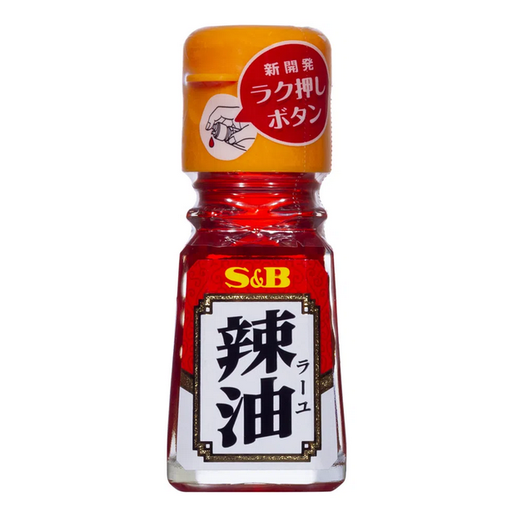
S&B LA-YU Chilli Oil 33ml
Why this product fits the profile: The small size is ideal if you want to try a Japanese-style chilli oil for the first time or only season occasionally.
The modest quantity reduces the risk of buying a large bottle before you know whether you like the flavour profile.
33 ml volume; ingredients include sesame oil, corn oil and chilli extract according to product information.
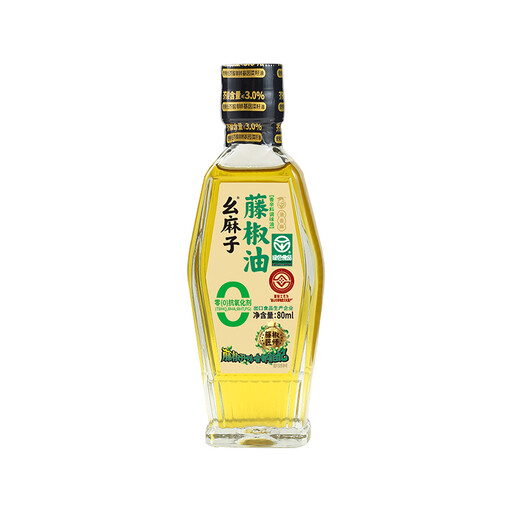
Yaomazi Pepper oil 80ML
Why this product fits the profile: The short ingredients list appeals to buyers who want a clearly defined Sichuan pepper aroma without any extra inclusions.
The product information lists only rapeseed oil and green Sichuan pepper, making the profile easier to assess than a sauce with many inclusions.
80 ml; according to the product description, free from TBHQ, BHA, BHT and PG antioxidants; stated to contain no allergens.
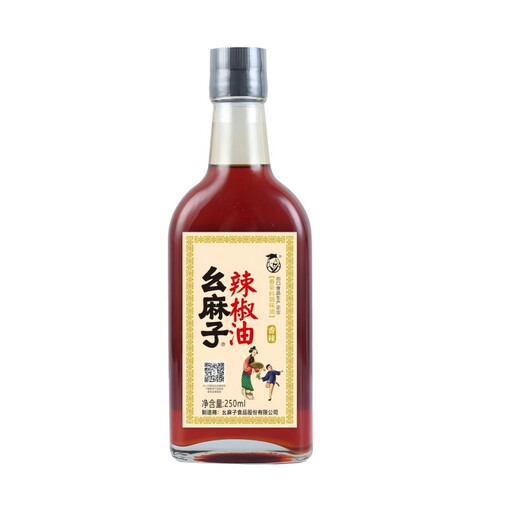
Yaomazi Chili Oil 250ml
Why this product fits the profile: The larger bottle is designed for regular use with noodles, cold dishes, hot pot and stir-fries.
The usage instructions distinguish between drizzling directly and adding at the end of cooking, allowing you to use the oil more precisely.
250 ml; according to the product description, contains 28 % chilli and is free from artificial colourings and synthetic preservatives.
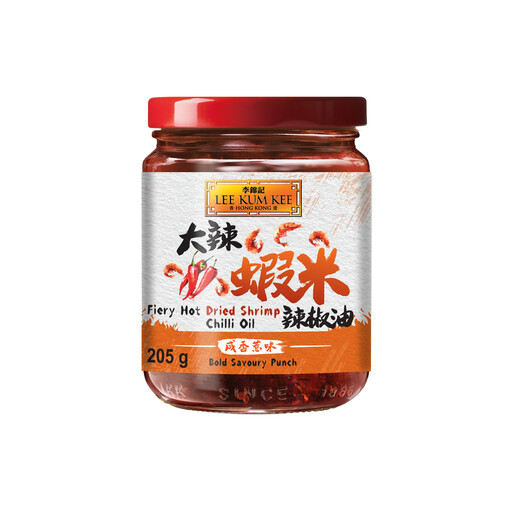
Fiery Dried Shrimp Chilli Oil 205g
Why this product fits the profile: Dried shrimp, shrimp paste and garlic make it a great option for robust dips, noodle soups and stir-fries.
The ingredients and allergen information make it clear that this product is not suitable for a shrimp-free or soya-free kitchen.
205 g; according to product information, no added MSG, preservatives or artificial colourings; described as extra hot.
Practical Uses in the Kitchen
- For chilli oil for noodles: Mix with soy sauce, rice vinegar and a little sugar. For more sensitive palates, start with teaspoon-sized amounts.
- For dumplings: Serve the oil with soy sauce, black vinegar and spring onions as a dipping sauce.
- For hot pot: A Sichuan pepper oil can be combined with garlic, sesame or soy sauce to create a personalised dipping base.
- For stir-fries: Add a pure seasoning oil at the end of cooking. Doubanjiang, on the other hand, should be fried in oil early on, according to the recipe.
- For salads and cold dishes: Drizzle the oil directly over cucumber, tofu or noodle salad, and stir well before use.
Frequently Asked Questions About Chilli Oil
How long does chilli oil last after opening?
This depends on the individual product. Always follow the instructions on the packaging. Cool, dry and dark storage is often recommended; some products require refrigeration after opening and consumption within a few days or weeks.
Which chilli oil is best for noodles?
Both liquid chilli oils and chilli crisp work well with noodles. An oil with garlic, sesame, spices or chilli pieces adds extra texture. For a Mala note, a product with Sichuan pepper is a suitable choice.
Is chilli oil very hot?
The level of heat varies considerably. The name alone is not enough to judge. Ingredients, chilli content, additional spices and the recommended dosage provide better clues. The safest approach is to start with a small amount and add more to taste.