
Buy chilli oil: How to find a spicy seasoning oil for noodles, rice and dumplings
Anyone looking to buy chilli oil will find a wide selection in stores: classic Chinese chilli oil, Sichuan chilli oil with a numbing peppery note, chilli crisp with crunchy pieces, or varieties with garlic, sesame, peanuts, meat and seafood. The differences are not limited to the heat level. Ingredients, allergens, consistency, pack size and storage all determine whether the seasoning oil is really suited to your everyday dishes.
Common pitfalls when buying chilli oil
1. Mistaking heat for flavour
A hot chilli oil is not automatically aromatic or versatile. Some products consist mainly of oil and chilli, while others also contain garlic, Sichuan pepper, fermented beans, nuts or sesame. For noodles or dumplings, an aromatic blend may be more useful than a very simple oil. If you are simply looking for heat for soups or stir-fries, you may prefer a straightforward seasoning base.
2. Crunchy ingredients require closer allergen checks
Chilli crisp and other thick varieties often contain peanuts, sesame, soya or wheat. Dried prawns, prawn paste and meat are also available. So always read the allergen information before buying chilli oil. The ingredients list should be checked in full, especially for products with visible solid pieces.
3. Incorrect storage can affect how it can be used
Chilli oil does not keep indefinitely once opened. Storage instructions vary from product to product. Some varieties should be stored in a cool, dry place and refrigerated after opening, while others should, according to the product information, be used immediately after opening. The label and best-before date are always the deciding factors. Using a clean spoon also helps prevent additional moisture or food residue from getting into the jar.
Parameters to check before buying
Ingredients and the consistency you want
First consider whether you are looking for a thin oil, an aromatic sauce or chilli crisp with solid pieces.
- Clear chilli oil: Suitable for drizzling over noodles, rice, salads or ready-made soups.
- Sichuan chilli oil: Often contains Sichuan pepper and, alongside the heat, offers a characteristically tingling, numbing note.
- Chilli crisp: Often contains chilli, garlic, onions, nuts or sesame, adding extra texture.
- Seasoning sauce with meat or seafood: May have a more intense flavour thanks to its umami notes, but is not suitable for vegetarian or allergen-free diets.
If you are specifically looking for chilli oil without artificial colourings, check the ingredients list and product description. For example, Yaomazi Chilli Oil is stated to contain no artificial colourings or synthetic preservatives. YiXian Sichuan Chilli Oil, on the other hand, lists the colouring E160c.
Heat, flavour and intended use
For chilli oil for noodles and chilli oil for dumplings, garlic, sesame, Sichuan pepper and fermented ingredients are typical additions. For rice dishes and stir-fries, a product with solid pieces can provide more bite. A neutral oil with chilli is better suited as a finishing oil when you want to preserve the flavour of the main dish.
Also pay attention to the recommended use. Some products should be added at the end of cooking to preserve their flavour. Others can be used directly as a dip, marinade or cooking ingredient.
Nutritional values, quantity and allergens
Chilli oil naturally consists largely of fat. Many products contain around 640 to 880 kcal per 100 g or 100 ml. The amount you use is therefore important. A few drops or a small teaspoon is usually enough to begin with.
Depending on the recipe, possible allergens include:
- Soya beans and wheat
- Peanuts and sesame
- Crustaceans such as prawns
- Mustard or sulphites
- Meat ingredients such as beef, pork or chicken
The selection below categorises different varieties according to specific usage scenarios.
Our selection by user profile
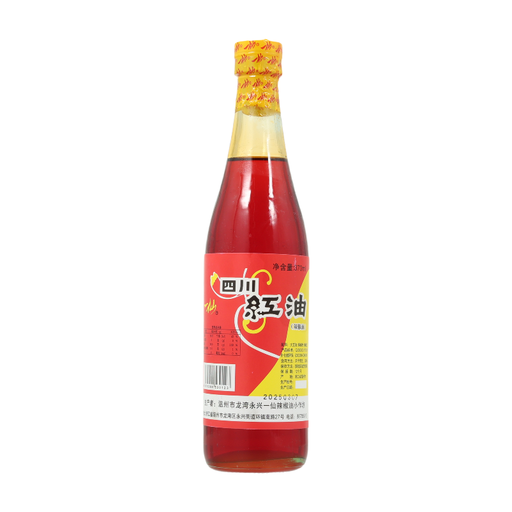
YiXian Sichuan Chilli Oil 370ml
Why this product suits this profile: The 370 ml pack provides a classic base for cold dishes, dips, noodles and cooking. According to the product information, the recipe consists of soya bean oil, chilli powder and spices.
The clearly listed ingredients make it easier to assess. Please note: soya is listed as an allergen and E160c is included in the recipe as a colouring.
370 ml contents; ready-to-use Sichuan chilli oil for dressings, dips and noodles.
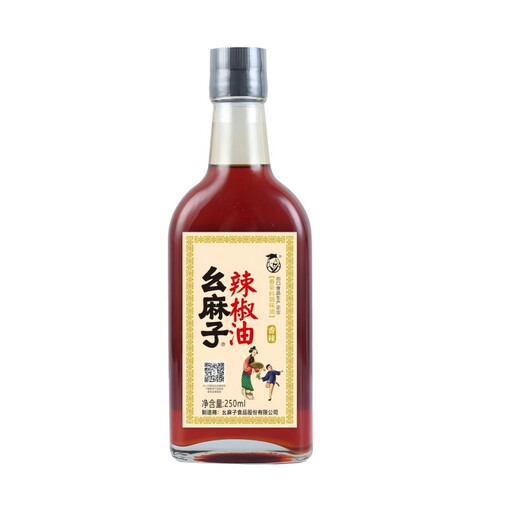
Yaomazi Chilli Oil 250ml
Why this product suits this profile: According to the product information, this Sichuan chilli oil is made with sun-dried Sichuan chillies and heated slowly. It is intended for cold dishes, noodles, hot pot and stir-fries.
The product description specifies the recipe, the chilli content of 28 per cent, and the absence of artificial colourings and synthetic preservatives.
No allergens according to the product information; 250 ml contents; versatile as a finishing oil or cooking ingredient.
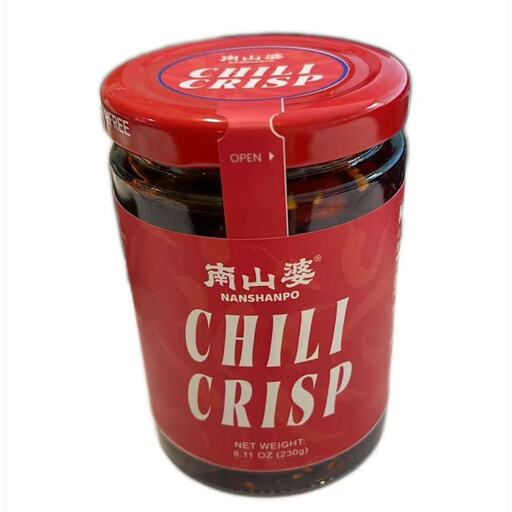
Nanshanpo Spicy Chilli Oil 230g
Why this product suits this profile: This variety combines Guizhou chilli with peanuts and sesame. According to the product information, the solid content is at least 50 per cent, making it a good match for noodles, dumplings and rice.
The solid ingredients are clearly described. At the same time, peanuts, soya, wheat and sesame must be taken into account as allergens.
Crunchy consistency; 230 g contents; suitable for rice, noodles, dumplings and as a dip.
Looking for more options?
We have put together a complete, regularly updated list of products that fully meet these strict selection criteria and the safety regulations applicable in the EU.
How to use and store chilli oil correctly
For even distribution, gently stir the jar before use. With chilli crisp, solid ingredients often settle at the bottom. For noodles, you can mix the oil with a little soya sauce, black vinegar or noodle water. With dumplings, it works well as a dip with rice vinegar and spring onions. For rice, hot pot and salads, a small amount is usually enough as a topping.
Store unopened products in a cool, dry place away from direct sunlight, as stated on the packaging. Once opened, follow the individual manufacturer's instructions. Products containing prawns, meat or moist ingredients should be handled with particular care and refrigerated after opening if necessary.
Frequently asked questions about buying chilli oil
Which chilli oil is suitable for noodles?
Both clear Sichuan chilli oil and chilli crisp work well with noodles. Clear oil distributes heat and flavour evenly. Chilli crisp adds garlic, nuts, sesame and other solid ingredients to the dish. The key considerations are the consistency and heat you prefer, as well as the allergen list.
How long does chilli oil keep after opening?
This depends on the recipe and the manufacturer's instructions. Some products should be refrigerated after opening and used within a short period. Others should be kept sealed in a cool, dry place. Always check the label and use clean kitchen utensils.
Is chilli oil suitable for dumplings and rice?
Yes, many Asian seasoning oils are specifically intended for dumplings, rice, noodles, salads and stir-fries. Varieties with peanuts, sesame or garlic provide extra texture. If you have allergies or follow a particular diet, carefully compare the ingredients and product information before buying.