
Canned Vegetables 2026: A Buying Guide to Shelf-Stable Sides and Quick Meals
Canned vegetables are a staple in many German kitchens: they require little preparation, can be stored for long periods while unopened, and work well in side dishes, salads, soups, and stews. If you want to buy canned vegetables online, however, you should look beyond the brand name, packaging design, or lowest unit price. The key factors are drained weight, the ingredients list, salt content, packaging format, and intended use.
Common Buying Mistakes with Canned Vegetables
1. Confusing the pack weight with the drained weight
An 800 g can does not automatically contain 800 g of vegetables. Part of the contents consists of water or brine. That is why drained weight is more useful than the stated net quantity when comparing prices. For larger households, an 800 g can can still be a sensible choice, as it provides several servings for salads, bakes, or side dishes.
2. Assuming “light brine” automatically means low in sugar or salt
Canned vegetables are often preserved with water, salt, acidity regulators, or sugar. The precise composition is listed in the ingredients. Peas with carrots, for example, may contain water, sugar, and salt, while green beans are often preserved simply with water, salt, and citric acid. If you want to reduce your sugar or salt intake, check the nutritional information per 100 g rather than relying solely on the front of the packaging.
3. Treating cans, jars, and pouches in the same way
The packaging format affects storage, handling, and how leftovers can be used. Cans are stackable and protect the contents from light. Glass jars let you see the contents, but they are heavier and more susceptible to breakage. Vacuum pouches containing precooked products can be convenient for individual meals. Once opened, the contents should generally be transferred to a suitable non-metallic container and refrigerated, provided this is specified by the manufacturer.
Parameters to Check Before Buying
Ingredients and allergens
Whether you are buying canned vegetables or pickled produce, it is worth checking the complete ingredients list. Products with fewer ingredients are not automatically of higher quality, but they are easier to assess. Bamboo shoots, for instance, may contain water, salt, and citric acid, while other varieties list additional acidity regulators, preservatives, or sulphites. Allergens must be taken into account, particularly when choosing products from international ranges.
Nutritional values per 100 g and drained weight
Always compare energy, sugar, salt, fibre, and protein using the same reference quantity. The figures may refer to the drained product or to the contents of the can as a whole. Canned chickpeas and canned kidney beans typically provide more protein and fibre than vegetable side dishes alone. This makes them appealing for stews, bowls, and vegetarian meals, although they do not replace personalised nutritional advice.
Intended use and serving size
For a single meal, small cans of sweetcorn or peas are often sufficient. Families and people who regularly batch-cook are generally better served by 720–800 g packs. Canned peas, canned green beans, and mushrooms in jars are well suited to classic side dishes. Bamboo shoots, water chestnuts, and pickled varieties, by contrast, are particularly useful in Asian stir-fries, soups, and salads.
Our Selection for Different Households
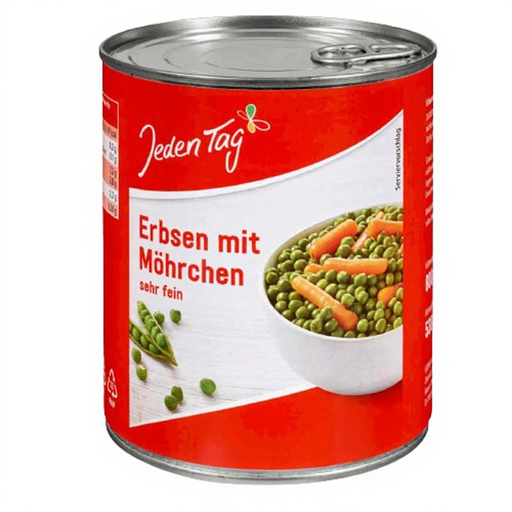
Jeden Tag Peas with Carrots 400g
Why This Fits Their Persona: This 400 g can combines very fine peas and carrots, making it ideal for an effortless warm side dish or a cold salad.
The ingredients list clearly identifies vegetables, water, sugar, and salt, making it easy to drain the brine before use.
400 g net weight, vegetarian, and listed at 49 kcal with 4.1 g of fibre per 100 g.
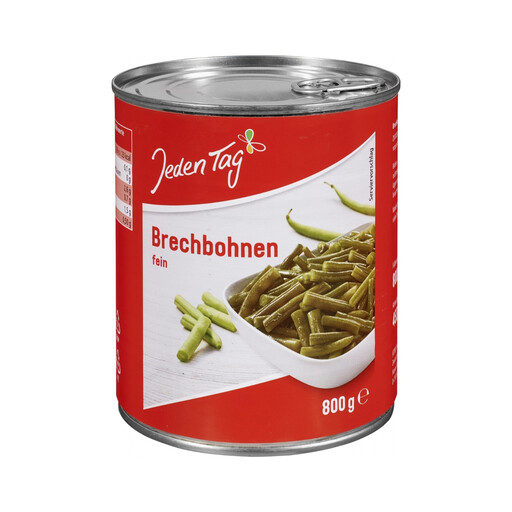
Jeden Tag Cut Green Beans 800g
Why This Fits Their Persona: The larger can provides several servings and works well in bakes, salads, or as a vegetarian side dish.
The ingredients list is limited to young green beans, water, salt, and citric acid.
800 g net weight, vegetarian, and listed at 23 kcal per 100 g.
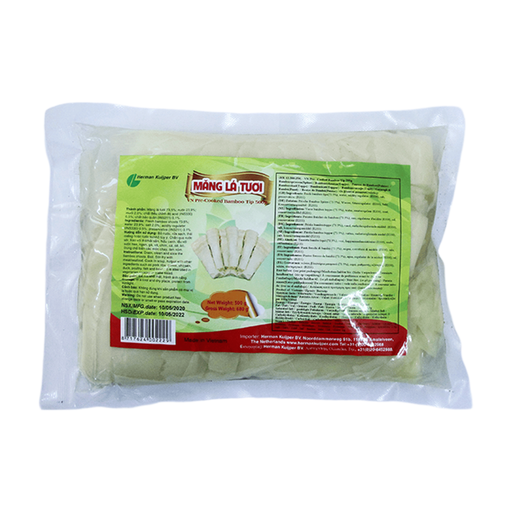
Nature's Best Harvest Pre-Cooked Bamboo Tip 500g
Why This Fits Their Persona: Precooked bamboo shoots are ideal for stir-fries, soups, and cold salads, helping to streamline preparation.
The product is described as precooked and ready to use, while the ingredients list remains concise.
500 g pack size, precooked, and listed at 27 kcal per 100 g.
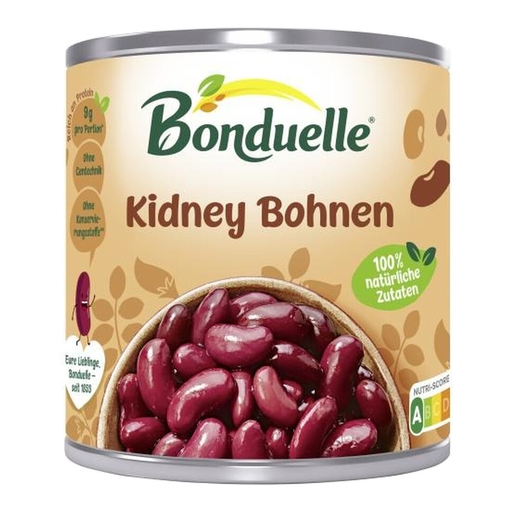
Bonduelle Red Kidney Beans 425ml
Why This Fits Their Persona: Canned kidney beans are easy to portion for chilli, rice dishes, wraps, salads, and hearty stews.
The nutritional values refer to the drained product and transparently state salt, protein, and fibre content.
Listed at 7.2 g of protein and 6.0 g of fibre per 100 g; identified as vegetarian and vegan.
Storage and Use After Opening
Store unopened canned goods in a dry, cool place protected from direct sunlight. The best-before date applies to the unopened packaging when stored correctly. Do not use cans that are damaged, swollen, or leaking.
Once opened, follow the instructions on the individual package. It is often recommended to transfer the contents to a non-metallic container, refrigerate, and consume within two to three days. Some products, including certain bean or sweetcorn portions, may specify a shorter period. Draining and rinsing can alter the flavour and texture and remove some of the brine, but it is not necessary for every recipe.
Canned Vegetable FAQ
Are canned vegetables ready to eat straight away?
Many products are already cooked and can be eaten cold after draining or added directly to salads. For hot dishes, reheating them in a saucepan, frying pan, or microwave is usually sufficient. Follow the specific usage instructions, particularly for vacuum-packed sweetcorn or precooked specialities.
What makes sense for a small household?
Small cans of sweetcorn, peas, or mushrooms in jars help reduce the amount left over after opening. For regular meals, 400–425 g packs can be a practical choice. Larger packs are worthwhile when the vegetables will be used in several dishes on the same day or the following day.
Are canned vegetables cheaper than fresh vegetables?
That depends on the variety, season, pack size, and drained weight. When comparing prices, consider the cost per 100 g of drained vegetables, preparation time, and any potential leftovers. Ready-to-eat vegetables can be particularly convenient for professionals and families thanks to their long shelf life and minimal preparation time.