
Canned Bean Buyer's Guide: Avoiding Mushy Textures
Canned beans are a staple in any well-stocked pantry. They're convenient, have a long shelf life, and are an excellent source of plant-based protein. But not every can delivers on its promise. If you've ever tried to make a bean salad only to end up with an unappetizing mush, or puzzled over a confusing ingredients list, you know the common pitfalls.
As your Joybuy Product Recommendation Officer, I'm here to help you navigate the options. In this guide, I'll show you how to avoid the most common buying mistakes and choose products that meet your standards for quality and flavor.
The 3 Most Common Pitfalls When Buying Canned Beans
Before we dive into the selection criteria, let's look at the problems that often only become apparent after you open the can.
- Unnecessary Additives and High Sodium Content: Many canned beans contain more than just beans, water, and salt. While firming agents like calcium chloride or antioxidants are meant to preserve quality, they aren't always necessary. An excessively high salt content can also mask the beans' natural flavor and isn't ideal for a health-conscious diet.
- Disappointing Texture: Nothing is more frustrating than mushy beans when you want to make a crisp salad. The quality of the raw ingredients and the manufacturing process determine whether the beans will retain their bite or fall apart after cooking.
- Misleading Fill Weight: A large can on the shelf often suggests more content than you actually get. What matters isn't the total fill volume, but the drained weight. This figure indicates how many beans are left after pouring off the liquid and is the only reliable metric for a true price comparison.
What to Look for When Buying Canned Beans
A quick look at the label is all it takes to avoid these pitfalls. The following parameters will help you make an informed decision.
1. The Ingredients List: Less Is More
A short, simple ingredients list is usually a good sign. Ideally, the contents should consist of just three components: the specific bean variety, water, and salt. Products with no added salt offer more flexibility for seasoning. Additives aren't inherently bad, but it's worth knowing what they do:
- Firming Agents (e.g., Calcium Chloride): Used to make the beans firmer. This is often unnecessary with high-quality beans.
- Antioxidants (e.g., Ascorbic Acid): Prevents discoloration, which is particularly relevant for light-colored beans.
- Acidity Regulators (e.g., Citric Acid): Used to round out the flavor and aid in preservation.
2. The Right Bean Variety for the Job
Not every bean is suitable for every dish. Choosing the right variety is crucial for the success of your recipes.
- White Beans (Cannellini): With their creamy texture and mild flavor, they are incredibly versatile, perfect for stews, purées, or classic bean salads. When you buy white beans, look for a firm texture suitable for salads.
- Kidney Beans: A can of kidney beans is a must-have for chili con (or sin) carne and Tex-Mex cuisine. They hold their shape well even after long cooking times and have a slightly mealy, sweetish taste.
- Chickpeas:Canned chickpeas are the foundation for hummus, falafel, and a protein-rich addition to curries and salads. Their nutty flavor and firm texture make them extremely popular.
- Broad Beans (Fava Beans): Known from Mediterranean and Middle Eastern cuisine, they are the main ingredient for dishes like Foul Medammes. They have a robust, slightly earthy flavor.
For a wider selection, you can also specifically buy legumes online to compare different varieties from various suppliers.
Our Recommended Products for You
To make your choice easier, we've matched some products from our range to different user profiles.
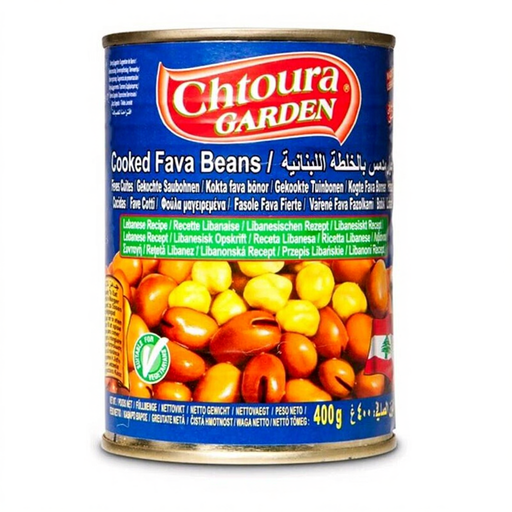
Chtoura Fava Foul Libanes 400g Turkish
Why This Fits Their Persona: Ideal for anyone who wants to prepare authentic Foul Medammes. These fava beans are pre-cooked according to a traditional Lebanese recipe, forming the perfect base for the classic Middle Eastern breakfast dish.
The texture is specifically designed for preparing purées or stews, so it won't become unexpectedly mushy. The ingredients list is stripped down to the essentials for an authentic dish.
Ready to use for a quick, traditional meal. High in protein with 7.5 g per 100 g.
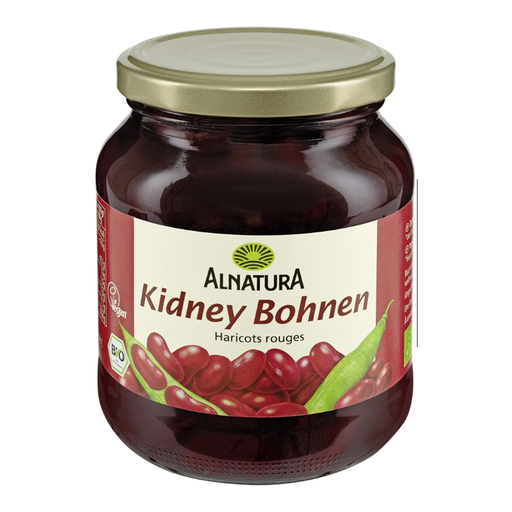
Alnatura Bio Kidney Beans 360 g
Why This Fits Their Persona: Perfect for those who value organic farming and a "clean" ingredients list. These kidney beans provide a nutritious base for quick, healthy meals and fit a vegan lifestyle.
The ingredients list is minimalist, containing only kidney beans, water, and sea salt. No additives are used. The organic certification (NL-BIO-01) ensures they are non-GMO.
Organic quality with a creamy, soft texture. Highly nutritious, with 8.2 g of protein and 8.5 g of fiber per 100 g.
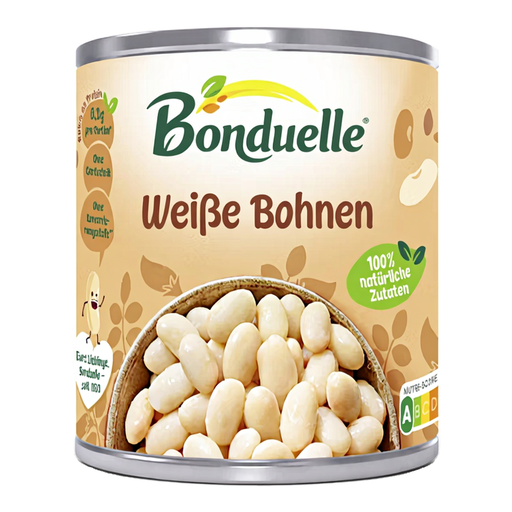
Bonduelle White Beans 425ml
Why This Fits Their Persona: A true all-rounder for the pantry. These white beans are the ideal base for a wide range of dishes, from classic German stews with sauerkraut to Mediterranean salads and casseroles.
Bonduelle is known for consistent quality, ensuring a firm yet tender texture that avoids the "mush factor." The ingredients list is limited to the essentials.
Achieves a Nutri-Score A, according to the manufacturer. Free from preservatives and versatile enough for both German and international cuisine.
Looking for More Options?
We've compiled a complete, up-to-date list of products that fully meet these strict selection criteria and comply with German regulations.
Frequently Asked Questions About Canned Beans
Should you rinse canned beans before eating them?
It is generally recommended to rinse canned beans in a colander under cool, running water. This removes excess salt and the starchy liquid (aquafaba), which can cause bloating in some people. Rinsing also improves the pure flavor of the beans. An exception is the liquid in cans for Foul Medammes, which is often part of the recipe.
How should I store opened canned beans?
After opening, leftovers should not be stored in the metal can, as the metal can react with the contents and impart a metallic taste. Transfer the beans to a sealed glass or plastic container and store them in the refrigerator. They will stay fresh for about 2 to 3 days.
Do canned beans have fewer nutrients than dried beans?
The nutritional value of canned beans is largely comparable to that of home-cooked dried beans. The industrial cooking process makes nutrients like plant-based proteins and fiber readily available. While some water-soluble vitamins may leach into the canning liquid, the overall content of macronutrients and minerals remains high. Therefore, canned beans are a wholesome and time-saving alternative.