
Canned Vegetables Buyer’s Guide: How to Avoid Bad Buys
Canned vegetables are a practical solution for modern pantry stocking. They allow for quick meal preparation and ensure a nutritious component is always on hand. However, when buying shelf-stable vegetables, there are several pitfalls that can lead to disappointment—from a mushy consistency to hidden additives. As your Joybuy Product Recommendation Officer, I'll help you separate the wheat from the chaff and find products that meet your standards for quality and taste.
The Most Common Pitfalls When Buying Canned Vegetables
Before you stock your pantry, you should be aware of three common problems that often lead to a bad buy:
- Hidden sugars and unnecessary additives: Many products contain added sugar, flavour enhancers, or artificial flavourings to mask a lack of quality. A long ingredient list is often a warning sign.
- Misleading quantity information: The net volume in millilitres or grams stated on the front refers to the entire contents, including the liquid. However, the crucial factor for the actual vegetable content is the drained weight, which is often found only in the fine print.
- Inferior quality due to over-processing: When vegetables are heated for too long or at temperatures that are too high, they lose their firm structure and become soft or mushy. The result is a disappointing texture and lower nutritional value.
What to Look For Before You Buy: The Decisive Parameters
To ensure you're getting a high-quality product, you should check two to three key aspects. These will help you make informed decisions and objectively assess the quality.
1. The Ingredient List: Less is Often More
A good canned vegetable doesn't need much. The ideal ingredient list is short and easy to understand: vegetables, water, and salt. Sometimes, citric acid (E330) is added as an acidifier, which is a harmless additive for stabilising colour and freshness. However, be wary of products with sugar, glucose-fructose syrup, yeast extract, or undefined "flavourings." To play it safe, you'll often find the purest formulas in organic vegetables in jars, which are subject to strict guidelines.
2. The Drained Weight: The True Value in the Jar or Can
Don't compare products based on the total net volume, but always on the drained weight. This value indicates how many grams of the actual vegetable remain after draining the liquid. A product with a higher drained weight generally offers better value for money. This is a crucial factor when you're stocking up on vegetables and want to calculate the actual product value.
3. Packaging and Variety: Suited for Your Purpose
Whether you choose canned green beans or jarred red cabbage depends on your preferences. Glass jars have the advantage that you can visually inspect the quality of the contents—colour, size, and condition of the vegetables—before buying. Cans are lighter, shatterproof, and opaque, which can protect the vitamin content. With cans, make sure they have no dents or bulges, as this could indicate potential damage and contamination.
Recommended Products for Every Need
Here are some recommendations from our range, tailored to different needs and use cases.
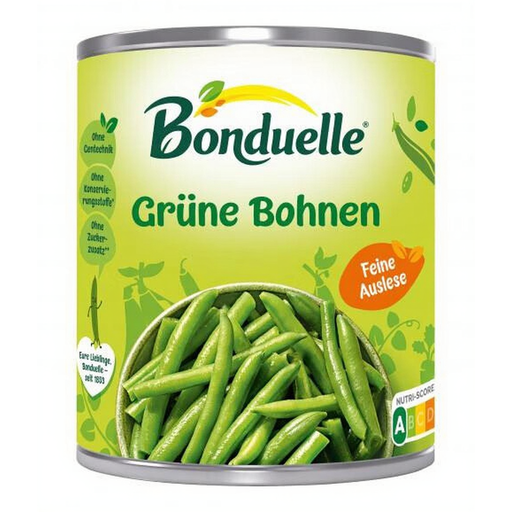
Bonduelle Extra Fine Green Beans 850ml
Why This Fits Their Persona: Ideal for professionals and families who need a reliable and quick vegetable side dish. These extra-fine beans are ready to use and complement a wide variety of dishes.
The ingredient list is minimalist with "Green beans (very fine), water, salt" and is free from hidden sugars or additives. The quality is consistently high, which prevents a mushy texture.
No preservatives and grown without glyphosate. The Nutri-Score A confirms its balanced nutritional composition.
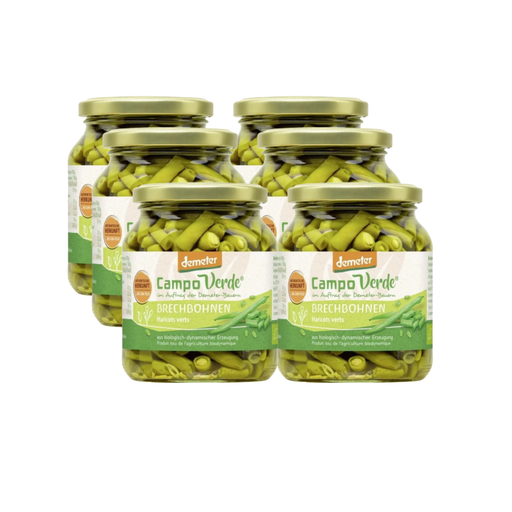
Campo Verde Demeter Organic Cut Green Beans 6x340g
Why This Fits Their Persona: Perfect for health-conscious consumers and families who place the highest value on organic quality. The Demeter seal stands for biodynamic agriculture.
The strict Demeter guidelines prohibit unnecessary additives. The ingredient list (cut green beans, water, sea salt) is proof of absolute purity. Gentle processing preserves the texture.
Grown according to the highest biodynamic standards. The glass packaging allows for a visual quality check and is reusable.
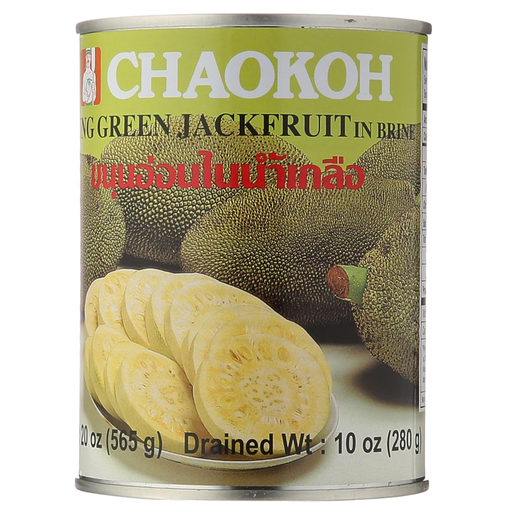
Chaokoh Green jackfruit 560g
Why This Fits Their Persona: Young, green jackfruit is the ideal base for creative vegan and vegetarian dishes. Its fibrous, meat-like texture makes it an excellent jackfruit as a meat substitute.
This product is clearly positioned as an ingredient, not a ready-to-eat meal. The ingredient list is transparent and functional for further processing, containing jackfruit, water, salt, and citric acid.
Naturally allergen-free, vegan, and Halal-certified. The meat-like texture is ideal for curries, stews, or vegan "pulled pork."
Looking for More Options?
We've compiled a complete, up-to-date list of products that fully meet these strict selection criteria and UK regulations.
Frequently Asked Questions (FAQ)
1. How long do canned vegetables last after opening?
After opening, leftovers from a metal can should be transferred to a non-metallic container (e.g., glass or plastic). Stored in the refrigerator, most vegetables will then last for about 2 to 4 days. Products in an acidic brine, like red cabbage, may last a bit longer. Always follow the manufacturer's instructions on the packaging.
2. Are canned vegetables as nutritious as fresh vegetables?
The preservation process through heating can slightly reduce the content of heat-sensitive vitamins like Vitamin C. However, minerals, fibre, and heat-stable vitamins are largely retained. Since the vegetables are processed immediately after harvesting, the nutritional value of a canned product can be higher than that of fresh vegetables that have already undergone long storage and transport.
3. How can I spot a good canned vegetable on the supermarket shelf?
Check three things: 1. The ingredient list should be short and free of sugar or artificial additives. 2. Compare the drained weight to assess the true content. 3. With jars, you can visually check the colour and firmness of the vegetables; with cans, ensure the packaging is undamaged.