
Canned Legumes Buyer’s Guide: What to Look for When Buying
By Joybuy Product Recommendation Officer, August 28, 2026
Canned legumes are a cornerstone of any well-stocked pantry. They are nutritious, versatile, and an excellent foundation for quick, healthy meals. However, not all canned goods are created equal. When shopping, it's easy to fall into common traps that can diminish their nutritional value or spoil your cooking experience. This guide will help you separate the good from the bad and find the right products for your kitchen.
The 3 Most Common Pitfalls When Buying Canned Legumes
Before you fill your shopping cart, you should be aware of three common issues that often only become apparent once you're home.
- The Sugar and Salt Trap: Many ready-made products, and even some simple canned beans, contain surprisingly high amounts of added sugar and salt. These act as flavour enhancers or preservatives but can negate the health benefits of the legumes. It's essential to check the nutrition label, especially for seasoned beans or ready-to-eat stews.
- The Consistency Disappointment: Nothing is more unsatisfying than chickpeas that turn into a watery paste when making hummus, or kidney beans that fall apart in a chili con carne. Poor processing often leads to a soft, mushy texture. The legumes lose their bite and make the dish look unappealing.
- Unnecessary Additives: Firming agents like calcium chloride, modified starch, or various flavour enhancers are often found on the ingredients list. While some are harmless, many consumers prefer products with a "clean" composition, especially when stocking up on vegan pantry staples or following a natural diet.
Core Selection Criteria: What Really Matters
To avoid the pitfalls mentioned above, focus on three objective criteria. These will help you quickly and reliably assess the quality of a canned product.
1. The Ingredients List: Less Is More
The most telling information on any package is the ingredients list. For high-quality canned legumes, it should be very short.
- Basic Ingredients: Ideally, the contents should only consist of the legume (e.g., chickpeas, kidney beans), water, and salt.
- Check for Additives: Look out for terms like "sugar," "modified starch," or a long list of flavourings. These aren't inherently bad, but they indicate a more heavily processed product.
- Organic Quality: If you value organic farming, organic legumes are an excellent choice. They are grown without synthetic pesticides and are often processed more gently.
2. The Drained Weight: The True Content
The net weight on the front of the can or jar indicates the total weight, including the liquid. However, the drained weight is what determines the value for money. This figure, often declared in small print on the back, tells you how many beans, lentils, or chickpeas you are actually getting. Compare this value to ensure you're not mostly paying for water.
3. Packaging and Variety: The Right Fit for Your Dish
Choosing the right variety is crucial for the success of your recipe.
- Beans for Chili con Carne: Firm kidney beans that hold their shape even after prolonged cooking are best for this.
- Canned Chickpeas: Firm chickpeas are ideal for salads, while softer varieties are also suitable for hummus.
- Canned White Beans: Cannellini beans are creamy and pair well with Mediterranean dishes, while larger white beans are great for stews.
- Specialities: Products like Foul Medammes (fava beans) are the authentic base for Middle Eastern dishes and are difficult to substitute with other types of beans.
Top Picks for Different Needs
Here are a few recommendations tailored to different needs and cooking habits.
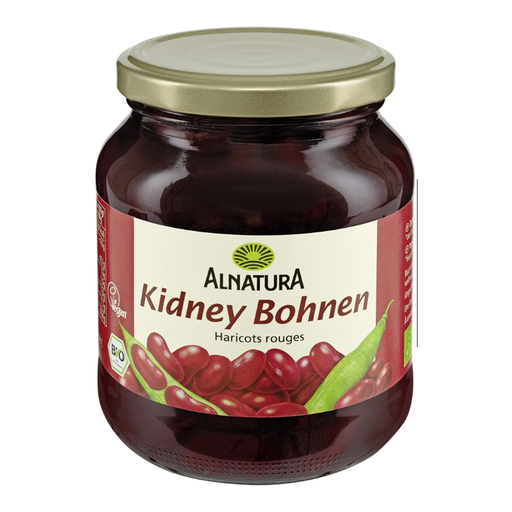
Alnatura Organic Red Kidney Beans 360g
Why This Fits Their Persona: Ideal for anyone looking to build a clean, versatile, and organic pantry. The beans are a perfect base for salads, bowls, or a homemade chili con carne.
The ingredients list is minimal: kidney beans, water, sea salt. This product completely avoids the trap of hidden sugars and unnecessary additives. The organic certification provides extra peace of mind.
Organic quality and a creamy yet firm texture. The glass jar packaging allows for a visual quality check before purchase and is reusable.
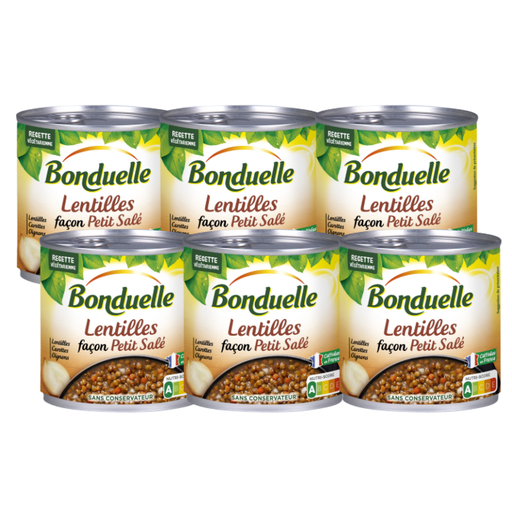
Bonduelle Hearty Lentil Stew 6x400g
Why This Fits Their Persona: Perfect for busy professionals or families who need a quick, yet nutritious and warming meal. This ready-made lentil stew only needs to be heated up.
As a ready-made meal, it is seasoned, but according to the manufacturer, it contains no added flavourings. The consistency is ideal for a stew, as the lentils are cooked soft but not mushy.
Maximum time savings, as it's a complete meal. The flavour is well-balanced, and the base of lentils, carrots, and onions provides fibre and plant-based protein.
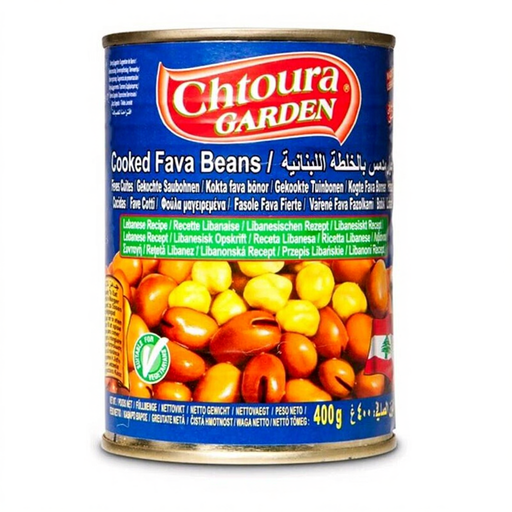
Chtoura Lebanese Fava Beans (Foul) 400g
Why This Fits Their Persona: For home cooks who want to prepare authentic dishes from the Middle East. This product is the foundation for the traditional breakfast dish Foul Medammes.
This product is designed for authenticity, not the Western mass market. The ingredients list is short and functional, without unnecessary flavour enhancers or sugar.
The fava beans have the perfect creamy texture required for Foul Medammes. It's an authentic ingredient that makes the difference between a good dish and a great one.
Looking for More Options?
We've compiled a complete, up-to-date list of products that fully meet these strict selection criteria and UK regulations.
Frequently Asked Questions (FAQ)
Should you rinse canned legumes?
It is generally recommended to rinse legumes from a can or jar in a sieve under clean water before use. This removes excess salt and the starchy liquid (aquafaba). Doing so can improve the flavour of the dish and increase digestibility. However, in stews or chilis, the liquid can also serve as a thickener and add extra flavour.
How long do opened canned legumes last?
After opening, legumes should be transferred from the metal can to a non-metallic container (e.g., glass or plastic). Stored in the refrigerator, they will typically last for 2 to 3 days. Always follow the specific instructions from the manufacturer on the packaging.
Are canned legumes as nutritious as dried ones?
Yes, canned legumes are a very nutritious option. They retain most of their important nutrients, such as plant-based protein and fibre. The main difference is often the salt content, which can be reduced by rinsing. The biggest advantage of canned goods is the enormous time savings, as it eliminates the hours of soaking and cooking required for dried legumes.