
Camping Gas Stove Selection Guide for Buyers
A reliable camping gas stove is the heart of any outdoor kitchen. Whether on a multi-day hike, at a festival, or on a relaxing fishing trip, a warm meal or a hot coffee makes all the difference. But the market is flooded with models whose marketing promises often suggest more than the technology can deliver. Before you make a decision, it's important to know the typical pitfalls that lead to frustration and unnecessary expenses.
This guide, written by the Joybuy Product Recommendation Officer, will help you separate the wheat from the chaff. We focus on the objective criteria that truly matter and show you how to find a suitable and durable outdoor stove for your needs.
The 3 Most Common Traps When Buying a Gas Stove
Many buyers focus on superficial features and overlook crucial design flaws. Pay special attention to these three points to avoid a bad buy:
- Unstable Designs: A common problem with particularly lightweight or budget-friendly models is a high center of gravity. A small stove screwed directly onto the gas canister can easily tip over with a full pot, especially on uneven forest ground. This is not only annoying but also poses a significant safety hazard.
- Inefficient Burner Heads: A high power rating in kilowatts (kW) is no guarantee of fast cooking. If the burner head doesn't concentrate the flame or offer wind protection, a large portion of the energy is lost. The result: longer cooking times and higher gas consumption, which is especially problematic on longer tours.
- Misleading Weight Specifications: Manufacturers often advertise an extremely low weight. However, this figure frequently refers only to the burner itself, without a potentially necessary stand, windscreen, or the heavy gas canister. For a hiker who counts every gram, this incomplete information can seriously disrupt trip planning.
What Really Matters: The Decisive Parameters
To find a suitable camping stove for on the go, you should focus on verifiable technical specifications. These three factors are crucial for the performance and safety of your stove.
Power (kW) and Efficiency
The power of a gas stove is specified in kilowatts (kW) and describes the maximum heat output. For most applications, such as cooking for one to two people, a small gas stove with a power output between 1 and 2 kW is perfectly adequate. However, more important than the raw kW number is the burner's efficiency. A well-designed burner with an integrated windscreen can bring water to a boil faster with lower power than an open system with high power. Look for a precise, continuously adjustable flame to optimize gas consumption.
Stability and Sure-footedness
Stability is a critical safety feature. A hiking stove should have a wide and low base to minimize the risk of tipping. There are two basic designs:
- Screw-on Stoves: The burner is screwed directly onto the canister. These are very compact but have a higher center of gravity. Models with fold-out support legs for the canister offer more safety here.
- Stoves with a Hose Line: The burner stands on its own feet and is connected to the separate canister via a hose. This design offers the lowest center of gravity and the highest stability but is slightly heavier and bulkier.
Fuel and Canister System
Most portable gas stoves use propane-butane mixtures. The canister's connection system is crucial. The most common type for a modern gas canister stove is the screw-on canister with a standardized EN-417 thread. It can be easily attached and detached, even if it's not yet empty. Puncture-style canisters are cheaper but cannot be removed from the device after being pierced until they are completely empty, making them less practical for mobile use.
Find Your Perfect Choice
Instead of making a one-size-fits-all recommendation, we have selected products that meet specific requirements and purposefully avoid the pitfalls mentioned earlier.
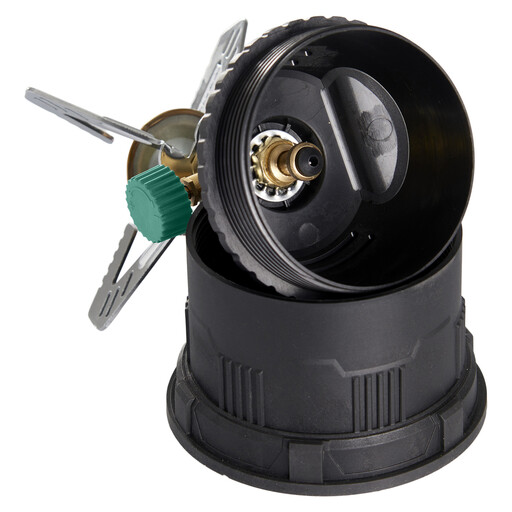
Compact Portable Gas Stove for Hiking, Camping and Picnics
Why This Fits Their Persona: With a net weight of just 495g and compact dimensions, this stove is ideal for trips where every gram counts. The 1.22 kW output is optimally balanced for one person or a couple to heat water or prepare simple meals without consuming unnecessary fuel.
Its wider base provides significantly better stability than simple screw-on stoves and minimizes the risk of tipping. The precise flame control allows for efficient gas consumption, sidestepping the trap of inefficient burners.
Long burn time of up to 4 hours with one canister. Infinitely variable power adjustment for different dishes.
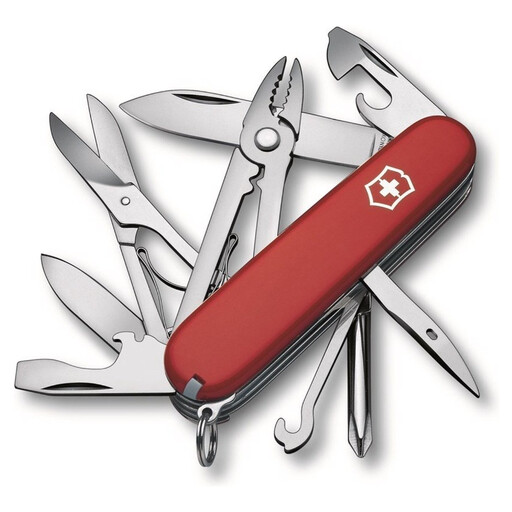
Victorinox Swiss Army Tinker de Luxe Multitool
Why This Fits Their Persona: An adventurer knows that good preparation is essential. This multitool is the perfect companion for any outdoor cooking setup. The pliers are ideal for gripping hot pots or for small repairs on the stove, while the can opener and blades are versatile helpers.
It prevents unforeseen problems that can ruin a meal. A loose screw on the stove stand or a stuck lid won't become an unsolvable issue with this tool. It ensures the functionality of the entire equipment setup.
16 integrated, high-quality stainless steel tools. Compact and lightweight design that fits in any pocket.
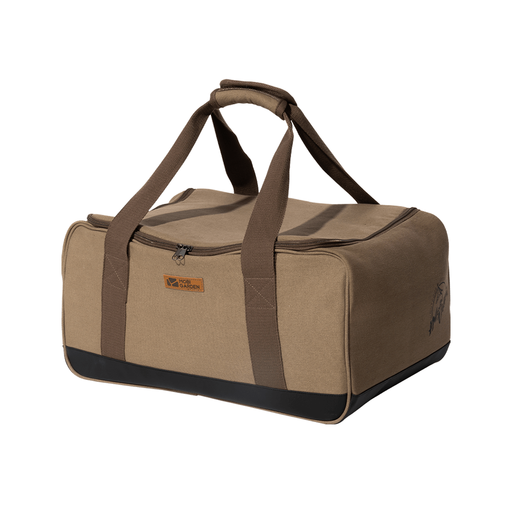
Mobi Garden Outdoor Gear Storage Bag
Why This Fits Their Persona: For campers who value organization and protecting their gear, this bag is ideal. It allows for the safe transport of a portable gas stove, gas canisters, and cookware. Everything has its place and is protected from impacts and dirt.
It prevents transport damage to the stove that could lead to leaks or malfunctions—an often-overlooked flaw. The waterproof bottom also reliably protects the equipment from ground moisture in a tent or outdoors.
Padded inner walls and removable dividers for flexible and secure transport. Durable, waterproof base material.
Looking for more options?
We have compiled a complete, up-to-date list of products that fully meet these strict selection criteria and German safety regulations.
1. How much power (kW) does a camping gas stove need? For preparing meals for one to two people, models with a power output of 1 to 2 kW are generally completely sufficient. For larger groups or when water needs to boil particularly quickly, stoves with 2 to 3 kW can be useful. However, note that an efficient burner with good wind protection is often more important than the raw kilowatt number.
2. Can you use a gas stove inside a tent? No, absolutely not. Using a gas stove in enclosed spaces like tents, awnings, or vehicles is extremely dangerous. There is an acute risk of fire and carbon monoxide poisoning. Always operate your stove only outdoors in a well-ventilated area.
3. Which gas canister is right for my stove? This depends on your stove's connection. Most modern hiking and camping stoves are designed for screw-on canisters with a standardized EN-417 thread. These are the safest and most flexible to handle. Always check the manufacturer's specifications for your gas canister stove to ensure compatibility.