
Essential Camping Stove Buyer's Guide
Choosing the right camping stove can be the difference between a hot meal under the stars and a frustrating outdoor experience. However, the market is flooded with models whose marketing promises often suggest more than the technology can deliver. Before you make a decision, it's crucial to understand the common pitfalls that can lead to an unsuitable purchase.
This guide will help you identify the critical features and make a choice tailored to your actual needs.
The 3 Most Common Mistakes When Buying a Camping Stove
Many buyers focus on superficial features, overlooking critical design flaws. Pay attention to these three points to avoid a bad investment:
- Unstable Construction: A common issue with budget models is poor stability. A portable stove that wobbles on uneven forest ground or a meadow poses a significant safety hazard. A tipping pot of hot water can not only ruin dinner but also cause injuries.
- Inefficient Burner Performance in Wind: High wattage alone doesn't guarantee a fast boil. Many stoves lose efficiency drastically in light wind, driving up gas consumption and extending cooking times. A good outdoor stove needs effective wind protection or optimised burner technology.
- Incompatible or Rare Fuel Connectors: Nothing is more frustrating than having a stove and being unable to find compatible gas canisters on the road. Some manufacturers use proprietary systems. For trips in the UK and Europe, stoves with the standardised EN-417 screw thread are the most reliable choice.
What Really Matters: The Core Parameters for Your Selection
To find the right stove, focus on technical facts, not marketing claims. The following three parameters are crucial for performance and real-world usability.
1. Fuel Type and Availability
The choice of fuel determines where and how flexibly you can use your stove.
- Gas Stoves (Screw-on Canisters): This is the most common option for a camping gas stove. Canisters with an EN-417 thread are widely available across Europe and are easy to change. They offer clean combustion and a highly adjustable flame.
- Wood/Solid Fuel Stoves: These models are eco-friendly as they run on found materials like twigs and branches. They are often more robust and well-suited for base camping, but are more demanding to handle (smoke production, cleaning).
- Integrated Cooking Systems: A camping cook set of this type combines the burner, pot, and often a windshield into one compact unit. A built-in heat exchanger on the pot's base can significantly increase efficiency and reduce boil times by up to 30%.
2. Power (Watts) vs. Efficiency (Boil Time)
A stove's power is rated in watts (W). However, a higher number doesn't automatically mean better performance. A more crucial metric is the boil time for 1 litre of water under realistic conditions. A 1900W stove that boils water in 3 minutes is more efficient than a 3000W model that takes 5 minutes in a light breeze. Look for features like an integrated windshield or a special burner design that focuses heat directly beneath the pot.
3. Weight and Pack Size
For a backpacking stove, every gram counts. Ultralight models often weigh under 100 grams and can be packed down incredibly small. For base camp, the campsite, or a festival where weight is less of a priority, a sturdier, larger model with wider pot supports may be the better choice. Integrated systems, where all components nest inside each other, optimise space in your backpack.
Products for Every Person
Instead of making a one-size-fits-all recommendation, we have identified models tailored to specific use cases.
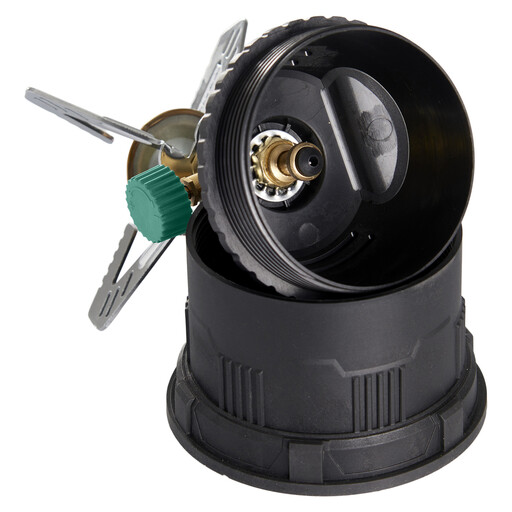
Compact Portable Gas Stove for Hiking, Camping and Picnics
Why This Fits Their Persona: This model is a straightforward and cost-effective solution for occasional outdoor activities. It's easy to use and ideal for those who need a reliable stove for the basics without investing in a complex system.
The wide base and direct mounting onto the gas canister provide a more stable footing than many ultralight screw-on burners, minimising the risk of tipping.
Easy Operation: Infinitely adjustable flame for precise heat control. Low Weight: At just 0.495 kg, it's easy to transport.
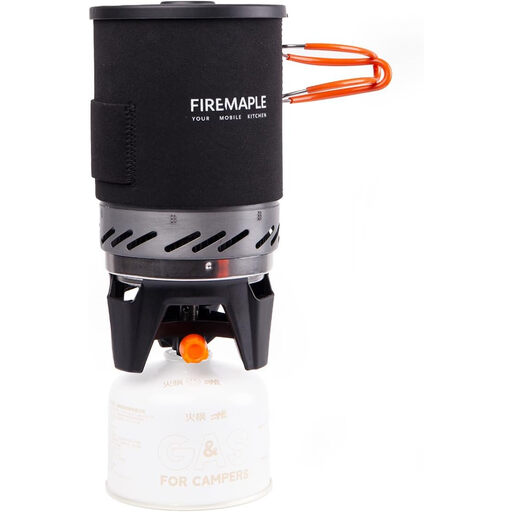
Fire Maple Fixed Star Economic Cooking System for Solo Travellers
Why This Fits Their Persona: For trekking and backpacking trips where every gram and cubic centimetre counts. This integrated system maximises efficiency and minimises pack size, ideal for preparing dehydrated meals and hot drinks.
The heat exchanger technology counteracts efficiency loss in windy conditions and reduces gas consumption. It is also compatible with standard screw-on canisters (EN 417).
High Efficiency: The heat exchanger reduces boil time and saves fuel. Compact Design: All components, including a small gas canister, fit inside the 1-litre pot.
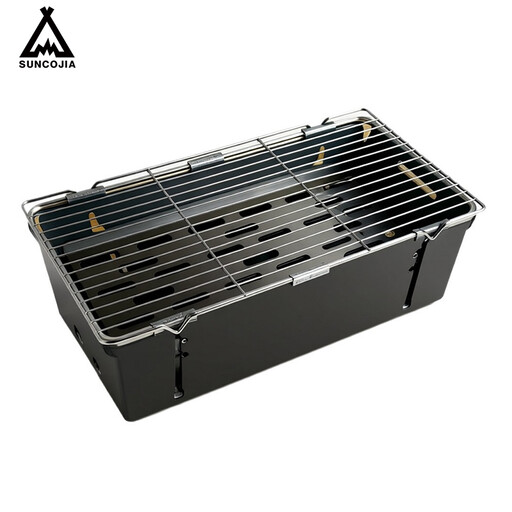
SUNCOJIA Medium Tactical Folding Stove
Why This Fits Their Persona: Ideal for base camp cooking, park picnics, or family barbecues. This model uses wood or charcoal and offers a large cooking surface suitable for grill grates or larger pots.
The thickened carbon steel construction is extremely robust and resistant to deformation. Its wide, flat base ensures maximum stability, even when using heavy cast-iron pans.
Versatile Fuel: Works with wood, charcoal, and other solid fuels. High Stability: The robust construction safely supports even heavy cookware.
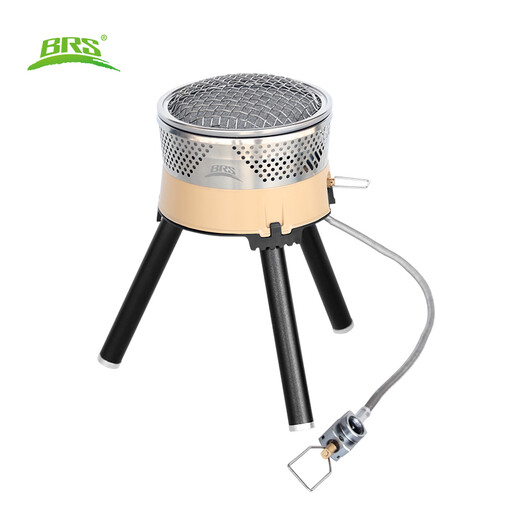
BRS TS19 Reactor Portable Camping Stove, 1900W
Why This Fits Their Persona: For users who need to boil water quickly in all conditions. Its high power and efficient design make it a reliable choice for demanding trips where speed and dependability are critical.
This model focuses on pure efficiency. According to the manufacturer, it boils 1 litre of water in just 3 minutes, which optimises gas consumption despite its high power and reduces its vulnerability to wind.
High Power: 1900W ensures extremely fast boil times. Durable Materials: The stainless steel and aluminium alloy construction is built for longevity.
Looking for more options?
We have compiled a complete, up-to-date list of products that fully meet these strict selection criteria and all applicable safety regulations.
Frequently Asked Questions (FAQ)
1. What is the most practical fuel for a camping stove?
For trips in the UK and most of Europe, gas canisters with an EN-417 screw thread are the most practical choice. They are widely available, easy to handle, burn cleanly, and the flame is easy to regulate.
2. How long does a gas canister last?
The burn time depends on the stove's power, the ambient temperature, wind, and the size of the canister (typically 230g or 450g). As a rough guide, a 230g canister can last a solo user for several days with frugal use (e.g., daily water boiling for meals and coffee). Efficient cooking systems with a heat exchanger noticeably extend the life of a canister.
3. Can I use my camping stove inside a tent?
No, absolutely not. Operating a camping stove in enclosed spaces like tents, awnings, or vehicles is extremely dangerous. Combustion produces carbon monoxide, an odourless and toxic gas that can lead to poisoning. Always operate your stove outdoors or in very well-ventilated areas, and maintain a safe distance from flammable materials.