
Portable camping stove: what really matters with gas stoves, outdoor cookers and barbecues
A portable camping stove should heat water, cook meals or grill food while you’re out and about. In practice, unclear power ratings, unsuitable fuel systems and unstable designs often lead to poor choices. If you’re shopping for camping, trekking, van life or a picnic, don’t just look at the product name or how compact it is when packed.
Typical buying pitfalls with a portable camping stove
1. Wattage without practical context
High power sounds convincing at first. On its own, though, it says little about how easy a stove is to control in everyday use. For coffee or freeze-dried meals, high heat output can be helpful. For slow simmering, precise flame control matters more.
So look for:
- Power in watts or kilowatts
- Details on flame control
- Compatible pot and pan sizes
- Wind protection and stability
- Realistic burn time for the intended use
The figure “1,900 W” describes the maximum output, not automatically the actual consumption or the time to boil in wind and low temperatures.
2. Fuel system and connection are overlooked
A camping stove with gas is only practical if cartridge, valve and connection match. With a portable gas stove, clarify before buying whether butane, propane or another specified gas is used, and whether a cartridge is included.
Some models require an external ignition source. That’s not a hidden flaw, but it should be part of your prep. Cartridges with screw-on or push-fit connections each have different requirements. Use only approved and compatible fuel containers as per the product instructions.
3. Compact doesn’t automatically mean stable
A small backpacking stove fits in your rucksack, but can tip over with large pots or on uneven ground. Check the support area, the pot supports and the position of the fuel. A mobile camping stove for table-top use has different requirements to a minimalist backpacking stove for one person.
With charcoal or gas barbecues, you must also consider heat build-up, ash, and the distance to flammable materials. A camping barbecue may only be used where open fires and barbecuing are permitted.
Key parameters before you buy
Power, burn time and consumption
The heat output should suit the task. Higher figures are useful for rapid boiling. For longer cooking, burn time and consumption matter more. The OUTFIT model in our selection is described with 1.22 kW and a stated burn time of up to four hours. This combination can be relevant for several short cooking sessions on a picnic or camping trip.
The BRS TS19 Reactor is stated at 1,900 W. According to the product description, it should heat one litre of water in three minutes. The actual time may vary depending on pot, water volume, outside temperature and wind.
Weight and packed size
Every gram and centimetre counts for trekking and hikes. According to the product details, the BRS TS19 weighs 0.425 kg and has a packed size of 105 × 85 mm. That makes it a solid option if you want a small outdoor cooker that fits in your rucksack.
A table-top stove with a larger body can be more comfortable to use. For the car, the van or a fixed campsite, weight and packed size are often less important than a wide, stable base and easy-to-reach controls.
Materials and cleaning
Stainless steel and aluminium alloys are commonly used in compact stoves. The OUTFIT model lists steel and plastic; the BRS TS19 uses stainless steel and an aluminium alloy. It’s also crucial that pot supports, the burner area and the grill rack are easy to clean after use.
Gas appliances must be checked for damage and potential leaks before every use. Charcoal barbecues should be completely cooled before removing ash or transporting the unit.
Our picks for different user profiles
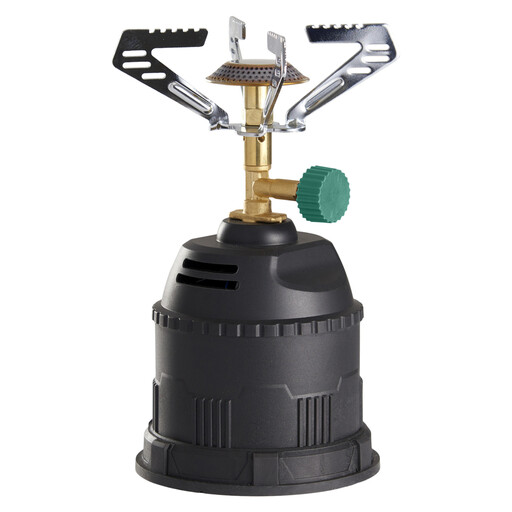
Compact Portable Gas Stove for Hiking, Camping and Picnics, 4-Hour Burn Time, 1.22kW
Why this product fits the profile: This model is designed for hiking, camping and picnics, combining 1.22 kW output with a net weight of 0.495 kg.
The stated burn time of up to four hours makes planning easier. The adjustable flame control supports different cooking tasks.
0.495 kg net weight, compact design and a stated burn time of up to four hours.
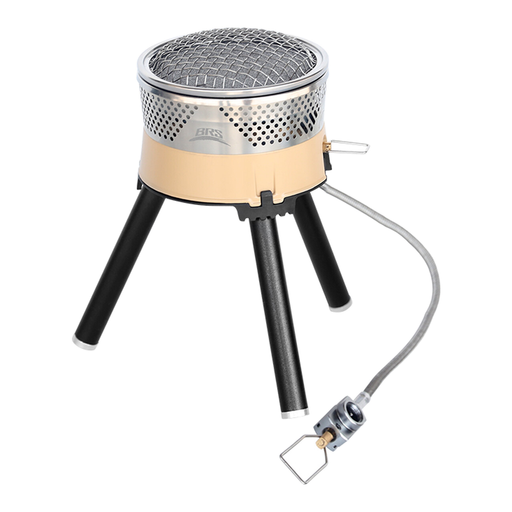
BRS TS19 Reactor Portable Camping Stove, High Power 1900W
Why this product fits the profile: Stainless steel and aluminium alloy, plus the stated 1,900 W output, appeal to buyers who compare materials and technical specs.
Compatibility with butane and propane is explicitly stated. Even so, you must check the cartridge, connections and seals before use.
1,900 W output, 0.425 kg weight and a stated packed size of 105 × 85 mm.
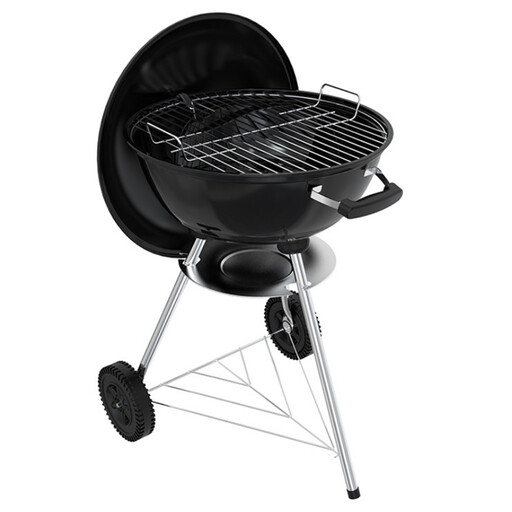
Huacan Apple Stove Charcoal Grill Thickened Large Portable Outdoor Barbecue Stove Home Camping Oven 1 piece
Why this product fits the profile: This portable charcoal barbecue is aimed at people who want to barbecue when camping or picnicking rather than only boil water.
The choice makes the fuel clear: it’s a charcoal barbecue, not a gas stove. That makes it easier to plan ongoing fuel costs and preparation time.
Portable charcoal barbecue concept for outdoor barbecues and camping.
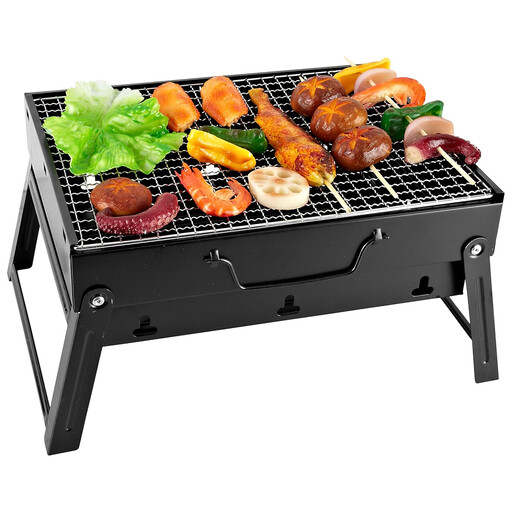
Huacan Outdoor Portable Household Charcoal Barbecue Grill, 1 Piece
Why this product fits the profile: This charcoal barbecue suits users looking for a simple, portable barbecue for outdoor use.
The product type is clearly designated as a charcoal barbecue. Before buying, check the footprint, barbecue rules at your destination and how you will dispose of ash safely.
Compact charcoal barbecue format, designed for mobile outdoor use.
Looking for more options?
We’ve compiled a complete, continuously updated list of products that fully meet these strict selection criteria and the safety regulations applicable in the EU.
Safe set-up and operation
An outdoor cooker and a portable barbecue belong only in well-ventilated outdoor areas. Tents, vehicles, awnings and enclosed spaces are unsuitable due to the risk of carbon monoxide. Before lighting, you should:
- place the appliance on a level, non-combustible surface,
- check the fuel connection is secure and for any visible damage,
- keep flammable items at a safe distance,
- have a suitable ignition source ready if there is no integrated ignition,
- never leave the stove unattended during use.
After cooking, close the valve fully. The appliance must cool down completely before cleaning, changing cartridges and transport. For a charcoal barbecue, also note: only dispose of embers and ash when no heat remains.
FAQ on portable camping stoves
How much power should a portable camping stove have?
For single cups, boiling water and simple meals, around 1,000 to 1,500 W can be sufficient. Higher values shorten heat-up time under suitable conditions, but do not automatically improve everyday usability. A controllable flame and a stable base are just as important.
How long does a gas cartridge last when camping?
Runtime depends on output, flame strength, weather, pot size and cartridge volume. A stated burn time such as “up to four hours” should therefore be understood as a manufacturer or product figure under certain conditions. For longer trips, it’s advisable to carry an additional compatible cartridge.
Can I use a camping stove in a tent or in a van?
No. Gas and charcoal appliances should only be used outdoors with adequate ventilation. Even with windows open, small or poorly ventilated areas pose a risk from combustion gases. Also check local rules on open fires and barbecuing.