
Portable camping gas stoves: how to choose one for cooking and grilling outdoors
A portable camping gas stove needs to be more than compact. The right fuel connection, a stable base and safe use outdoors are just as important. There are significant differences in weight, power and size between a lightweight camping stove for your rucksack and a portable gas grill for the balcony or campsite.
Many unsuitable purchases happen because product images and marketing claims are given more weight than the technical details. Check these three common pitfalls before you buy.
Common pitfalls when buying a camping gas stove
1. Power is judged without considering how you’ll use it
A high wattage or kilowatt rating doesn’t automatically mean a stove is right for your needs. A moderate-power portable gas stove is often enough for boiling water. For grilling on a larger cast-iron surface, however, multiple burners and even heat distribution are important.
So look out for:
- Power range in watts or kilowatts
- Number of burners
- Whether the flame can be adjusted continuously
- Size and material of the cooking or grilling surface
2. Connections and fuel are overlooked
A gas stove may be compatible with screw-on canisters, butane canisters or propane and butane-propane blends. These systems aren’t interchangeable. A gas stove with an adapter may support several types of connection, as long as the correct adapter is actually included and intended for the fuel in question.
Check the following before you buy:
- Thread and canister type, for example 7/16-inch thread to EN 417
- Whether an adapter, pressure regulator and hose are included
- Whether the gas canister is included
- The manufacturer’s guidance on permitted fuel types
The BRS model specifically states that the gas canister must be purchased separately.
3. Compact dimensions don’t always mean it’s light to carry
A camping stove with a carry bag is easier to pack away, but the bag tells you little about the stove’s actual weight. Every extra gram counts when you’re hiking or backpacking. A grill with a lid, cast-iron grill and side tables is better suited to the car, campsite or balcony.
The location matters too: a windproof gas stove can shield the flame more effectively when conditions change. Even so, always place the appliance on a level, heat-resistant and stable surface.
The key things to consider
Choose power to suit how you’ll use it
For individual meals, coffee or boiling water, a lightweight stove rated at around 1 to 1.5 kW is often enough. Families, groups and anyone who wants to cook several dishes at once will benefit more from two burners and a larger cooking surface.
Higher power can increase gas consumption. So, when working out running costs, consider not just the kilowatt rating but also the canister size, burn time and how long you’ll use the stove for.
Weight, packed size and stability
A lightweight hiking gas stove should have a low weight, foldable support legs and a compact packed size. The maximum load capacity also matters when you’re using pots and pans. The BRS 11-Series model is rated to support up to 5 kg.
Larger appliances are usually more convenient, but need more room when being transported. A grill measuring 102 × 46 × 38 cm and weighing 12 kg is suitable for the boot of a car, but not for a long walk.
Materials, ignition and cleaning
Stainless steel and aluminium are commonly used for the body. A cast-iron surface can retain and distribute heat, but is heavier than thin steel or aluminium grills. Piezo ignition makes lighting the stove easier without a separate lighter, but check that it works before each use.
Removable drip trays and easy-to-reach burner areas make cleaning simpler. Let the appliance cool completely before cleaning, folding or transporting it.
Recommendations for different types of user
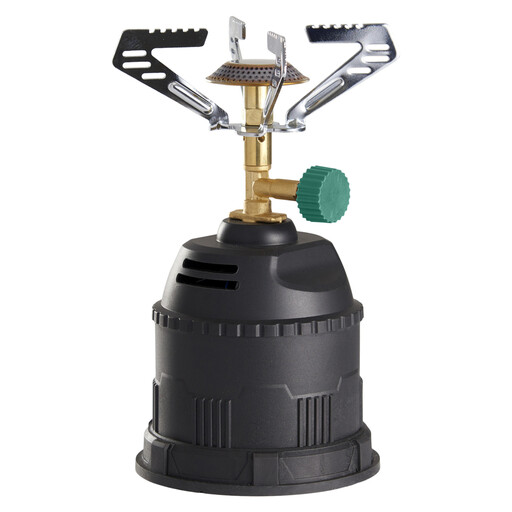
Compact Portable Gas Stove for Hiking, Camping and Picnics, 4-Hour Burn Time, 1.22kW
Why this product suits this type of user: Weighing 0.495 kg net and offering a stated burn time of up to 4 hours, this outdoor gas stove is suitable for picnics, short camping trips and cooking on the go.
The technical details give the power, weight and burn time, making it easier to compare the stove with your personal transport and cooking needs.
1.22 kW power; adjustable flame and compact design with steel and plastic components.
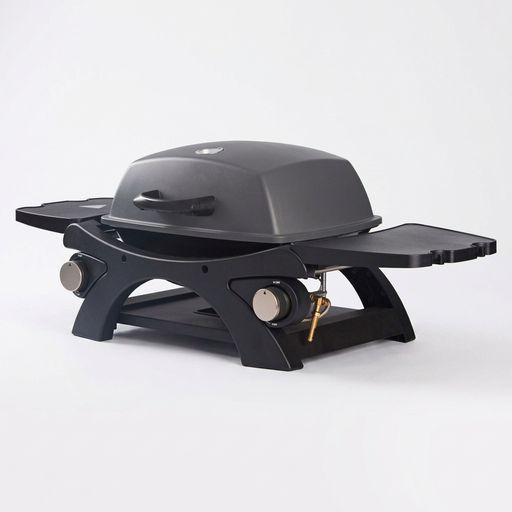
DANGRILL Portable Gas Grill with Detachable Shelves
Why this product suits this type of user: This portable gas grill is aimed at anyone who wants a larger grilling surface for use on the balcony, at the campsite or outdoors.
The removable side tables, built-in thermometer and removable drip tray make it easy to understand what the grill offers and how much cleaning it will need.
Two burners with a total output of 4.2 kW according to the product specifications; cast-iron grilling surface and stainless-steel and aluminium body.
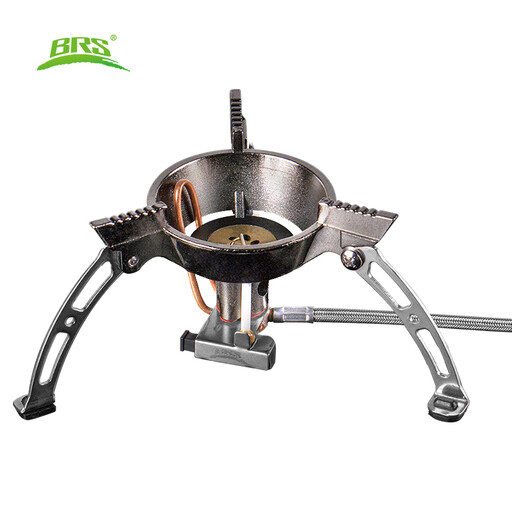
BRS 11-Series Camping Gas Stove with Carry Bag and Multifunctional Adapter
Why this product suits this type of user: Weighing 240 g and featuring foldable support legs, a carry bag and an adapter, this camping stove is designed for hikers, backpackers and festival-goers.
The box contents include a carry bag, mounting base and MAPP gas adapter. Remember that the gas canister is not included.
Adjustable power of up to 3,240 W; compatible with selected EN-417 canisters according to the product details.
Looking for more options?
We’ve put together a complete, regularly updated list of products that meet these strict selection criteria and fully comply with the safety regulations in force in the EU.
Safe use and care
Gas appliances must only be used outdoors and in well-ventilated areas. Tents, vehicles, indoor spaces and other enclosed areas are unsuitable. Before lighting the stove, check that all connections are secure and that there are no leaks.
Also remember to:
- Place the appliance on a level, non-flammable surface
- Keep it at least one metre away from flammable materials, unless the instructions specify otherwise
- Never leave the burner unattended while it’s in use
- Turn off the gas supply after use and let the appliance cool completely
- Check seals, hoses and burners regularly for signs of wear
- Store the stove and canisters in a cool, dry and sheltered place
FAQs about portable camping gas stoves
How long does a gas canister last when camping?
Burn time depends on the power setting, flame adjustment, canister size and wind. There’s no reliable one-size-fits-all estimate in hours. To plan ahead, compare the manufacturer’s stated burn time with how long you expect to cook each day.
Which camping gas stove is best for hiking?
For hiking, low weight, foldable parts, a stable pan support and a suitable carry bag are essential. A 240 g model is generally easier to carry than a gas grill with several burners and a cast-iron surface.
Can you use a portable gas grill on a balcony?
This depends on the building rules, your tenancy agreement and local requirements. You’ll also need to follow the manufacturer’s instructions and ensure there’s enough clearance and a stable place to set it up. Never use a gas grill indoors or beneath an unsuitable shelter.