
Buying Asian Bean Paste: Varieties, Ingredients and the Right Products for Every Dish
If you’re looking to buy Asian bean paste, you’ll find plenty of names in the shops: Chinese bean paste, fermented bean paste, soybean paste, black bean paste or Korean Doenjang paste. However, these products differ significantly in terms of heat, sweetness, salt content, texture and intended use. Choosing the wrong variety can quickly oversalt a dish, make it too sweet, or steer the flavour in an entirely different direction.
Common Pitfalls When Buying
1. Similar Names, Different Flavour Profiles
“Bean paste” is not a single product type. Doubanjiang is usually made from broad beans, chilli and salt, and works well in Sichuan dishes such as Mapo Tofu. Tianmianjiang, on the other hand, is a sweet-and-salty Chinese condiment based on wheat flour and soybeans. For Jajangmyeon, Korean Chunjang is used, while Doenjang is used in soups, stews and marinades. Ssamjang is already seasoned and often combined with chilli, garlic or sesame.
If you simply choose by the term “bean paste”, you could end up buying a sauce that isn’t suitable for the recipe you have in mind.
2. Heat Isn’t Always Obvious at First Glance
A red colour doesn’t automatically indicate a specific level of spiciness. With Pixian Doubanjiang or chilli bean paste, the colour comes from chilli and oil, whereas dark pastes like Chunjang or black bean paste usually offer earthy, sweet or robustly savoury notes. The ingredients list and the specific product description are therefore more important than the picture on the label.
3. Large Pack Sizes Aren’t Practical for Every Household
A 750g or 800g jar can be economical for catering businesses and heavy users. For occasional wok dishes, a smaller pack is often sufficient. Once opened, many products need refrigeration at 0 to 4 °C or should be used within a timeframe specified by the manufacturer. Before buying, households should therefore match pack size, storage instructions and consumption volume.
The Most Important Selection Criteria
Decide on the Recipe and Paste Type First
- Bean paste for Mapo Tofu: Chilli bean paste or Pixian Doubanjiang with fermented beans and chilli.
- Bean paste for wok dishes: Neutral soybean paste or black bean paste, depending on the desired seasoning.
- Bean paste for Jajangmyeon: Korean Chunjang, usually dark in colour with a slightly sweet note.
- Korean Doenjang paste: Suitable for soups, stews, marinades and vegetable dishes.
- Ssamjang: Can be used straight away as a dip for grilled meat, vegetables or salad wraps.
- Sweet bean sauce or Tianmianjiang: Ideal for Peking duck, spring pancakes, Zhajiangmian and sweet-savoury marinades.
Check Ingredients and Allergens
Many products contain soybeans and wheat or gluten. Some recipes also list sesame, peanuts or barley ingredients. For anyone with allergies or intolerances, the full ingredient and allergen labelling is essential.
Additives, sugar and sweeteners also vary. For example, Qiao-Xifu soybean paste contains sweetener; Shinho-Liu-Yue-Xiang Doubanjiang also notes the presence of sweeteners. A similar name therefore doesn’t automatically mean an identical recipe.
Consider Salt Content and Dosage
Fermented bean pastes are often concentrated seasonings. The nutritional information shows significantly different salt levels depending on the product. For instance, LEE KUM KEE Chilli Bean Sauce Toban Djan has 11.3g of salt per 100g, while Juan Cheng Red Oil Pixian Bean Paste is listed at 20g per 100g. Such products should initially be used sparingly. Additional soy sauce or salt can then be added to taste.
For many Chinese pastes, a brief stir-fry in oil is recommended. This releases the aromas before adding vegetables, tofu, meat or liquid. With Chunjang, a short stir-fry is also often recommended to incorporate the paste into the sauce for Jajangmyeon.
Product Selection by Shopping Profile
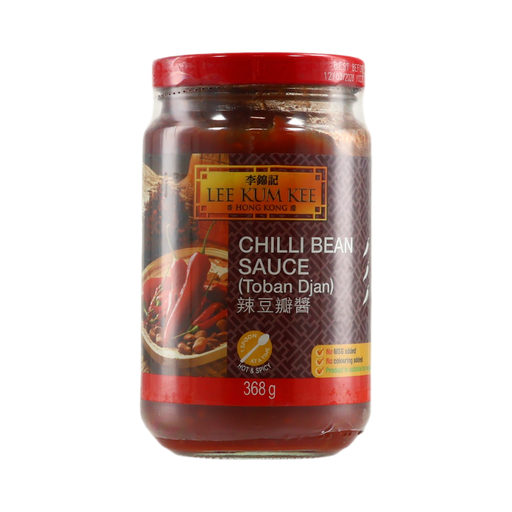
LEE KUM KEE Chilli Bean Sauce Toban Djan 368g
Why this product fits the profile: The 368g pack offers a manageable quantity for your first Mapo Tofu, wok and Sichuan recipes. The paste combines fermented beans with chilli.
The product description explicitly mentions its use for Mapo Tofu and wok dishes. This prevents accidentally choosing a sweet bean paste for a spicy recipe.
368g content, fermented broad beans and chilli; according to product information, refrigerate after opening and consume within one month.
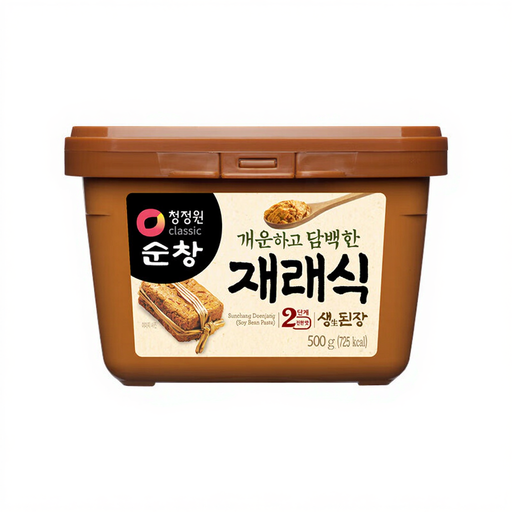
CHUNG JUNG ONE Doenjang Soybean Paste 500g
Why this product fits the profile: If you want to prepare Korean dishes with precision, this Doenjang paste contains fermented soybeans, Meju and Koji according to the product information.
The clear classification as Doenjang prevents confusion with Ssamjang or Chunjang, which have different flavour profiles and uses.
500g content; according to the product description, suitable for soups, stews and marinades, and labelled as containing wheat and soybeans.
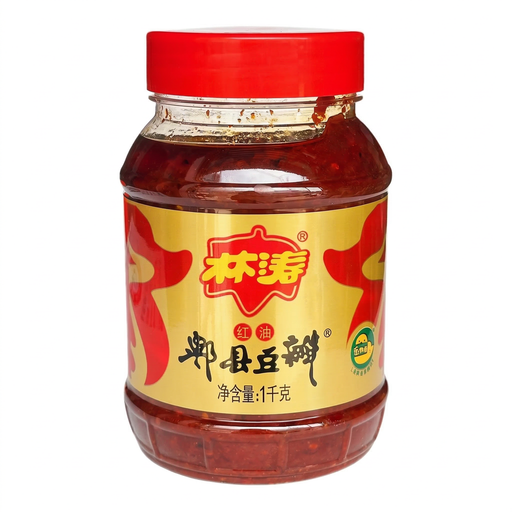
Lintao Pixian Chilli Bean Sauce 750g
Why this product fits the profile: The 750g pack is aimed at households with regular demand as well as catering businesses that use Doubanjiang for wok dishes, hotpot and marinades.
The pack size is clearly stated. Buyers can check in advance whether they have regular consumption and sufficient fridge space.
750g content, fermented broad beans and chilli; according to product information, refrigerate after opening and use a clean utensil to remove.
Looking for more options?
We’ve put together a full, regularly updated list of products that fully meet these strict selection criteria and the safety regulations in force in the EU.
Planning Preparation and Storage Properly
For many Chinese and Korean products, it’s a good idea to briefly fry the paste in a little oil. For Jajangmyeon, Chunjang is usually stir-fried for two to three minutes before adding meat, onions, courgette and liquid. With a black bean paste for steamed fish or ribs, simply stirring it directly into the sauce or marinade is often sufficient.
Unopened jars should be stored in a cool, dry place away from direct sunlight, as per the label. Once opened, follow the manufacturer’s instructions. Using a clean spoon reduces the risk of contamination; for products with a refrigeration note, the jar should then be placed in the fridge.
FAQ on Asian Bean Paste
Which Asian bean paste is suitable for Mapo Tofu?
For Mapo Tofu, a spicy chilli bean paste or Doubanjiang is usually used. It brings fermented beans, chilli and salt to the dish. As the salt content can be high, any additional soy sauce should be added with care.
What is the difference between Doenjang, Ssamjang and Chunjang?
Doenjang is a Korean fermented soybean paste for soups, stews and marinades. Ssamjang is a pre-seasoned paste often served as a dip with grilled meat and vegetables. Chunjang is a dark Korean black bean paste and the typical base for Jajangmyeon.
How long does bean paste last after opening?
This depends on the recipe and brand. Some products should be refrigerated after opening and consumed within a few weeks, while others have different instructions. Always refer to the packaging, storage guidelines and best-before date.