
Thai Curry Paste Guide: Avoid Bland Imitations, Find Authentic Flavour
The search for the right Thai Curry Paste can quickly feel like a journey through a jungle of colourful labels and vague promises. Many products available in Western supermarkets are heavily adapted to local palates and have little in common with the authentic, complex aroma of Thai cuisine. As a Joybuy Product Recommendation Officer, I'll help you navigate the common pitfalls and find a paste that truly suits your cooking needs.
Before you buy curry paste, you should be aware of three common problems:
- The "Authenticity" Trap: Many pastes are advertised as "Thai-style" but contain high amounts of sugar, modified starch, or sunflower oil instead of traditional ingredients. True Thai flavours come from a balanced blend of herbs and spices like galangal, kaffir lime leaves, and lemongrass, not from fillers.
- The Hidden Sugar Trap: A glance at the ingredients list often reveals sugar or glucose syrup among the first few items. This not only masks the delicate spice notes but also quickly turns a savoury curry into an unexpectedly sweet dish.
- The Heat-Level Lottery: The term "hot" is subjective. One paste might be labelled as hot but have barely any kick, while another is unexpectedly intense. The key is the percentage and type of chillies used, which is often only found in the fine print.
What Really Matters When Choosing
To make an informed decision, you should check three core parameters. These will help you objectively evaluate the quality of a Thai Curry Paste and avoid disappointment.
1. The Order of the Ingredients List
The ingredients list is your most reliable compass. Ingredients are listed by weight. For a high-quality green curry paste, fresh green chillies should be the first ingredient, while for a red curry paste, it should be dried red chillies. Look for the presence of essential Thai ingredients:
- Lemongrass: Lends a fresh, citrusy aroma.
- Galangal: A ginger-like spice with a sharper, peppery taste.
- Kaffir Lime Leaves/Peel: Provides a distinctive, intense citrus aroma.
If these components are missing or appear far down the list, it's likely a less authentic product.
2. Shrimp Paste (Kapi): The Umami Factor
Many traditional Thai curry pastes, especially red and Panang varieties, contain shrimp paste (called "Kapi" in Thai). This ingredient delivers a deep, salty umami flavour that is characteristic of many dishes. At the same time, it makes the product unsuitable for those with a shellfish allergy, as well as for vegan or vegetarian diets. Check the ingredients list carefully if you are looking for a vegan curry paste. Fortunately, there are now numerous alternatives that are free from animal products yet still offer a full-bodied flavour.
3. Curry Paste vs. Ready-Made Sauce
It's important to distinguish between a concentrated curry paste and ready-made Thai sauces.
- Curry pastes are highly concentrated seasonings. You only need a small amount, which is typically simmered with coconut milk. They offer maximum control over flavour, heat, and consistency.
- Ready-made sauces (such as sweet chilli sauces or creamy curry sauces in a jar) are already diluted and often sweetened. They are convenient for a quick meal but allow for less creative freedom and frequently contain more sugar and additives. For authentic Thai cooking, a paste is the more solid foundation.
Cooking Picks for Different Needs
Here are some recommendations tailored to different needs and preferences.
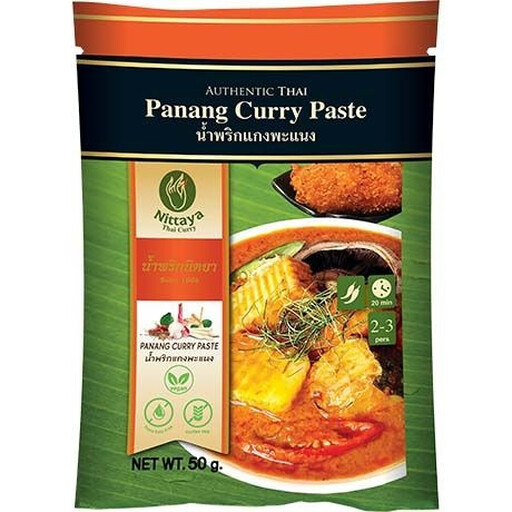
Nittaya Curry Paste Panang Vegan 50g
Why This Fits Their Persona: Ideal for anyone cooking a Thai curry for the first time. The 50g packet is perfect for a single dish, so no leftovers are forgotten in the fridge. The mild, nutty flavour of the Panang Curry Paste is approachable and not overly spicy.
This paste bypasses the "authenticity" trap by relying on traditional ingredients like lemongrass and galangal, despite its vegan formula. The flavour is well-defined and not masked by sugar.
Its vegan recipe makes it versatile. The included peanuts provide the characteristic nutty aroma of a genuine Panang curry.
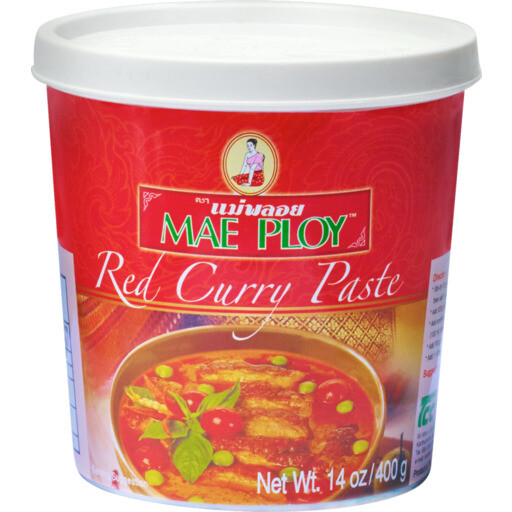
Mae Ploy Red Curry Paste 400g
Why This Fits Their Persona: For cooks seeking the deep, complex, and salty umami flavour of a traditional curry. This red curry paste contains shrimp paste, ensuring an authentic taste experience just like you'd find in Thailand.
The ingredients list is clean and traditional: garlic, dried red chillies, and lemongrass take centre stage. Instead of sugar, the spices and shrimp paste provide the depth of flavour.
The high concentration of spices and the inclusion of shrimp paste create an intense, multi-layered aroma that is difficult to achieve with products lacking this ingredient. The 400g tub is convenient for regular use.
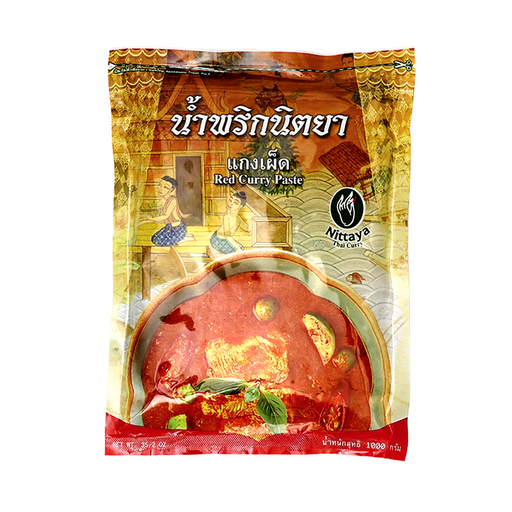
NITTAYA Red Curry Paste 1kg
Why This Fits Their Persona: This 1kg bulk pack is designed for restaurants or home cooks who are regularly cooking Thai food in larger quantities. It offers excellent value for money without compromising on quality.
As a professional-grade product, this paste focuses on high spice density. Dried red chillies (25%) are the first ingredient, guaranteeing a robust heat and colour. You won't find any fillers here.
The economical bulk pack provides an authentic, potent base for numerous dishes. The paste is known for its reliability in professional kitchens.
Looking for More Options?
We have compiled a complete, up-to-date list of products that fully meet these strict selection criteria and UK food regulations.
Frequently Asked Questions (FAQ)
1. How long does Thai curry paste last after opening? Once opened, curry paste should be stored in the refrigerator. Most manufacturers recommend consuming it within a few weeks to a few months. A good indicator is the surface: as long as it retains its colour, doesn't dry out, and shows no signs of mould, it is generally still good. The oil in the paste acts as a natural preservative.
2. How can I identify a truly hot curry paste? The most reliable indicator is the percentage of chillies in the ingredients list. A paste with a 25–33% chilli content (such as the Cock Brand Thai green curry paste) is significantly hotter than one with 10%. Red curry pastes tend to be hotter than yellow ones, while green pastes have a different kind of heat due to the fresh chillies.
3. Can I use curry paste for dishes other than curries? Yes, absolutely. Thai curry paste is extremely versatile. A small amount can be used as a flavour base for soups (like Tom Yum Paste for the soup of the same name), marinades for meat or tofu, in stir-fry dishes, or even to enhance dips and dressings.