
Shoyu Ramen Buyer’s Guide: How to Find the Right Noodles
The search for the perfect Shoyu Ramen can quickly become overwhelming. Between promises of "authentic taste" and long ingredient lists, it's difficult to find products that live up to their claims. Many consumers are disappointed by soggy noodles or a broth that tastes more like salt than a rich ramen soy sauce. This guide will help you avoid the common pitfalls and make an informed choice.
The 3 Most Common Mistakes When Buying Instant Noodles
Before you add your next pack of instant soy sauce noodles to your cart, you should be aware of these common issues that often lead to an unsatisfying flavour experience:
- Misleading "Authenticity" Claims: Many packages advertise with terms like "Japanese" or "traditional." Often, however, the recipe is heavily adapted for Western palates, resulting in an overly sweet or one-dimensionally salty broth. A look at the ingredients list often reveals whether real soy sauce or just flavourings are used.
- Disappointing Noodle Texture: The difference between fried, air-dried, and pre-cooked noodles is enormous but rarely communicated clearly. Fried noodles can quickly take on a soft, almost mushy consistency, while high-quality, non-fried varieties better retain their firm, al dente structure.
- Hidden Sugar and High Sodium Levels: A high salt content is to be expected in instant noodles. More surprising, however, is often the high amount of sugar and flavour enhancers added to mask a lack of quality base ingredients.
What Really Matters: The Key Selection Criteria
To find a good Japanese noodle soup for your home, focus on these three objective features. They are the key to quality and taste.
1. Noodle Type: Fried vs. Non-Fried vs. Pre-Cooked
The type of noodle significantly determines the texture and calorie count.
- Fried Noodles: This is the most common and budget-friendly option. The noodles are deep-fried before packaging to preserve them and shorten the cooking time. However, this leads to a higher fat content and a softer texture.
- Non-fried Noodles (air-dried): These noodles are slowly dried at low temperatures. The process is more elaborate but preserves a firm, al dente texture that comes closer to that of fresh ramen noodles. They are often found in premium products like the Nissin Ramen from the RAOH series.
- Pre-cooked Noodles: This category mainly includes Udon noodles or special low-calorie noodles made from konjac. They are vacuum-packed and only need to be heated briefly. Udon noodles are thick and soft, while konjac noodles have a very firm, almost rubbery consistency and contain virtually no calories. If you are specifically looking to buy Udon noodles, look for this category.
2. Broth Composition: The Quality of the Soy Sauce
A high-quality shoyu broth is based on real, brewed ramen soy sauce. Pay attention to the ingredients list:
- Good Indicators:Soy sauce (from soybeans, wheat, salt) should be high up on the list. Ingredients like chicken extract, yeast extract, or kombu (seaweed) indicate a more complex flavour depth (umami).
- Red Flags: If terms like "flavouring," "hydrolysed vegetable protein," or "sugar" are listed before the actual soy sauce, the broth is likely less authentic and based primarily on artificial flavourings.
3. Dietary Suitability: Vegan, Low-Calorie, or Allergen-Free
The market increasingly offers options for special dietary needs.
- Vegan Ramen: Carefully check the ingredients list for animal products like chicken fat, milk powder, or fish extracts. There are dedicated vegan ramen options that use purely plant-based ingredients for the broth.
- Low-Calorie Noodles: For a low-carb or keto diet, noodles made from konjac flour (glucomannan) are an excellent choice. These noodles are high in fibre, promote a feeling of fullness, and often contain zero calories.
Top Picks for Different Needs
Here are some recommendations tailored to different needs and preferences.
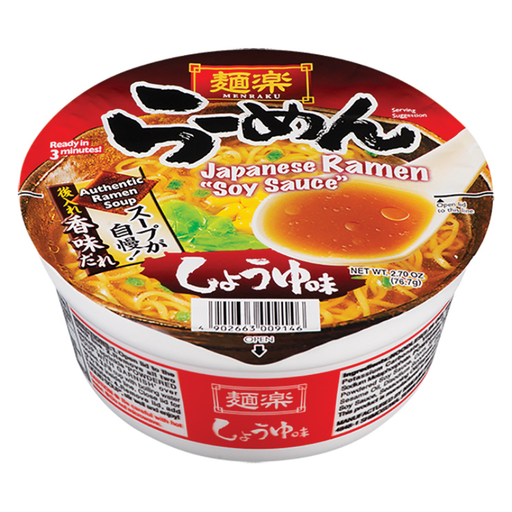
Hikari Miso Menraku Cup Ramen Soy Sauce 76g
Why This Fits Their Persona: Ideal for students or professionals looking for a quick and hassle-free meal with no extra cooking required. Just add hot water, wait a few moments, and enjoy.
The broth is based on real soy sauce, and the fried noodles maintain a pleasant texture in the cup. The ingredient list is transparent, avoiding the "mystery flavour" pitfall.
Maximum convenience thanks to the cup format. Already includes vegetables like cabbage, corn, and spring onions for a more complete meal.
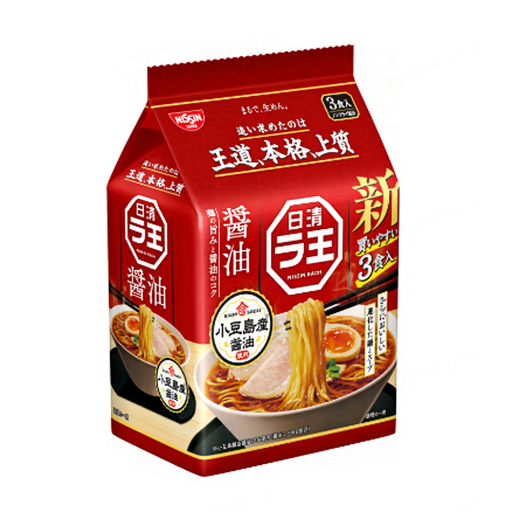
NISSIN RAOH Soy Sauce 3 Servings Pack 273g
Why This Fits Their Persona: For anyone who prioritises the quality and firm bite of the noodles above all else. This ramen offers an experience closer to freshly prepared noodles from a restaurant.
It sidesteps the "soggy noodle" trap by using non-fried, air-dried noodles. The texture is significantly firmer and more elastic than standard instant noodles.
Outstanding noodle quality with an authentic texture. The broth is complex, containing chicken fat and leek oil for a richer flavour.
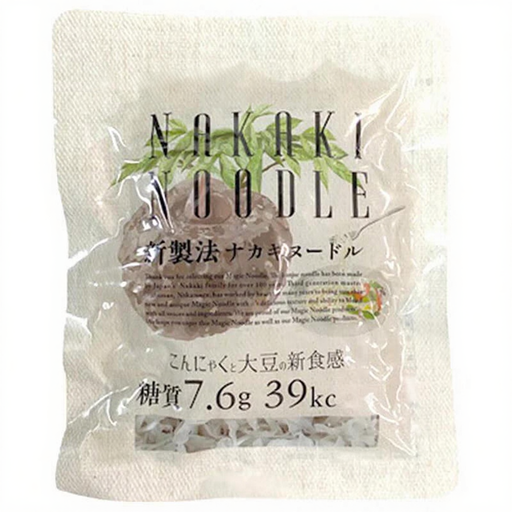
Nakaki 0kcal Konjac & Soy Noodle 180g
Why This Fits Their Persona: Perfect for those following a keto diet, reducing their sugar intake, or simply looking for an extremely low-calorie noodle alternative without sacrificing the noodle meal experience.
This product completely bypasses the trap of hidden sugar and high calories. According to the manufacturer, it contains 0 kcal and 0g of sugar, making it a transparent choice for the diet-conscious.
Extremely low in calories and carbs. The noodles are pre-cooked and only need to be rinsed and heated, making preparation very fast.
Looking for More Options?
We've compiled a complete, up-to-date list of products that fully meet these strict selection criteria.
Frequently Asked Questions (FAQ)
1. What is the difference between Shoyu Ramen and other types of ramen? Shoyu Ramen is characterized by a clear, brownish broth where soy sauce is the primary flavour base. In contrast, Miso Ramen is based on a fermented soybean paste, resulting in a cloudier and more robust broth. Tonkotsu Ramen is simmered for hours from pork bones and has a milky-white, rich, and creamy consistency. Shio Ramen (salt) has the clearest and lightest broth.
2. Can you make instant ramen healthier? Yes. A simple method is to use only half of the included seasoning packet to reduce the sodium content. Enhance the soup with fresh ingredients like steamed vegetables (e.g., bok choy, spinach), a soft-boiled egg, thin slices of chicken breast, or tofu. This increases the nutritional value and makes the meal more balanced.
3. Are udon noodles a good alternative to ramen? Udon noodles are an excellent alternative if you prefer a different texture. They are significantly thicker, softer, and have a "chewier" bite than the thin, wavy ramen noodles. While ramen is typically served in a soup, udon noodles are also great for stir-fry dishes (Yaki Udon). If you are specifically looking to buy Udon noodles, you will often find pre-cooked, vacuum-sealed varieties that are very quick to prepare.