
Shoyu Ramen Buyer's Guide: Avoid Bland Broth and Mushy Noodles
The search for an authentic bowl of Shoyu Ramen to enjoy at home can quickly become overwhelming. The market is vast, but not every product delivers on its packaging's promise. Many buyers are disappointed by watery broths or noodles that lose their texture. Before you make a decision, it's helpful to know the most common pitfalls that lead to an unsatisfying flavour experience.
- The 'Authentic' Marketing Trap: Many products use terms like "authentic" or "Japanese-style," but a glance at the ingredients often reveals a simple base of salt, sugar, and artificial flavourings. The flavour complexity of a genuine, deep ramen with soy sauce is frequently missing.
- The Weak Soup Base: The heart of any ramen is its broth. In low-quality instant products, the seasoning powder consists mainly of flavour enhancers and salt. The result is a one-dimensional saltiness without the rich umami taste that defines a good shoyu broth.
- The Noodle Disappointment: The texture of the noodles is crucial. All too often, fried noodles are used, which quickly turn mushy after cooking and leave an oily aftertaste. This is a stark contrast to the firm, elastic noodles you know from ramen restaurants.
What Really Matters When Choosing
To avoid these problems, you should focus on a few objective criteria during your selection. These parameters will help you evaluate a product's quality, independent of its marketing claims.
1. The Composition of the Soup Base
A high-quality ramen soup base is more than just coloured salt water. Pay attention to the order of the ingredients. Soy sauce (Shoyu) should be high on the list. Other indicators of a complex broth include traditional Japanese ingredients such as:
- Kombu (Kelp): Provides natural umami.
- Katsuobushi (Bonito Flakes): Adds a smoky, fishy aroma.
- Shiitake Mushroom Extract: Lends an earthy depth.
- Miso Paste: Can provide additional complexity and umami.
Products that rely on such ingredients typically offer a much more well-rounded and richer flavour experience than those that primarily depend on "flavourings" and "flavour enhancers."
2. The Type and Quality of the Noodles
Noodles make up a large part of the dining experience. There are two basic types when it comes to instant shoyu ramen:
- Fried Noodles: These are fried for preservation. They cook very quickly but can have a softer, sometimes slightly oily texture. They are typical of many cup noodles with soy sauce.
- Non-fried Noodles: These noodles are air-dried. Their preparation often takes a minute or two longer, but they reward you with a firmer, more elastic consistency that is much closer to that of fresh ramen noodles.
For a more authentic feel, non-fried noodles made from high-quality wheat flour are usually the better choice.
3. Flavour Variations and Dietary Options
Not all shoyu ramen is created equal. There are exciting combinations and specialisations that cater to different preferences:
- Tonkotsu Shoyu Ramen: A popular variation that combines the savoury clarity of shoyu broth with the creamy, rich depth of a tonkotsu broth (made from slow-cooked pork bones).
- Yuzu Shoyu Ramen: Here, the classic soy sauce base is enhanced with the juice of the Japanese yuzu citrus fruit. The result is a refreshing, slightly tart note that beautifully complements the savoury broth.
- Vegan Ramen: There are also excellent options for a purely plant-based diet. Here, umami is created using ingredients like mushroom extracts, fermented soy products, roasted garlic oil, and seaweed to create a full-bodied Japanese noodle soup without any animal products.
Top Picks for Every Need
Based on these criteria, we have identified several products that are suitable for different needs and preferences.
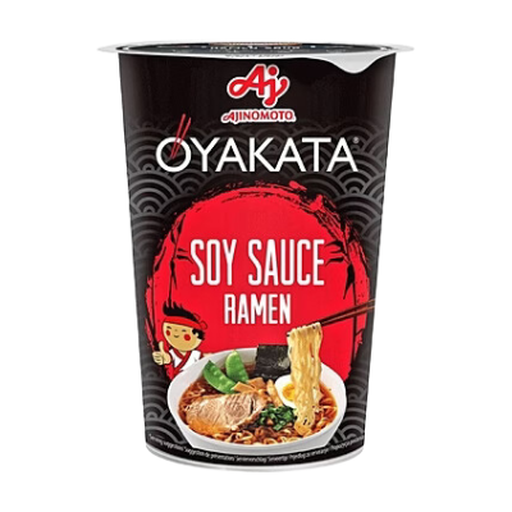
AJINOMOTO Oyakata Ramen Cup Soy Sauce 63g
Why This Fits Their Persona: Ideal for professionals or students looking for a quick, uncomplicated, yet tasty meal for their lunch break or a busy evening. Just add hot water, wait, and enjoy.
The soup base relies on real soy sauce powder and chicken extract instead of just artificial flavourings. This ensures a balanced taste that avoids the one-dimensional saltiness trap.
Maximum convenience with its cup format; ready in 3 minutes. Balanced, classic shoyu flavour.
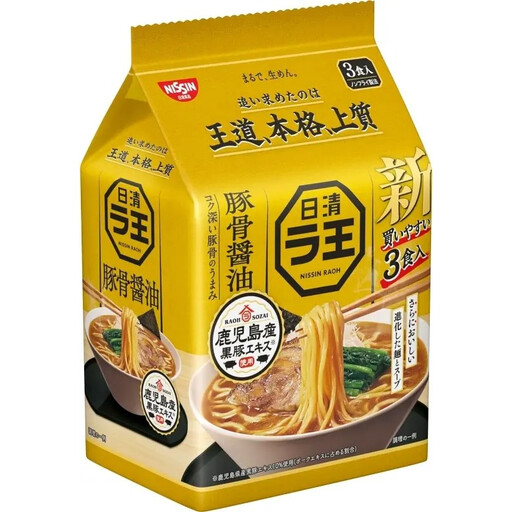
Nissin Raoh Ramen Tonkotsu Soy Sauce Flavour, 279g
Why This Fits Their Persona: For lovers of Japanese cuisine who are willing to spend a few minutes at the stove to achieve a result that comes close to a restaurant's. Perfect for a special dinner at home.
This product uses high-quality, non-fried noodles that retain their firm texture. The complex Tonkotsu-Shoyu broth, with real pork extract and soy sauce, sidesteps the pitfall of a bland broth.
Excellent noodle texture; rich and multi-layered broth. The package contains three servings.
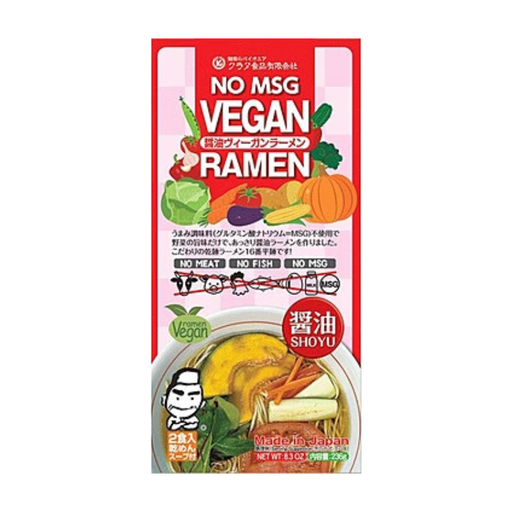
Kurata Shoyu Vegan Ramen 236g
Why This Fits Their Persona: For anyone on a vegan diet who doesn't want to miss out on the deep, complex flavour of a traditional Japanese noodle soup. A complete meal without any animal products.
This product proves that vegan ramen doesn't have to be bland. It avoids the weak broth trap by using hydrolyzed vegetable protein, garlic oil, and concentrated vegetable extracts to create a deep umami flavour.
Purely plant-based ingredients; complex and rich flavour. The noodles are also high-quality and offer a good texture.
Looking for more options?
We have compiled a complete, up-to-date list of products that fully meet these strict selection criteria.
Frequently Asked Questions (FAQ)
How can you properly prepare instant shoyu ramen to enhance its flavour?
Even a simple instant shoyu ramen can be elevated with a few simple touches. Add fresh ingredients to improve texture and taste. Popular additions include a soft-boiled egg (Ajitsuke Tamago), finely chopped spring onions, roasted nori seaweed sheets, bamboo shoots (Menma), or a slice of grilled meat, tofu, or chicken.
What is the difference between Shoyu and Tonkotsu Ramen?
The main difference lies in the broth. Shoyu Ramen is based on soy sauce, resulting in a mostly clear, brownish, savoury broth. Tonkotsu Ramen is made by slow-cooking pork bones for an extended period, which creates a milky-white, creamy, and very rich broth. A popular hybrid is Tonkotsu Shoyu Ramen, which combines the characteristics of both broths.
Are there high-quality vegan shoyu ramen options?
Yes, the market for vegan ramen is growing, and the quality is constantly improving. High-quality vegan versions create the necessary umami flavour through a clever combination of plant-based ingredients. These often include shiitake mushrooms, kombu seaweed, fermented soybean paste (miso), roasted sesame or garlic oil, and various vegetable extracts. This creates a deep and satisfying broth even without animal products.