
Buying Tonkotsu Ramen: A Guide to Choosing Instant Noodles and Soup Bases
Tonkotsu ramen traditionally refers to a rich, usually milky and creamy broth made by simmering pork bones for many hours. With instant products, however, the term often describes a flavour profile. Depending on the recipe, the soup may be based on pork bone extract, flavourings, soy, miso or plant-based ingredients. So if you want to buy Tonkotsu instant noodles, you should not rely solely on the picture of a creamy broth.
Common Pitfalls When Buying Tonkotsu Ramen
1. “Tonkotsu” does not mean the same thing for every product
Some products contain pork bone extract or pork bone powder, while others use seasoning blends and flavourings. Plant-based varieties are also described as Tonkotsu-style, even though they contain no animal ingredients. So check the ingredients list and distinguish between:
- Tonkotsu with stated pork bone or pork extract
- Tonkotsu-style products with flavouring and seasoning components
- Vegan Tonkotsu ramen based on soy, yeast extract, garlic or vegetables
The name alone is not sufficient proof of a particular broth-making process.
2. Portion size and pack contents are easily confused
A cup or bowl portion is ideal for the office, travelling and quick meals. Multipacks, on the other hand, are more practical if Japanese instant ramen regularly features on your menu. Check the net weight per portion, the number of units and whether seasoning oil, vegetables or additional toppings are included.
A product with 80 to 110 g of dry weight cannot automatically be compared with a 5-pack. For price comparisons, the price per 100 g or per portion is more meaningful.
3. Salt content and allergens are often underestimated
Ramen soup bases often contain a lot of salt, as soy sauce, seasoning powder and concentrated flavourings are combined. The nutritional information usually refers to 100 g of dry product and not always to the prepared bowl. Common allergens also include wheat, soy, sesame or celery.
Under food-labelling regulations applicable in Germany, allergens should be clearly highlighted in the ingredients list. If you have any intolerances, the information on the actual packaging is decisive, as recipes and may-contain statements can change.
Key Selection Criteria at a Glance
Broth type and flavour
Hakata ramen is often associated with a light-coloured, robust Tonkotsu style. Kagoshima ramen may place greater emphasis on garlic, chilli, sesame and soy sauce. If you are looking for a mild Japanese noodle soup, choose a classic Tonkotsu variety without chilli. For spicy flavours, Spicy Tonkotsu or Miso Tonkotsu are worth considering.
The consistency of the broth also matters. Powder can be dosed quickly, while a liquid ramen soup base is usually diluted directly. With concentrated products, the stated mixing ratio is important. Marutomo, for example, specifies a ratio of 1:5 to 1:6.
Noodle type and preparation effort
Fried wheat noodles are common in instant ramen and are generally quick to prepare. Air-dried or non-fried noodles may have a different bite and lower fat content, but they are not automatically superior in flavour. The key points are:
- Cooking time and the amount of water required
- Fried, air-dried or non-fried noodles
- Thin ramen noodles or thicker udon noodles
- Individual sachets for soup, oil and vegetables
A cup portion often requires nothing more than boiling water and a few minutes to stand. Packet ramen usually requires a saucepan.
Origin, storage and consumption
The country of origin should be clearly stated on the product page and packaging. The selection includes products from Japan and China. This does not, on its own, say anything about your personal flavour preference, but it can help you identify regional varieties.
Store unopened Asian ready meals in a dry, cool place away from direct sunlight. Opened seasoning or soup bases should be stored according to the manufacturer’s instructions and used promptly. Liquid concentrates often need to be refrigerated after opening.
Our Selection for Different User Profiles
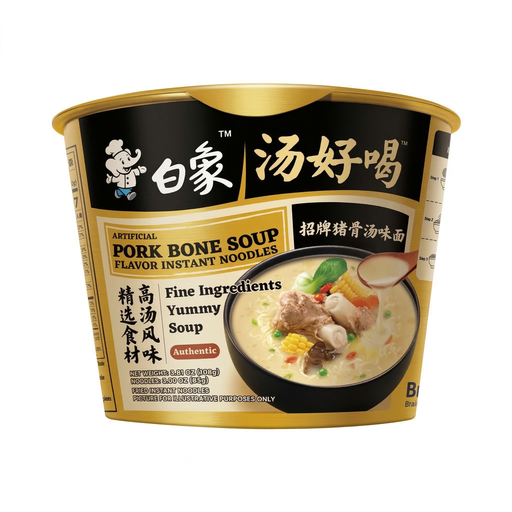
Baixiang Instant Noodles – Pork Bone Soup Flavour (Bowl) 108 g
Why this product suits the profile: The bowl portion can be prepared with hot water and is suitable for anyone trying Tonkotsu or pork bone soup flavours for the first time.
The product states the 108 g net weight, ingredients, allergens and nutritional values per 100 g. This makes it easier to assess the portion before buying.
Bowl packaging, a 108 g portion and a clearly stated pork bone flavour. Country of origin according to the product information: China.
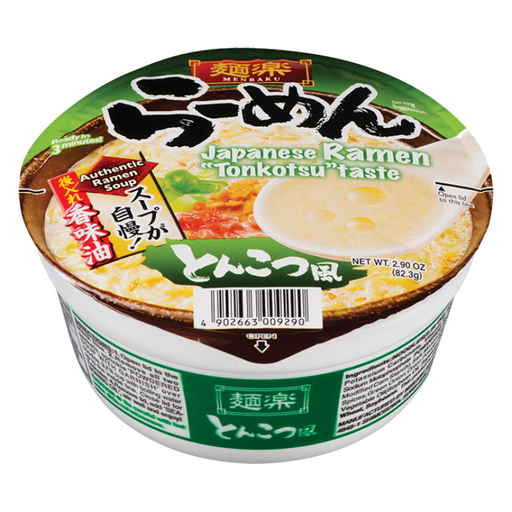
Hikari Miso Menraku Cup Ramen Tonkotsu Taste 82 g
Why this product suits the profile: According to the product description, this cup version combines firm, springy noodles with seasoning oil and toppings such as pickled ginger and spring onions.
The 82 g portion and salt content of 5.1 g per 100 g are stated. The allergens present are wheat, soy and sesame.
Country of origin stated as Japan, cup preparation and separate garlic seasoning oil.
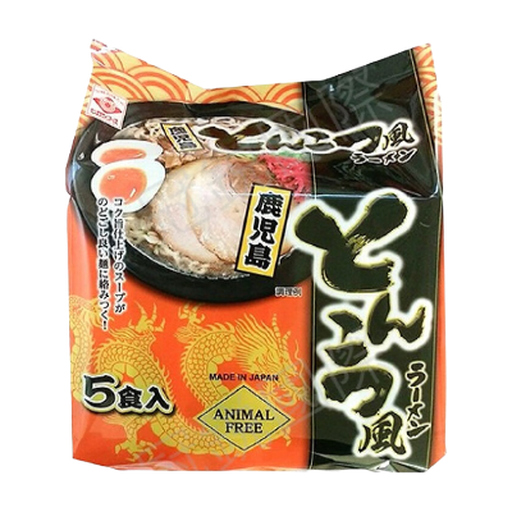
Higashimaru Tonkotsu Kagoshima Ramen, 5 packets
Why this product suits the profile: The 5-pack is designed for several meals and combines Tonkotsu flavour with soy sauce, garlic and ground sesame.
The pack size is clearly stated as five portions. The ingredients and nutritional information list wheat, soy and sesame, among other ingredients, as well as 5.5 g of salt per 100 g.
Multipack, Japan stated as the country of origin and the option to add your own toppings.
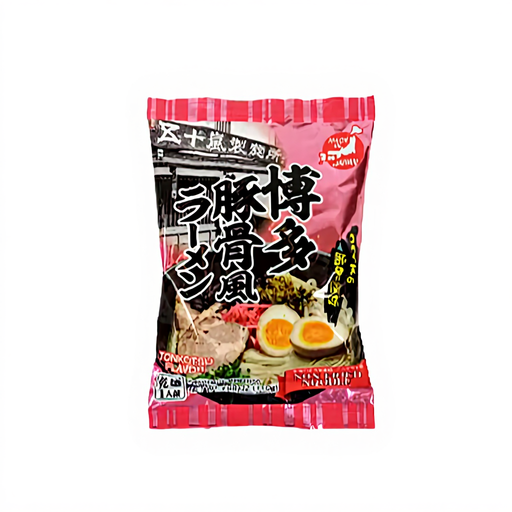
IRAGASHI SEIMEN Plant-Based Tonkotsu Ramen 110 g
Why this product suits the profile: The product information describes a plant-based Hakata Tonkotsu variety with non-fried, slowly dried wheat noodles.
The ingredients list contains no animal ingredients and identifies wheat and soy as allergens. However, these are not gluten-free ramen.
Plant-based recipe according to the product description, a 110 g portion and preparation with 500 ml of water in around five minutes.
Looking for more options?
We have put together a complete, regularly updated list of products that fully meet these strict selection criteria and the safety regulations applicable in the EU.
How to Enhance Tonkotsu Ramen
Most instant ramen can be customised with just a few ingredients. Spring onions, sweetcorn, pak choi, mushrooms, nori or a soft-boiled egg are all good options. Tofu, edamame and extra vegetables work well with vegan Tonkotsu ramen. Start by using the seasoning sachets exactly as instructed, then reduce the quantity to taste if the salt content is particularly high.
A liquid ramen soup base can also be used for udon, rice dishes, tofu hotpot or vegetable stir-fries. Always follow the recommended dilution ratio and storage instructions after opening.
Frequently Asked Questions About Tonkotsu Ramen
What does Tonkotsu mean in instant ramen?
Tonkotsu originally refers to a broth made from pork bones. In instant products, the flavour may be recreated using pork bone extract, spices, flavourings or plant-based ingredients. The ingredients list shows which variety you are buying.
How do you prepare Tonkotsu instant noodles?
This depends on the packaging. Cup and bowl products are usually covered with boiling water and left to stand for a few minutes. Packet ramen is often cooked in around 400 to 550 ml of water. The instructions on the individual packaging are the authoritative guide.
How long do Japanese instant ramen last?
The best-before date is printed on the packaging. Unopened products should be stored in a dry, cool place protected from light. Once opened, they should ideally be consumed promptly. Liquid ramen soup bases should be refrigerated after opening if this is stated on the label.