
Buying a Seafood Mix: A Guide to Avoiding Costly Mistakes
By the Joybuy Product Recommendation Officer, August 29, 2026
A frozen seafood mix can be the key to a quick, Mediterranean meal—whether it's for an aromatic paella, a classic pasta frutti di mare, or a light salad. However, the selection in the frozen food aisle is vast, and not every product delivers the quality you expect. Before you buy a seafood mix, it's crucial to understand the common pitfalls that often lead to culinary disappointment.
Many consumers only discover after thawing that a significant portion of the weight was just a thick layer of ice (the glaze). Others are frustrated by an unbalanced mix that consists mainly of cheap mussels instead of shrimp or squid. These problems can be avoided with an informed look at the product description.
What to Look for Before Buying a Seafood Mix
To ensure you get a high-quality product that meets your culinary expectations, you should check three key parameters. This information is crucial for determining the value and for the final preparation.
1. The Ratio of Drained Weight to Net Weight
One of the most important criteria is the difference between the stated total weight (net weight) and the actual weight of the seafood after thawing (drained weight). While a thick protective glaze of ice is necessary to preserve quality during storage, it shouldn't make up an excessive portion of the total weight.
- Net Weight: The total weight of the frozen product, including the ice glaze.
- Drained Weight: The weight of the pure seafood after being fully and correctly thawed.
Some manufacturers transparently declare the drained weight on the packaging. If this information is missing, a suspiciously low price for a large volume can be a red flag for a high water content.
2. The Composition of the Mix
The term "Fruits de Mer" or "seafood mix" is not standardised. The composition can vary widely. For an authentic dish like seafood for paella or as pasta frutti di mare ingredients, a balanced mix is essential. Pay close attention to the ingredients list to evaluate the ratio of the individual components:
- High-Quality Components: Shrimp, squid rings (calamari), clams (vongole).
- Cheaper Fillers: Mussels, surimi (imitation crab meat).
A good mix should offer a visible variety of high-quality ingredients and not consist primarily of a single, inexpensive type. Products from brands like Klaas Puul Seafood often provide detailed insights into their composition.
3. The Processing State: Raw, Blanched, or Cooked?
A frozen seafood mix can contain raw, blanched (briefly pre-cooked), or fully cooked ingredients. This state directly impacts the preparation time and the final result.
- Raw: Offers maximum flexibility, as you can control the cooking point yourself. However, it requires more attention to avoid a tough result. Ideal for experienced cooks.
- Blanched: The seafood has been briefly cooked in hot water. This significantly shortens the cooking time and helps preserve a tender texture. It only needs to be heated briefly in the sauce or paella.
- Cooked: Ready to use for cold dishes like a seafood salad, which you can buy and prepare directly. For hot dishes, they should only be added at the very end just to heat them through.
Recommendations for Every Profile
Depending on your planned dish and cooking experience, a different type of seafood mix will be a better fit. Here are some options tailored to specific needs.
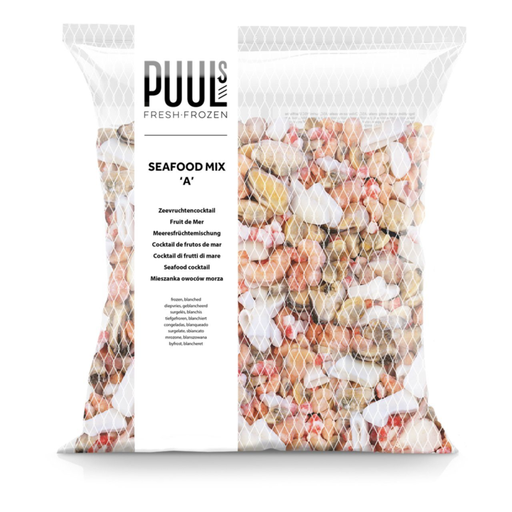
KLAAS PUUL Fruits De Mer A (Klp) 1kg
Why This Fits Their Persona: This raw frozen fruits de mer mix offers maximum control over the cooking process. The 1kg package is ideal for families or preparing multiple meals and contains a classic variety of shrimp, squid, and mussels.
The detailed ingredients list provides a breakdown of the included species (shrimp, squid, mussels, clams, surimi), allowing you to evaluate the composition before buying.
Versatility for various recipes; large quantity for stocking up.
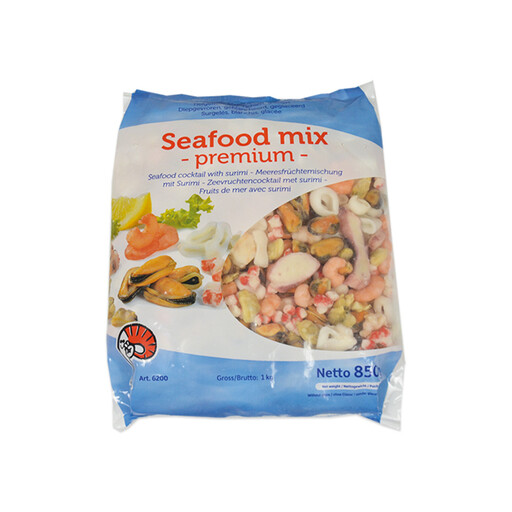
Mooijer Seafood Mix Premium Blanched 1kg
Why This Fits Their Persona: For those who are short on time but don't want to compromise on quality. Since this mix is already blanched, it only requires a very short cooking time of 2–3 minutes. Perfect for a quick pasta or risotto.
Blanching prevents the most common problem when preparing frozen seafood: becoming tough from overcooking. The texture remains tender even with a short preparation time.
Extremely fast preparation; foolproof, tender texture.
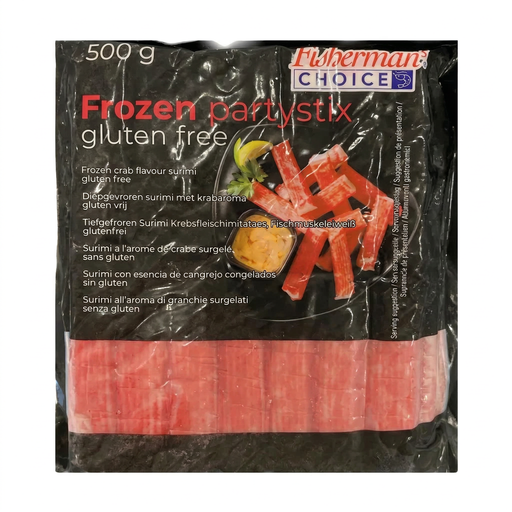
Fisherman's Choice Surimi Crab Sticks 500g
Why This Fits Their Persona: For price-conscious shoppers looking for a versatile ingredient for cold dishes. Surimi sticks are ready to eat immediately after thawing and are excellent as a base for a seafood salad or as an addition to Asian dishes.
Since this is a single-ingredient product, there's no disappointment over an unbalanced mix. You get exactly what you see—a cost-effective and convenient seafood alternative.
Excellent value for money; no cooking preparation needed.
Looking for More Options?
We've compiled a complete, up-to-date list of products that fully meet these strict selection criteria.
Frequently Asked Questions
How do you properly thaw frozen seafood?
The best method is to thaw it slowly in the refrigerator for several hours or overnight. To do this, place the frozen mix in a bowl to catch the meltwater. If you're in a hurry, you can place the seafood in a sealed bag and submerge it in cold water for 10–20 minutes. Avoid thawing at room temperature or in the microwave, as this can compromise the texture and encourage bacterial growth.
Can you use a seafood mix for a seafood salad?
Yes, they are perfect for it. It's best to use a pre-cooked or blanched mix. After thawing, briefly rinse the seafood, pat it dry, and toss with a dressing of lemon juice, olive oil, herbs, garlic, and your choice of vegetables. If you're using a raw mix, you must first cook it briefly (about 3–5 minutes in boiling salted water) and allow it to cool completely.
How can I recognise good quality in frozen seafood?
Look for individually quick-frozen (IQF) pieces that are not frozen together in a large block of ice. This indicates that the cold chain has not been broken. The seafood should have a natural colour and be free of ice crystals or freezer burn (white, dry spots). A transparent declaration of the drained weight is also a positive sign.