
Buy Seafood Online in 2026: A Guide to Choosing Seafood Mixes, Shrimp and Squid
Anyone looking to buy seafood online will quickly find a broad selection of seafood mixes, shrimp, mussels and squid. Product images alone, however, do not reveal whether a pack is suitable for paella, pasta, hotpot or a crispy snack. The key factors are the ingredients, level of processing, cold-chain handling and actual drained weight.
This buying guide from the Joybuy Product Recommendation Officer helps you assess marketing language and choose suitable products for different cooking preferences.
Common Pitfalls When Buying Seafood Online
1. “Seafood mix” says little about the actual composition
A seafood mix may contain shrimp, squid, mussels, surimi or fish protein. The proportions vary from one product to another. If you are looking for seafood for paella, for example, check whether the mix actually contains mussels and shrimp or consists largely of squid and surimi.
The ingredients list is therefore more important than the general product name. If you have allergies, pay particular attention to crustaceans, molluscs, fish, wheat, soy and eggs.
2. Raw, blanched and precooked products are easily confused
Frozen seafood is not automatically raw. Blanched or cooked mixes often need only brief reheating. Overcooking can give squid and calamari a tough texture. Raw cuttlefish, on the other hand, requires thorough cooking.
Look for descriptions such as “cooked”, “blanched”, “fully cooked” or “raw”. If the product page and packaging differ, the information on the packaging should always take precedence.
3. Pack weight does not always equal the usable quantity
For products with an ice glaze, water or brine, the net weight may differ from the drained weight. For a meaningful price comparison, consider pack size, drained weight and ingredient proportions together.
The Most Important Buying Criteria
Processing Level and Preparation Time
Blanched or precooked mixes are ideal for quick meals. A seafood mix for pasta usually only needs to be warmed briefly in the sauce. Raw squid or cuttlefish, by contrast, requires different cooking times.
Practical guidance:
- Precooked or blanched: heat briefly to preserve the texture.
- Raw: cook thoroughly and follow the preparation instructions.
- Breaded shrimp: usually fry directly from frozen or prepare in the oven according to the package instructions.
- Fish balls and squid balls: suitable for soups, hotpot, noodle soups or stir-fries; check the cooking time and core temperature.
Cold-Chain Handling and Storage
Frozen seafood should be stored at -18 °C or below. After thawing, keep it refrigerated and use it within the period stated on the packaging. Refreezing should be avoided.
On delivery, the product should ideally still be completely frozen. Damaged packaging, substantial ice formation or partially thawed goods may indicate a disrupted cold chain. In this case, follow the retailer’s delivery policy and do not process the product without careful consideration.
Ingredients, Origin and Allergens
The country of origin and catch area may vary by product. Nordic Seafood Whole Cleaned Cuttlefish, for example, lists the Indian Ocean, FAO 57, as its catch area. Other products are manufactured or processed in the Netherlands, Thailand, Vietnam or China.
Such details are not an automatic measure of quality. They do, however, support a more transparent purchasing decision. Also check whether additives such as acidity regulators, starch, salt or flavour enhancers are included.
Product Selection by Buyer Profile
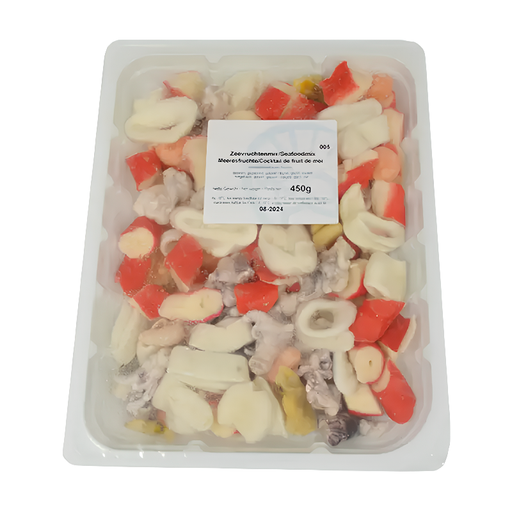
Mooijer-Volendam Seafood Mix Cooked 450 g
Why it fits: This cooked mix is designed for quick salads, soups, stir-fries and pasta dishes. At 450 g, it is well suited to smaller households or anyone trying a seafood mix for the first time.
The processing status is listed as cooked. The ingredients include squid, shrimp, molluscs and surimi made from fish protein.
450 g pack, cooked ingredients and 14 g of protein per 100 g according to the product information.
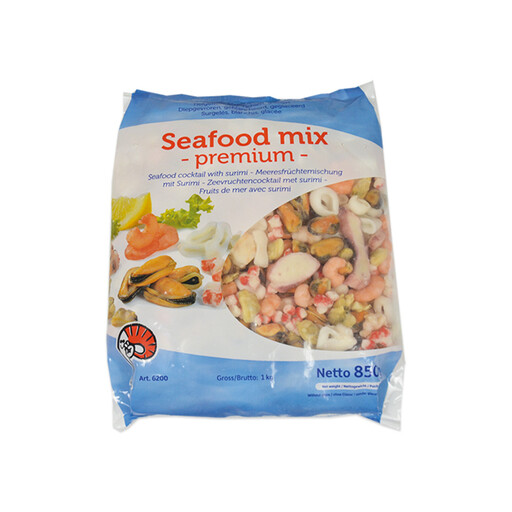
Mooijer Seafood Mix Premium Blanched 1 kg
Why it fits: The 1 kg pack is designed for regular use and works well in paella, frutti di mare pasta, stews and Asian-style stir-fries.
The mix is blanched and, according to the product information, should be cooked in hot dishes for only around 2–3 minutes.
Contains shrimp, squid rings and mussels; 15 g of protein per 100 g according to the product information.
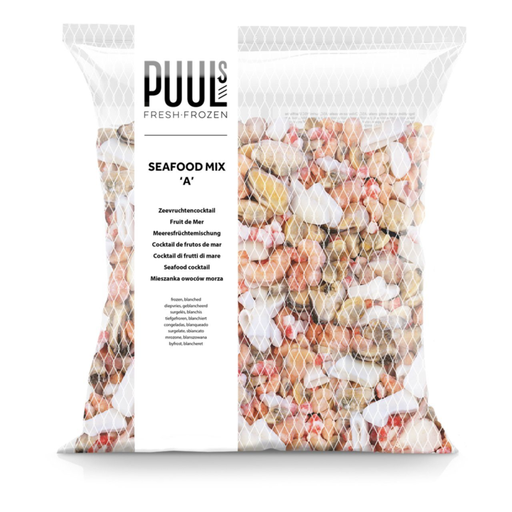
KLAAS PUUL Fruits De Mer A 1 kg
Why it fits: This mix combines shrimp, mussels, squid rings, squid tentacles and surimi for salads, pasta and paella.
The full ingredient list also identifies surimi, wheat and egg. This makes it easier to tailor the choice to allergies and planned recipes.
1 kg pack, 13 g of protein per 100 g and preparation instructions specifying 3–5 minutes in the pan.
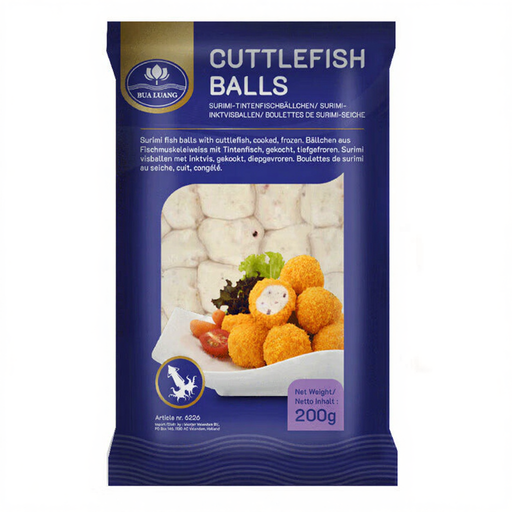
Mooijer Squid Balls 200 g
Why it fits: These precooked squid balls are portioned and designed for soups, noodles, hotpot, stir-fries or deep-frying.
The ingredients list 45% squid along with fish paste. The product is therefore not a pure squid ball.
200 g pack, precooked; according to the product information, heat for 5–7 minutes in water or cook for 3–4 minutes at 170 °C in oil.
Other individual products include Nordic Seafood Whole Cleaned Cuttlefish, AUTHENTIC Cuttlefish Rolls, DoDo Cuttlefish Balls, battered shrimp and shrimp croquettes. For breaded products, also check the wheat content, oil, salt level and preparation instructions for cooking directly from frozen.
FAQ About Buying Seafood Online
How should frozen seafood be thawed?
The most reliable method is to thaw seafood slowly in the refrigerator. Once thawed, it should be prepared promptly and not refrozen. Gently patting it dry before frying can help remove excess moisture.
How long does frozen seafood keep?
When stored continuously at -18 °C or below, shelf life is determined by the best-before date on the packaging. After thawing, the window is considerably shorter—often 24 hours in the refrigerator. The instructions provided by the individual manufacturer always take precedence.
What works best for seafood pasta or paella?
For pasta, precooked or blanched seafood mixes are convenient because they only need to be warmed briefly in the sauce. For paella, mixes containing shrimp and mussels are particularly practical. If you prefer to control the composition yourself, combine individual shrimp, mussels or raw squid instead.